

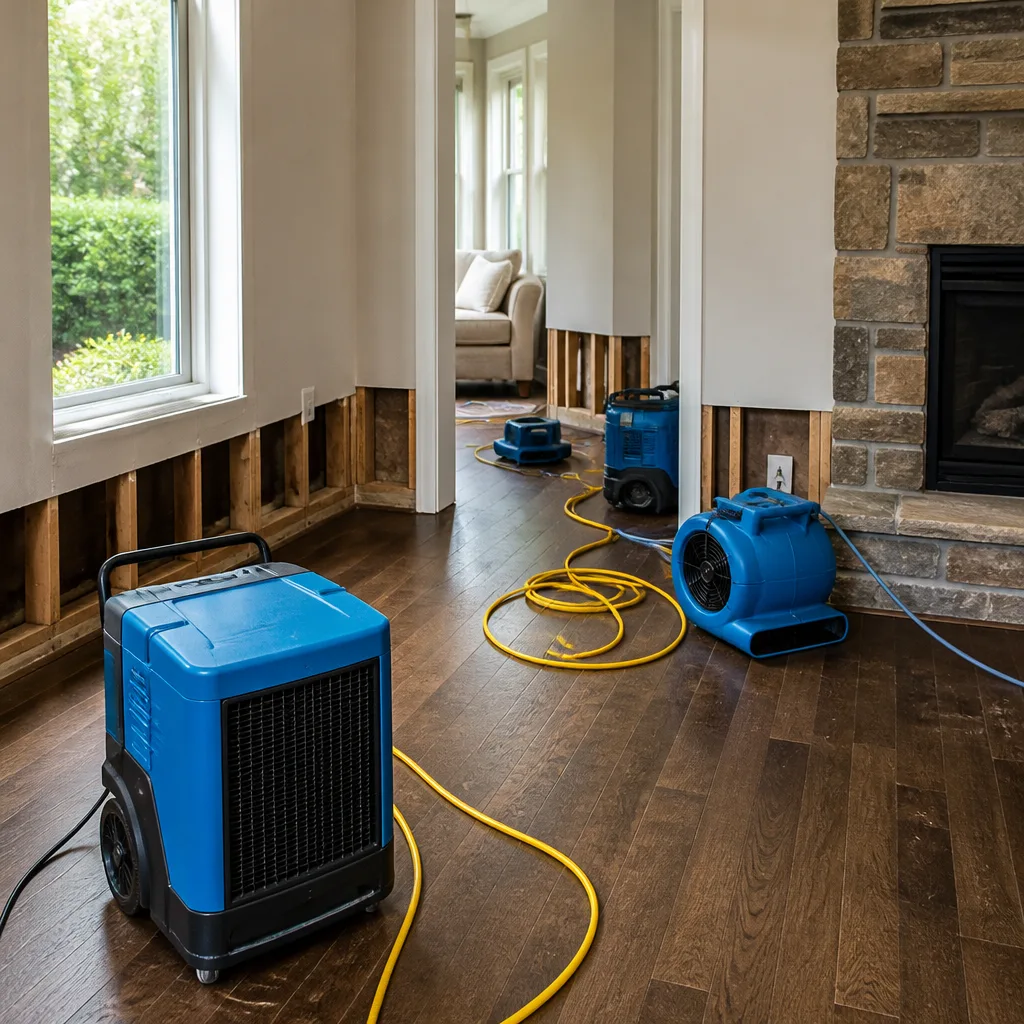
 Water damage drying
 Fire & smoke cleanup
 Mold remediation
 Storm response
 Sewage cleanup
 Reconstruction
Free visual inspection and a written scope of work before any mitigation begins - photos, moisture readings, and drying logs go in your claim file
The scope we write is the scope we bill. Anything new gets shown to you, in writing, before we touch it.
Get your free estimateRestoration work we handle
See the difference
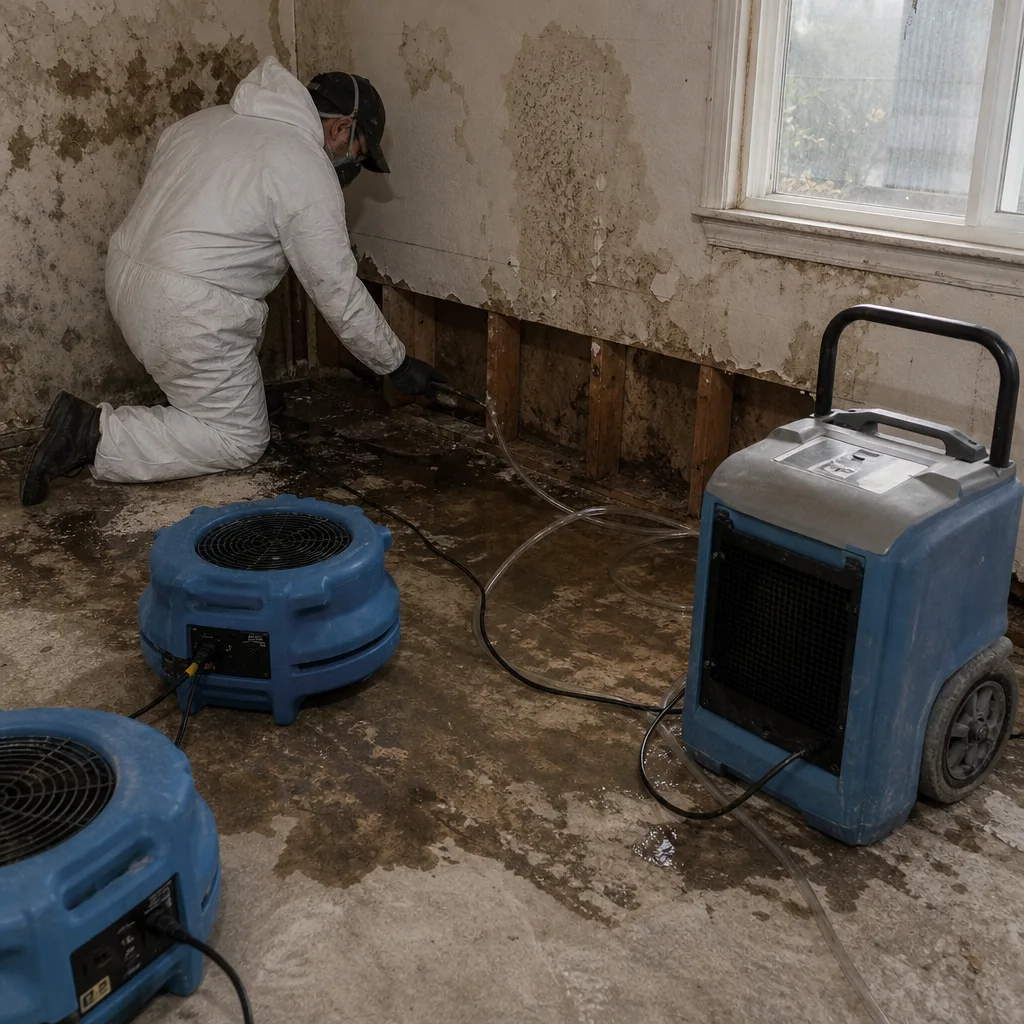 Before
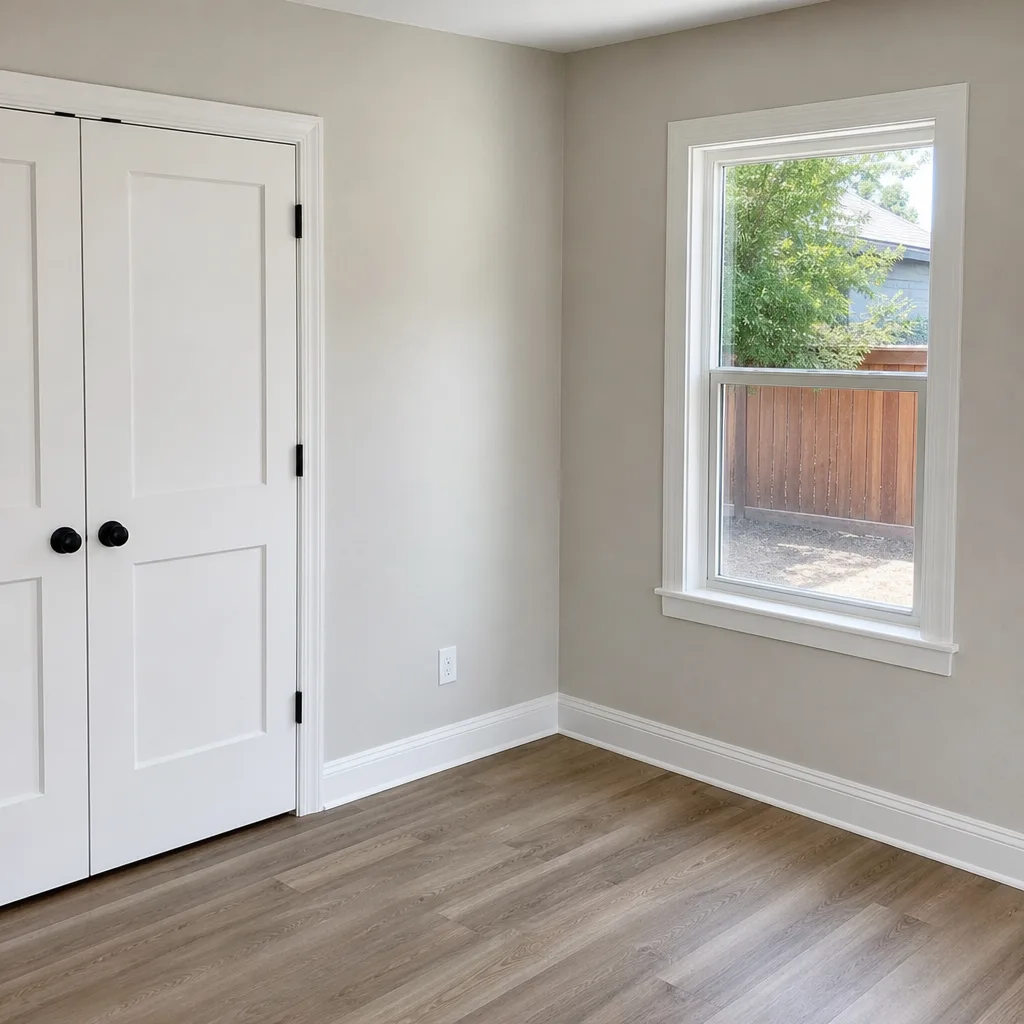 After
After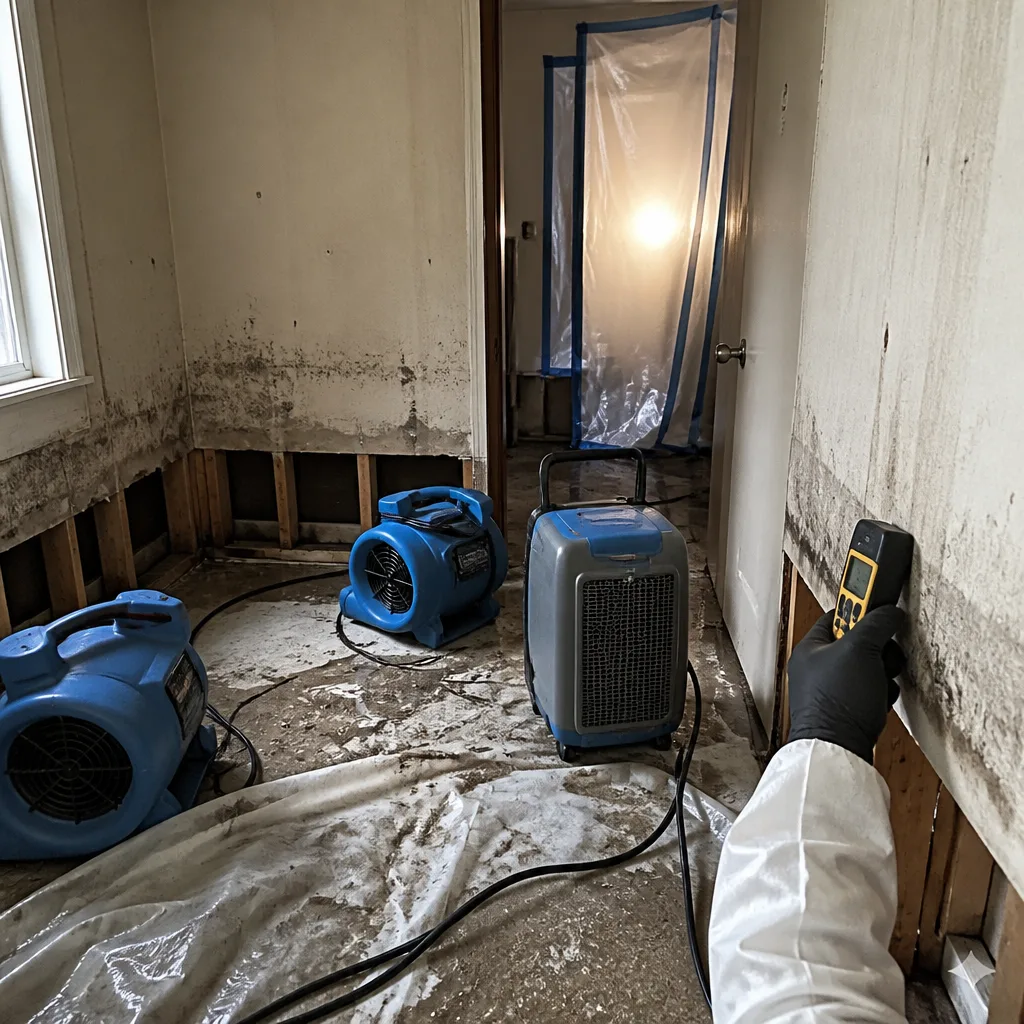 Before
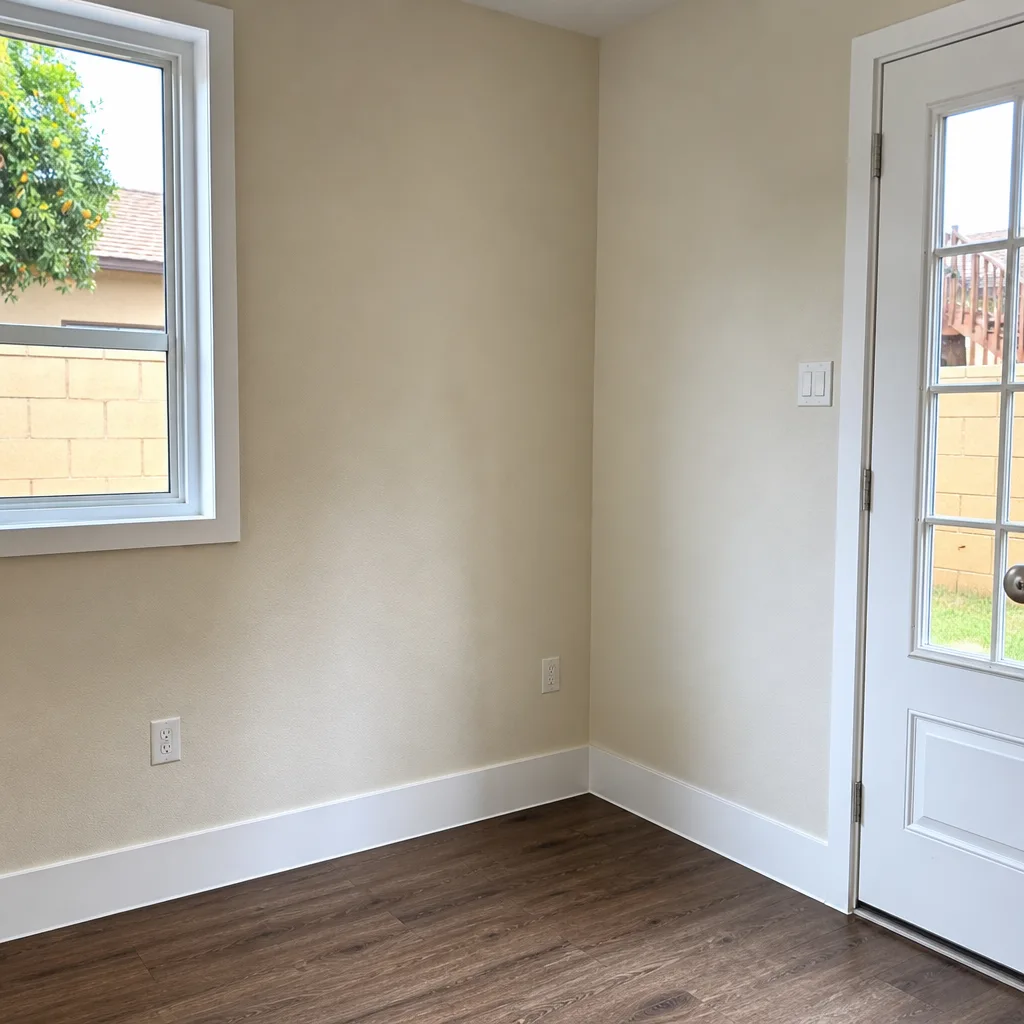 After
After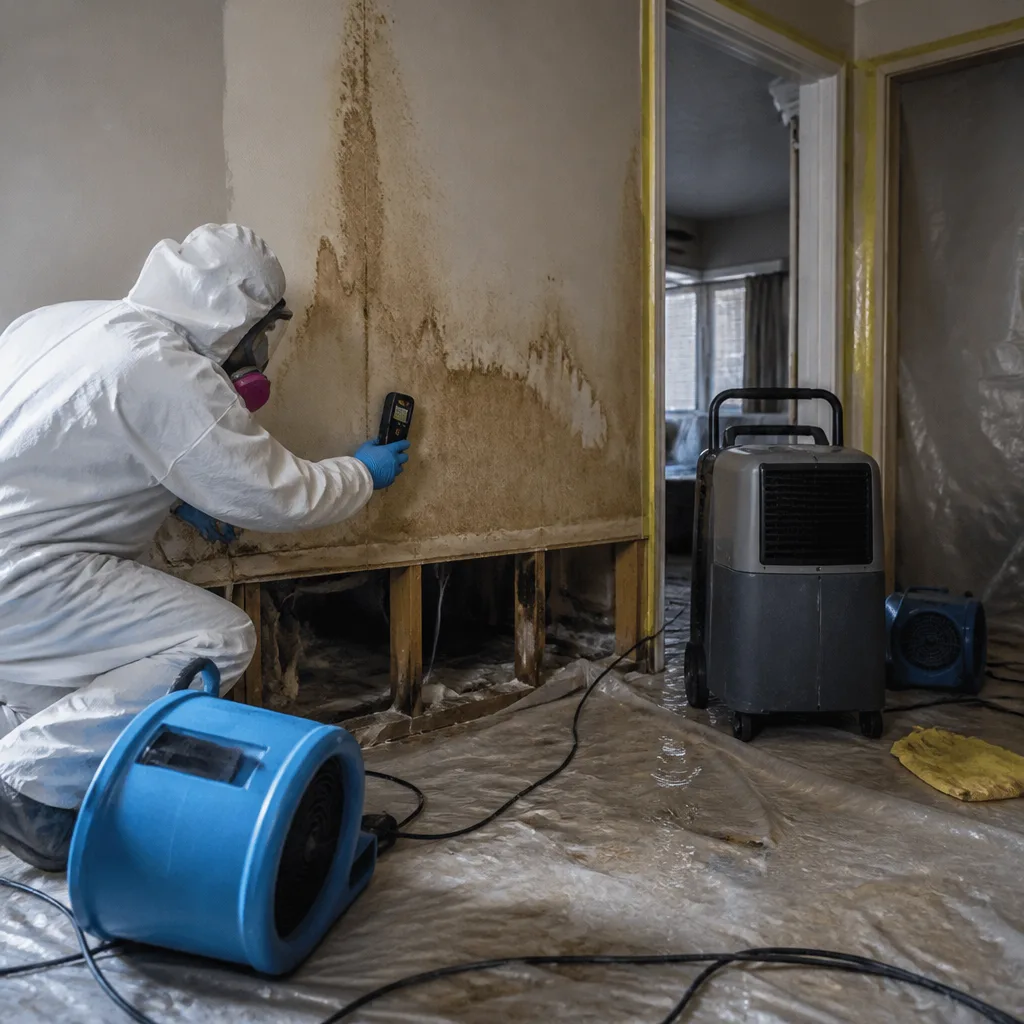 Before
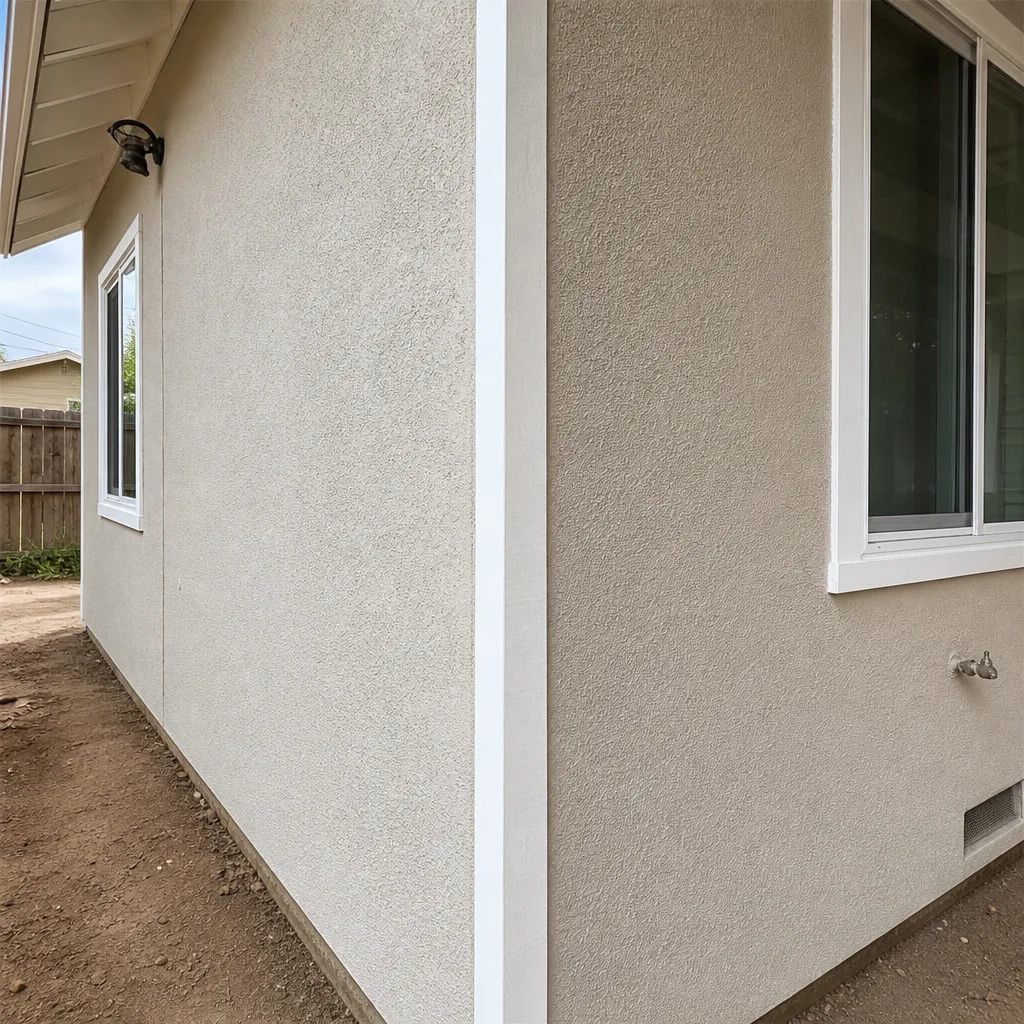 After
AfterHow Much Does Storm & Disaster Restoration Cost in Riverside?
Storm and disaster restoration in Riverside, CA typically runs between $2,800 and $18,500 depending on the scope of damage, with most single-room water intrusion jobs landing in the $3,500 – $7,500 range. That number covers water extraction, structural drying, debris removal, and basic reconstruction. You should expect a written price before any equipment comes off the truck, and a detailed scope that explains exactly where your money goes.
These figures reflect what we see on actual Riverside jobs in 2026, from La Sierra hillside homes dealing with mud intrusion to Arlington Heights properties with wind-driven roof leaks. The final number depends on how far the water traveled, what materials it touched, and whether mold or electrical systems got involved.
Key Takeaways:
- Minor storm cleanup (standing water in one room, wet drywall, no structural damage): $2,800 – $5,500
- Moderate water intrusion (multiple rooms, saturated flooring, baseboards and drywall removal): $5,500 – $11,000
- Major disaster restoration (flooding, roof failure, mud intrusion, mold remediation, rebuild): $11,000 – $18,500+
- Riverside’s local permit requirements and older housing stock affect final numbers
- Free written estimates are standard practice at Tidemark’s Storm & Disaster Restoration team in Riverside, and you should never accept a verbal-only quote
Storm & Disaster Restoration Cost Breakdown (2026)
Here is what a typical restoration job in Riverside actually costs, line by line. These ranges come from jobs we have walked in neighborhoods across the city, from Canyon Crest to Victoria to Mission Grove.
| Service Line Item | Typical Range (Riverside, 2026) | Notes |
|---|---|---|
| Emergency water extraction | $500 – $1,800 | Depends on square footage affected and how long water sat |
| Structural drying (equipment + monitoring) | $1,200 – $4,500 | 3 – 5 days of professional-grade dehumidifiers and air movers, typically Dri-Eaz or Phoenix units |
| Drywall removal & disposal | $800 – $3,200 | Cost climbs if multiple rooms or ceilings are involved |
| Flooring removal (carpet, pad, hardwood, tile) | $700 – $4,000 | Tile removal costs more than carpet; hardwood salvage attempt adds labor |
| Mold remediation (if required) | $1,500 – $8,000 | Riverside’s summer heat accelerates mold growth in damp wall cavities |
| Debris removal & hauling | $400 – $2,500 | Storm debris, ruined materials, and contaminated insulation |
| Content cleaning & pack-out | $600 – $3,500 | Furniture, clothing, and personal items affected by water or soot |
| Structural repairs & rebuild | $1,500 – $12,000 | Framing, subfloor replacement, and finish work |
| Roof tarping / emergency board-up | $300 – $1,200 | Prevents additional water entry before permanent repairs |
What pushes a job toward the top of these ranges? The age of the home, for one. Riverside has a lot of housing stock built between 1950 and 1985, with plaster walls instead of drywall in some older neighborhoods. Plaster holds water differently than drywall, takes longer to dry, and sometimes requires more aggressive demolition. Homes in the Wood Streets area, for example, often have lath-and-plaster construction that complicates drying timelines and adds labor hours.
Access matters too. A single-story ranch in Ramona with a garage-level water heater is straightforward. A two-story home in Orangecrest with water that traveled from an upstairs bathroom through the ceiling into the kitchen below has two affected rooms, ceiling drywall to cut, and possibly cabinet damage. That changes the number quickly.
What Drives the Cost Up
- Water migration into wall cavities and subfloor: If the tide mark on your baseboards says the water climbed higher than it first looked, the affected area expands.
- Category 2 or Category 3 water: River water, mud intrusion, or sewage-tinged storm water means more demolition and sanitizing, not just drying.
- Mold development: In Riverside, where summer temperatures routinely hit the high 90s, a damp wall cavity can show mold within 72 to 96 hours. Remediation adds real cost.
- Electrical involvement: If water reached outlets, panels, or wiring, an electrician gets added to the scope, and the price adjusts accordingly.
- Multiple trades: Roofers, electricians, plumbers, and carpenters all carry their own minimums. A job that touches four trades costs more than one that needs only restoration techs.
What Keeps the Cost Down
- Fast response: Water extracted in the first hours means less demo, less drying time, fewer equipment days. Call (341) 212-7342 the moment you see standing water.
- Contained damage: A leak caught before it crossed a doorway is a one-room job, which is dramatically cheaper than a three-room job.
- Salvageable flooring: Hardwood that hasn’t cupped or buckled can sometimes be dried in place with specialty mats, skipping full replacement.
- Clear access: If the crew can back a truck close to the door and reach the affected area without moving furniture three rooms deep, labor hours drop.
What Affects Storm & Disaster Restoration Pricing in Riverside
Riverside is not like coastal California. The storms here are different, the soil is different, and the homes are older on average than in newer Inland Empire developments to the south. All of that shapes what restoration costs.
- Santa Ana wind events and roof damage: October through January, Riverside gets strong winds that rip off shingles, lift flashing, and drive rain sideways into attic vents. Wind-driven rain creates a specific kind of damage: water above the ceiling that runs down wall cavities and pools in places you can’t see. That’s a harder job to scope than a burst pipe.
- Clay-heavy soil and drainage pressure: Parts of Riverside sit on expansive clay soil. When heavy rain saturates the ground, water pushes against foundation walls and finds its way into lower-level rooms and garages. Homes in La Sierra and the hillside areas above the 91 are especially prone to this after consecutive days of rain.
- Older construction methods: Houses built before the mid-1980s in Riverside often have plaster walls, which are slower to dry and more expensive to patch than modern drywall. They also have less insulation, which means water travels further before stopping.
- Local permit requirements: The City of Riverside requires permits for most structural rebuild work, and some restoration jobs trigger inspections. That adds cost in filing fees and scheduling. It also protects you: the city verifies that rebuilt framing and electrical work meet code.
- Mold pressure from heat: Riverside’s inland heat means that any water left behind is a mold time bomb. This forces a more thorough drying protocol than you would need in a cooler, drier climate. More equipment days. More monitoring visits. More cost, but fewer failed jobs.
- Wildfire-adjacent damage: Parts of Riverside near the Box Springs and Sycamore Canyon areas deal with smoke and ash infiltration alongside water damage during certain seasons. Smoke requires different cleaning chemistry, which adds a per-square-foot cleaning cost to the scope.
Is Storm Damage Covered by Insurance in Riverside?
Most standard homeowners policies in California cover sudden and accidental storm damage, including wind-driven rain, hail, and falling trees. The key word is sudden. Gradual water intrusion, like a leaking roof that has been dripping for months, is often denied as a maintenance issue. Flood damage from rising rivers or mudslides is typically excluded from standard policies and requires separate flood insurance through the National Flood Insurance Program or a private carrier.
Here is what that means for your Riverside claim:
- Document everything before anything moves: Photograph the damage from multiple angles. Include the tide mark on walls, the depth of any standing water, and every affected room.
- Get a written estimate from a restoration company first: Insurance adjusters are more efficient when they can compare their own assessment against a professional line-item scope from a company like Tidemark.
- Mitigation is usually covered: Most policies require you to prevent further damage, which means water extraction and tarping happen quickly, often before the adjuster arrives.
- Ask about matching coverage: Some policies allow you to keep your deductible if a restoration company works directly with your carrier. Others require you to pay upfront and get reimbursed. We walk you through this on every job.
How to Save on Storm & Disaster Restoration
Restoration is not a category where you want to chase the lowest bid. Cheap equipment and rushed drying lead to recurring mold and failed walls. But there are legitimate ways to keep a Riverside storm job from ballooning.
Respond before the water settles in. The single biggest cost driver is time. Water that sits for 24 hours costs more to fix than water that gets extracted in the first three. If you see water coming in, call (341) 212-7342 immediately. We answer with a live person, day or night, and we’ll talk you through what to do in the first minutes before a crew arrives.
Know what your insurance covers before you agree to anything. A 20-minute call with your carrier can clarify whether your policy covers mold remediation, temporary housing if the home becomes uninhabitable, and whether you have a separate wind or flood rider. The more you know on the front end, the easier it is to make decisions about scope.
Ask for a line-item written estimate. Every Tidemark job includes a written price before work starts. No exceptions. That means you see exactly what each phase costs, from extraction to drying to rebuild. If you’re comparing bids from other companies, ask them to match that format. If they won’t, that’s an answer in itself.
Protect what can be protected before the crew arrives. Move small furniture and personal items out of the affected area if you can do so safely. Cover items you can’t move with plastic sheeting. Every item that avoids contamination is an item you don’t pay to clean or replace.
Don’t skip the drying phase. It’s tempting to rush from demolition to rebuild, especially if you’re living in the home. But cutting drying time short is how you end up with mold behind your new drywall, which means paying for the same job twice. The 365-Day Done Right Promise exists for this reason: if something doesn’t hold up, we make it right.
Storm & Disaster Restoration in Riverside: Step-by-Step Process
Here is exactly what happens when you call Tidemark for a storm damage job in Riverside. This is the same process we have used since 2006, refined through hundreds of local storm responses.
- Call (341) 212-7342 and describe what you’re seeing. A live person answers, asks a few questions about the affected area, and schedules a technician visit. If it’s after hours or a weekend, the same number reaches us. No voicemail queue.
- Initial assessment and photo documentation. A background-checked, uniformed technician arrives in a marked vehicle. Shoe covers go on at the door. Drop cloths cover the floor before the first piece of equipment comes in. We document the damage, find the tide mark on walls and baseboards, and map where the water traveled.
- Written estimate delivered on site. Before any work begins, you get a written scope and price. No verbal ranges, no open-ended authorizations. You approve the number, and only then does the work start.
- Water extraction and demolition. Standing water is removed with truck-mounted or portable extraction units. Saturated materials that cannot be dried in place, like wet drywall and soaked carpet pad, are cut out and bagged for disposal.
- Structural drying and daily monitoring. Professional-grade air movers and dehumidifiers from Dri-Eaz, Phoenix, and XPOWER are placed in the affected areas. We return daily to check moisture readings, adjust equipment placement, and track progress against drying goals.
- Cleaning and sanitizing. Affected surfaces are cleaned, sanitized, and treated. For homes with children or pets, we use pet-safe drying agents where there is a choice, and we run equipment on lower-decibel settings during school hours and nap time when possible.
- Rebuild and finish work. Drywall, baseboards, flooring, and paint are restored to match the existing home. In older Riverside neighborhoods, we match plaster textures and original trim profiles where needed.
- Final walk-through and photo documentation. Before the crew leaves, we walk the home with you and show you what was done. A photo of the clean-up is taken and shared, so you see exactly how the space was left.
How Much Does Storm & Disaster Restoration Cost: FAQs
How much does water damage restoration cost in Riverside?
Water damage restoration in Riverside ranges from $2,800 for a contained single-room leak to $18,500 or more for multi-room flooding with structural damage. Most jobs fall between $3,500 and $7,500. Call (341) 212-7342 for a free written estimate specific to your home.
Why is storm damage restoration more expensive in Riverside than in other Inland Empire cities?
Riverside restoration jobs average higher than newer Inland Empire cities because of older housing stock, plaster walls in homes built before 1985, clay-heavy soil that channels water into foundations during heavy rain, and the city’s permit inspection requirements for structural rebuild work. A $3,000 dry-down in a newer home might run $4,500 in a 1960s Riverside ranch with plaster and lath.
Does homeowners insurance cover storm restoration in California?
Most standard California homeowners policies cover sudden storm damage like wind-driven rain, hail, and falling trees. Flooding from rising water or mudslides typically requires separate flood insurance. We help you document the damage and provide the line-item written estimate your adjuster will ask for. Call (341) 212-7342 and we’ll walk you through the claims conversation.
How fast can a storm restoration crew arrive in Riverside?
Tidemark typically responds to storm emergencies in Riverside the same day you call, often within hours for active water intrusion. Our phone line is answered by a live person 24/7 at (341) 212-7342, and crews carry shoe covers, drop cloths, and extraction equipment on every truck.
Is it cheaper to repair or replace storm-damaged flooring?
For carpet and pad, replacement is almost always cheaper than cleaning after Category 2 or Category 3 water contact, typically $3 – $6 per square foot including removal. For hardwood, drying in place with specialty mats runs $5 – $9 per square foot, while full replacement runs $9 – $15 per square foot. A technician can tell you which camp your floors fall into after seeing them in person.
What does storm restoration cost for a single room in Riverside?
A single room with standing water that was caught quickly typically costs $2,800 to $5,500 in Riverside, including extraction, drying equipment, drywall removal, and basic finish work. If the water sat for more than 24 hours or mold developed, the number moves toward the upper end or beyond once remediation enters the scope.
Call Tidemark Water Damage Riverside for a Free Storm Restoration Estimate
If you’re standing in a wet room or looking at a ceiling that’s starting to sag, the most useful thing you can do is call (341) 212-7342. You’ll get a live person, a straight conversation about what you’re seeing, and a technician on the way. You’ll get a written price before any work begins. And you’ll know exactly how the crew will protect your floors, your furniture, and the rest of the house while the affected area gets dried past the tide mark.
Rick Sumner and the team at Tidemark Water Damage Riverside have been restoring storm-damaged homes in this city since 2006. We’re independently owned, we work to the Cedarwell Care Promise, and every job is covered by the 365-Day Done Right Promise. If it’s not done right, we make it right. That’s the whole standard.
Need a number now? Call (341) 212-7342. Our home page has more detail on how we work, or you can read more about our Storm & Disaster Restoration services in Riverside before you call.
Written by Rick Sumner, Owner at Tidemark Water Damage Riverside, serving Riverside since 2006.
Pricing reflects the Riverside market as of 2026. Tidemark Water Damage Riverside offers free estimates – call (341) 212-7342.
What Our Customers Say
"Flooded laundry room. They set up fans but were thoughtful about the noise around the baby's room and moved equipment when I asked. Kind, clean, and they checked in daily."
- Marcus Delacroix"Water heater flooded the garage and part of the hall. The crew treated our home gently, laid protection everywhere, and were kind about how overwhelmed I was. Dried it out properly."
- Daniela Ross"Dishwasher leaked under the floor for a while. They found the hidden moisture, dried it without tearing up more than they had to, and left the kitchen clean and treated. Gentle with the whole process."
- Gary Linden