

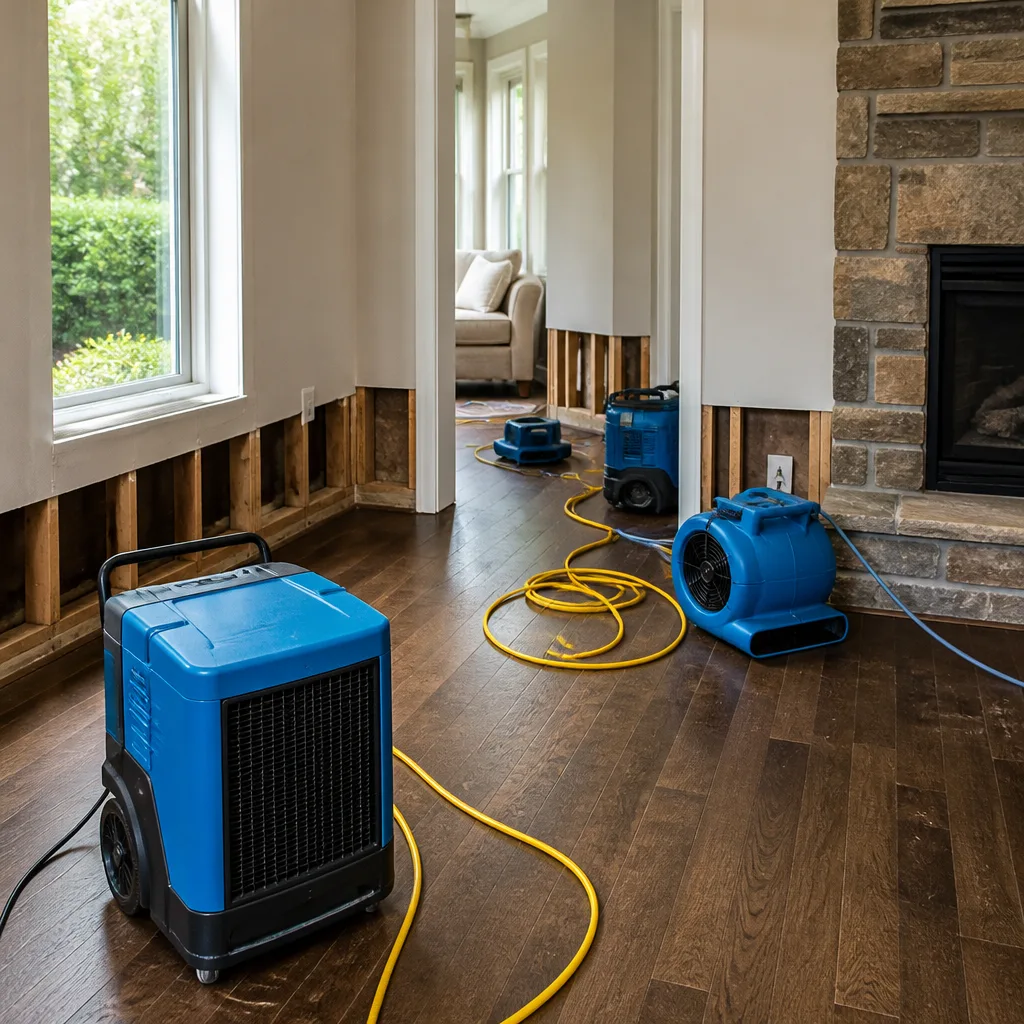
 Water damage drying
 Fire & smoke cleanup
 Mold remediation
 Storm response
 Sewage cleanup
 Reconstruction
Free visual inspection and a written scope of work before any mitigation begins - photos, moisture readings, and drying logs go in your claim file
The scope we write is the scope we bill. Anything new gets shown to you, in writing, before we touch it.
Get your free estimateRestoration work we handle
See the difference
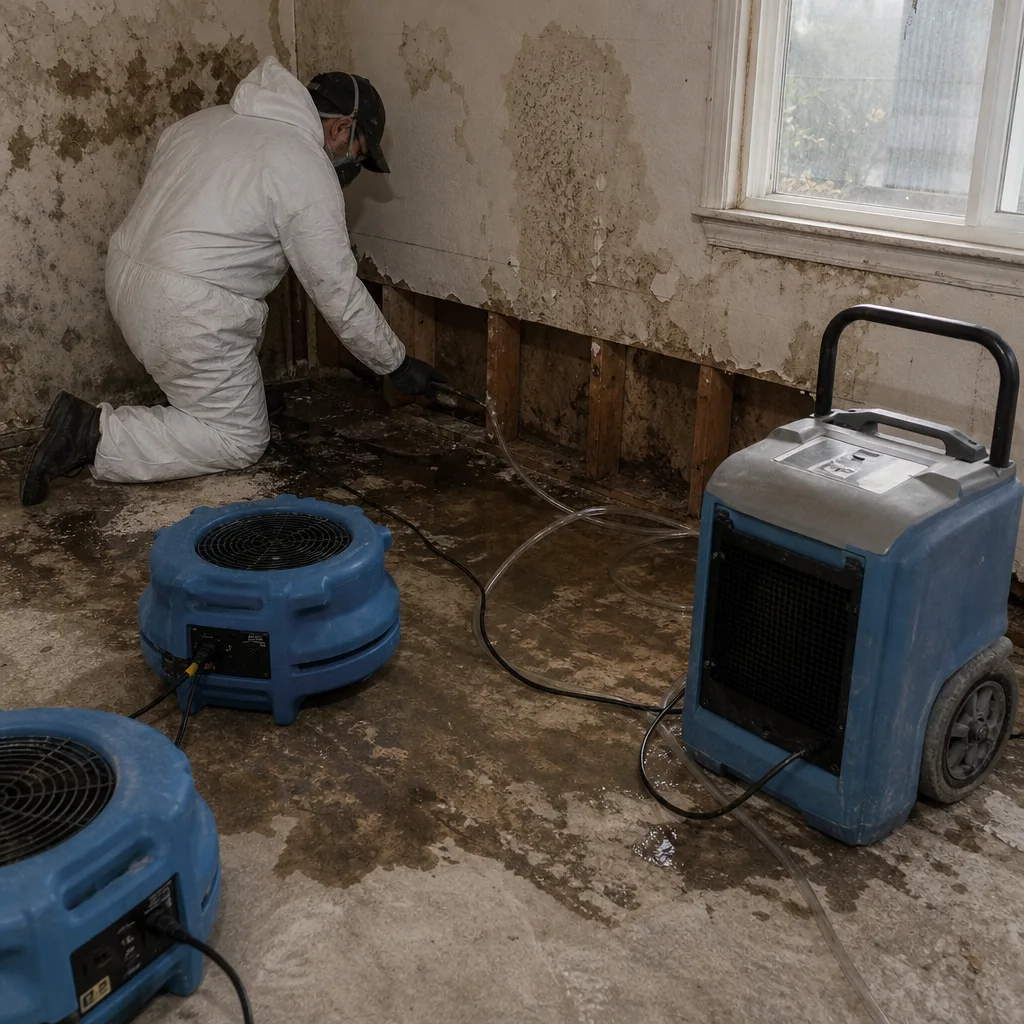 Before
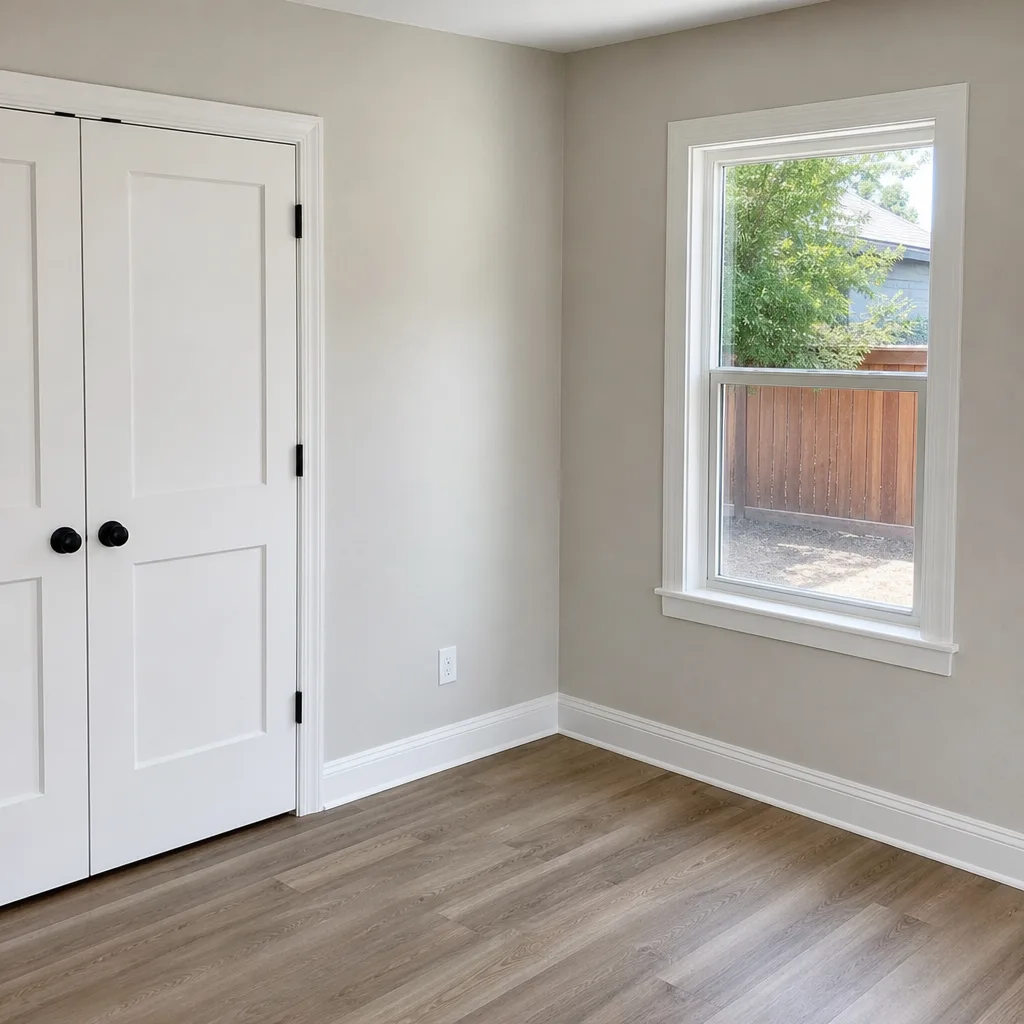 After
After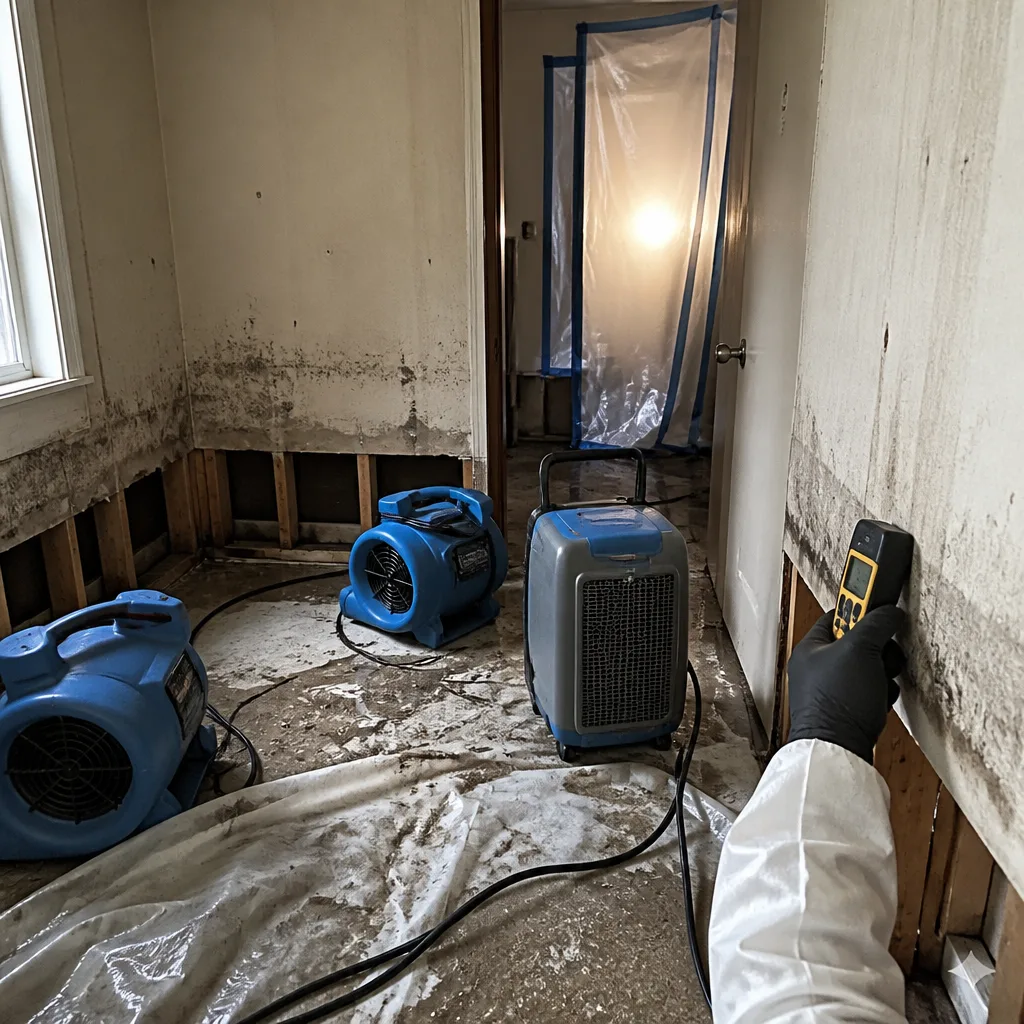 Before
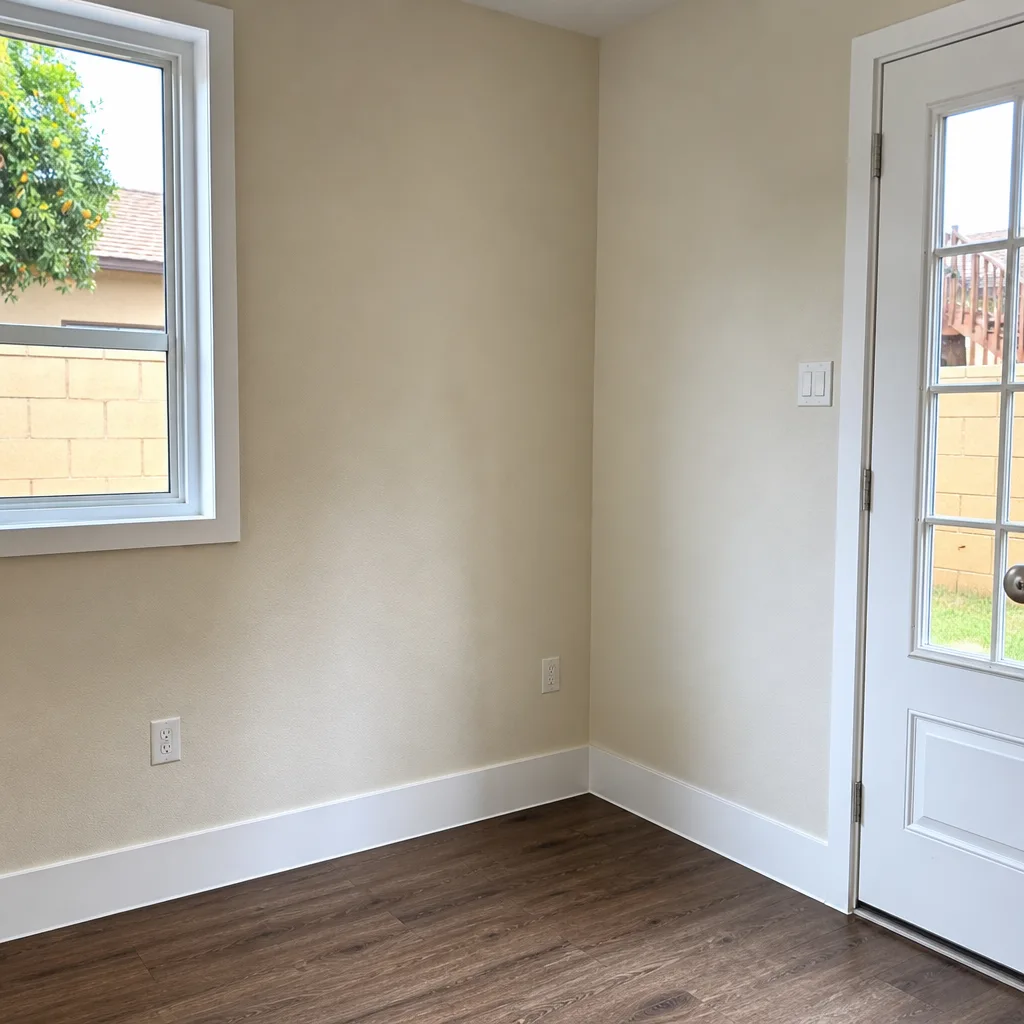 After
After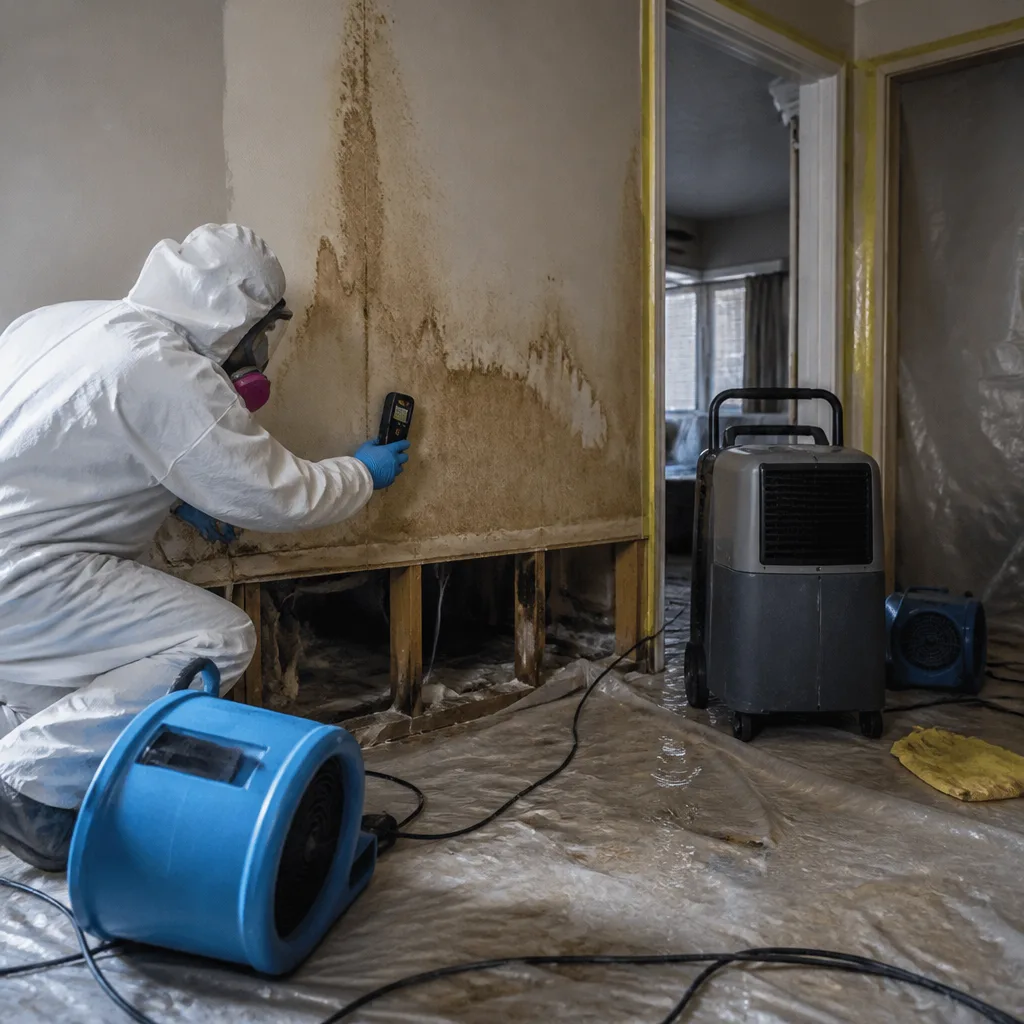 Before
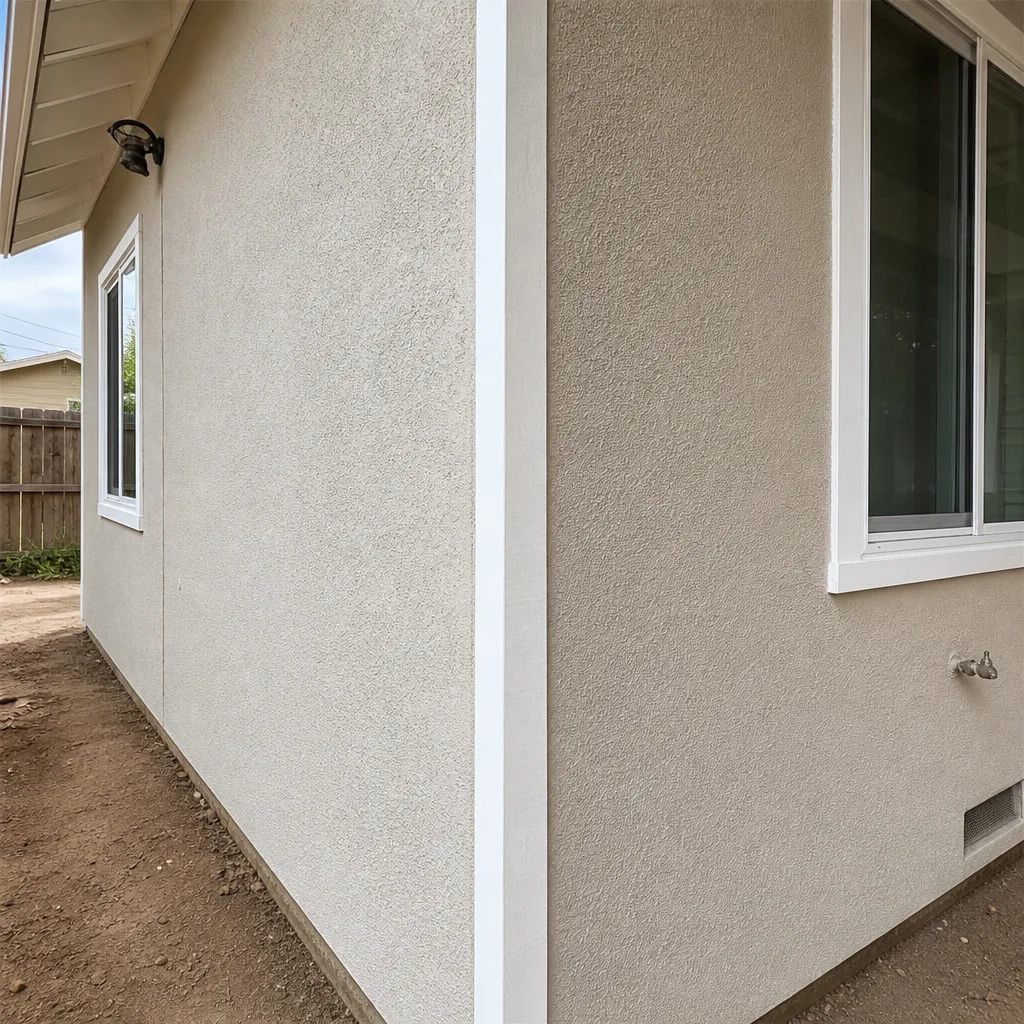 After
AfterHow Much Does Water Damage Restoration Cost in Riverside?
Water damage restoration in Riverside, CA typically costs between $1,800 and $6,500 for a standard residential job in 2026, with most homeowners paying around $3,400. Smaller cleanups like a burst supply line under a sink often run $800 to $1,500, while a full Category 3 sewage backup or a whole-house flood from a failed water heater can reach $12,000 or more. The final number depends on how far the water traveled, what materials it touched, and how quickly extraction begins.
At Tidemark Water Damage Riverside, you see a written price before any Water Damage Restoration Near Me in Riverside, CA work starts. No open-ended hourly billing, no surprise line items at the end. We walk the property, find the tide mark, and put the number in writing. Then we get to work.
Key Takeaways
- Typical Riverside water damage restoration job: $1,800 to $6,500
- Emergency water extraction only: $500 to $1,800
- Full dry-out with structural drying: $2,500 to $7,500
- Sewage cleanup (Category 3): $4,000 to $12,000+
- Most Riverside homes dry out in 3 to 5 days with professional equipment
- Insurance typically covers sudden, accidental water damage
- Tidemark provides a written price before any tool comes off the truck
Water Damage Restoration Cost Breakdown (2026)
Here is what we see across Riverside in 2026, broken down by service line. These are real ranges from jobs in the area, not national averages copied from a generic chart.
| Service | Typical Cost Range (Riverside, CA) | What It Includes |
|---|---|---|
| Emergency water extraction | $500 to $1,800 | Standing water removal, truck-mounted extraction, initial moisture mapping |
| Structural drying & dehumidification | $2,500 to $7,500 | Air movers, dehumidifiers, daily monitoring, moisture readings until dry |
| Category 1 cleanup (clean water) | $1,000 to $3,200 | Supply line breaks, sink overflows, extraction plus targeted drying |
| Category 2 cleanup (grey water) | $2,500 to $5,500 | Washing machine overflow, dishwasher leaks, antimicrobial treatment included |
| Category 3 cleanup (black water) | $4,000 to $12,000+ | Sewage backups, flood water, full containment, disposal of affected materials |
| Drywall removal & replacement | $1.50 to $3.20 per sq ft | Cutting wet drywall, haul-away, new drywall, texture match where possible |
| Flooring removal & replacement | $4 to $12 per sq ft | Depends on material: laminate, hardwood, tile, or carpet |
| Mold remediation (when needed) | $1,500 to $6,000 | Containment, HEPA filtration, removal of affected materials, treatment |
| Content pack-out & cleaning | $800 to $3,000 | Removing, cleaning, and storing personal belongings during restoration |
These ranges reflect what we bill on actual Riverside jobs. A single-story home in Canyon Crest with a burst supply line under the kitchen sink is a different job than a two-story home in Mission Grove with a water heater that failed while the family was at work. The category of water, the square footage of affected material, and the time between the leak and the call all move the number.
One thing that does not move the number: hourly surprises. We give the written price first. If we find more water during the job, we stop and explain the new scope before proceeding. You approve. Then we continue.
What Affects Water Damage Restoration Pricing in Riverside
Riverside’s climate, housing stock, and geography shape what restoration actually costs here. Here are the factors that move a quote up or down.
- Water category. Category 1 (clean water from a supply line) is the cheapest to remediate. Category 2 (grey water with soap, detergent, or food particles) requires antimicrobial treatment. Category 3 (sewage, river water, standing water that has been sitting) means full containment and disposal of anything porous. Most Riverside jobs fall into Category 1 or 2, but we treat Category 3 regularly after heavy rains in the La Sierra and Arlanza areas.
- How long the water sat. A leak found within an hour is an extraction and dry-out job. A leak that ran overnight while a family slept or over a weekend while homeowners were away means water wicked up drywall, under baseboards, and into subfloor. That is the difference between a $1,500 job and a $5,000 job. In Riverside’s dry heat, homeowners sometimes think evaporation will handle it. It will not. Evaporation leaves the moisture in the wall cavity. That is where the tide mark tells the real story.
- Affected square footage. Pricing scales with how much material got wet. A 10-by-10 laundry room is a contained job. An open floor plan in Orangecrest where water ran from the kitchen across 800 square feet of hardwood and into the living room drywall is a much bigger scope. We measure the tide mark, not the puddle.
- Flooring and wall materials. Riverside homes built in the 1960s through the 1980s often have plaster walls over wood lath, which holds water differently than modern drywall. Tile floors are easy to dry. Hardwood, especially the oak flooring common in the Wood Streets historic district, may cup and need board replacement. Laminate absorbs water at the seams and usually needs full removal.
- Access. A water heater in an attached garage with plenty of room to work is a straightforward job. A water heater in an interior closet with a narrow door, or a leak in a crawlspace under a 1940s bungalow in the Magnolia Center area, adds labor time. Riverside’s older homes often have tight crawlspaces and raised foundations that slow things down.
- Contamination from the source. A toilet overflow from a clean tank is different from a sewer line backup. Sewage work requires PPE, containment barriers, and disposal fees for contaminated material. We use HEPA filtration and follow IICRC standards for every Category 3 job, and the equipment and safety protocols are built into the price.
Water Damage Restoration Cost by Water Source
Different sources of water carry different cleanup requirements, and that shows up in the final number. Here is what we see most often in Riverside.
Burst Supply Line or Pipe Leak: $800 to $4,500
This is the most common call we get in Riverside. A pinhole leak in a copper pipe, a failed compression fitting under a sink, or a burst braided supply line. If caught quickly, extraction plus drying runs under $2,000. If the leak ran through the night and soaked drywall and cabinetry, the number climbs. Homes in the Alessandro Heights area with custom cabinetry often need specialized drying to save the boxes, which adds cost.
Water Heater Failure: $1,800 to $6,000
Water heaters in Riverside often sit in the garage, which helps contain the water. But they can also sit in interior closets, and when a 50-gallon tank lets go, that water travels. We see this in newer developments like Sycamore Canyon Park, where water heaters are often placed in utility closets near bedrooms. The cost depends on whether the water reached carpet, drywall, or both.
Washing Machine Overflow: $1,500 to $4,200
A washing machine that overflows or a drain line that backs up produces Category 2 water. It carries detergent, fabric softener, and whatever was in the laundry. The water usually pools in the laundry room and seeps into adjacent spaces. Antimicrobial treatment is standard, and in single-story homes, the subfloor under the laundry room often needs drying from below in the crawl space.
Sewage Backup: $4,000 to $12,000+
This is the job where we suit up. Sewage backups require full containment, disposal of affected porous materials, and sometimes structural repairs after the cleanup. The number depends on how far the sewage spread. A localized backup in a single bathroom is on the lower end. A backup that spread across a finished basement or through multiple rooms before being discovered can exceed $12,000. If your insurance covers it, this is a claim you want to file.
Roof Leak or Storm Water: $1,200 to $5,000
Riverside does not get a lot of rain, but when the Santa Ana winds and winter storms hit, roof flashing fails and water finds a way in. These jobs usually involve ceiling drywall removal, insulation replacement, and drying of the attic space. The cost depends on how much of the ceiling came down and whether insulation needs replacing.
How to Save on Water Damage Restoration
Water damage is not a place to cut corners, but there are legitimate ways to keep the final number down without sacrificing the quality of the work.
- Call fast. The single biggest cost driver in water damage restoration is time. Water that sits for hours instead of minutes wicks into more material. A call within the first hour can keep a $1,200 job from becoming a $4,000 job. Our phones are answered by a live person 24/7 at (341) 212-7342, because water does not wait for business hours.
- Shut off the water source before calling. If you can safely reach the shutoff valve, do it. Turning off the water stops the clock on additional damage. If you cannot find the valve or cannot safely reach it, call us first and we will walk you through it on the phone while we dispatch a crew.
- Move small items out of the water yourself. If water is pooling in one area, move shoes, boxes, and small furniture to dry ground before we arrive. Every item that stays dry is an item that does not need content cleaning or replacement. Just do not move anything heavy or electrical.
- Get a written estimate before committing. Reputable restoration companies will provide a written price before work begins. If a company will not put a number in writing, keep looking. We have written the price first on every job since 2006.
- File an insurance claim for covered events. Sudden and accidental water damage is typically covered by homeowners insurance. That includes burst pipes, water heater failures, and appliance overflows. Gradual leaks that went unnoticed for weeks are usually not covered. We work directly with insurance adjusters and can document everything they need to process the claim.
- Ask what is actually wet. A good technician will show you moisture readings and explain exactly which materials need drying and which need removal. You should never pay to tear out drywall that is already dry. We use moisture meters and thermal imaging to find the tide mark and dry past it, not guess at it.
We offer free estimates on every job. Call (341) 212-7342, and a live person will answer, day or night.
Step by Step: How Water Damage Restoration Works
Here is exactly what happens when you call Tidemark Water Damage Riverside. This is the same process for every job, from a small sink leak in a downtown Riverside condo to a full sewage cleanup in a Woodcrest home.
Step 1: You Call, We Answer
You reach a live person, not a voicemail. We ask basic questions: where the water is coming from, how long it has been running, what got wet. We give you immediate instructions over the phone to stop further damage if the water source is still active. Then we dispatch a crew. Our average response time in Riverside is under two hours, and we will often arrive faster inside the central Riverside ZIP codes.
Step 2: Assessment and Moisture Mapping
A uniformed technician arrives with shoe covers already on and drop cloths in hand. The shoes stay covered the entire time. The first thing we do is locate the source and stop the water if it is still flowing. Then we map the moisture. This means moisture meters in the walls, floors, and ceiling, plus thermal imaging to see what the naked eye cannot. The tide mark, the line water leaves as it wicks up a wall, is the first thing we look for on every job. We find where the water traveled and measure how far it went.
Step 3: Written Price First
Before any equipment comes off the truck, you get a written price. It lists the scope of work: what gets extracted, what gets dried, what gets removed, and what it costs. You sign only after you understand the number. Nothing starts without your approval.
Step 4: Extraction
Standing water is removed using truck-mounted extraction equipment. These are professional-grade machines from Dri-Eaz and other leading manufacturers, the same equipment used by large restoration franchises, but operated by a locally owned crew. Extraction is the fastest way to stop water from wicking further into walls and floors. The sooner it happens, the less damage remains.
Step 5: Drying and Monitoring
Air movers and dehumidifiers from Phoenix, XPOWER, B-Air, and Injectidry are set up based on the moisture map. The placement is intentional: one unit in the wrong spot wastes a day of drying time. Our technicians monitor the job daily, moving equipment as the drying front shifts. Most Riverside homes dry fully in 3 to 5 days, though larger or older homes can take longer. We dry past the tide mark, not just until the surface feels dry to the touch.
Step 6: Repairs and Finish Work
Once the structure is dry, we handle the repair work: replacing drywall, flooring, baseboards, and insulation. If mold is present, we remediate it under containment before repairs begin. The finish work is done to a walk-in-ready standard: floors protected, debris hauled away, no dust left behind.
Step 7: Photo Documentation
Before the crew leaves, we take a photo of the completed work and share it with you. You see exactly what was done and how the space was left. The photo also serves as documentation for your insurance claim if you filed one. Then we walk you through the moisture readings to confirm everything is dry.
Every job, no matter the size, carries the 365-Day Done Right Promise. If something was not done right, we make it right. That is the standard at home and on every job site.
Does Insurance Cover Water Damage Restoration in Riverside?
Most homeowners insurance policies cover sudden, accidental water damage. A Burst Pipe Restoration, a failed water heater, an overflowing washing machine: these are typically covered events. The insurance company pays for extraction, drying, and repairs, minus your deductible. Riverside homeowners commonly carry deductibles between $500 and $2,500, which means you may pay the deductible out of pocket while insurance covers the rest.
What insurance usually does not cover: gradual leaks, water damage from lack of maintenance, and flooding from outside water, which requires a separate flood insurance policy. If you are not sure whether your situation is covered, call your agent. We can also document the damage and provide the reports and photos your adjuster needs.
How Much Does Mold Remediation Cost After Water Damage?
If water sits for more than 24 to 48 hours, mold can begin to grow. In Riverside’s warm climate, that window is often shorter during the summer months when indoor temperatures stay high. Mold remediation after water damage typically costs $1,500 to $6,000, depending on the size of the affected area and whether it is contained to one wall or spread through a crawlspace or attic.
We handle mold remediation as part of the restoration process when it is needed. The process involves building containment barriers, running HEPA air filtration, removing affected materials, and treating the area to prevent regrowth. IICRC standards govern the entire process, and our credentialed technicians follow them on every job.
We use pet-safe drying agents and treatments where there is a choice. If you have children or pets in the home, tell us when we arrive. We adjust our process and products accordingly, and we run lower-decibel settings on equipment during school hours and nap time where possible.
Water Damage Restoration Cost in Riverside by Area
Riverside is a large city with different housing stock in different neighborhoods, and the type of home affects restoration costs. Here is what we see across the city.
Canyon Crest and Mission Grove
Newer single-family homes, often two stories with modern plumbing and standard drywall. Water damage in these areas is typically contained if caught quickly. A supply line break in a Mission Grove home usually runs $1,200 to $3,500 because the water stays in one room and the drywall is standard 1/2-inch material that is easy to replace.
Wood Streets and Magnolia Center
Historic homes from the 1920s through 1950s with plaster walls, hardwood floors, and older plumbing. Plaster holds water differently than drywall and often requires more aggressive drying. Hardwood floors in these homes can cup and need board replacement at $8 to $12 per square foot. Jobs in these neighborhoods typically run 20% to 30% higher than the citywide average because of the materials involved.
Orangecrest and La Sierra
Homes built primarily in the 1980s through 2000s with standard construction. These are the most predictable jobs in Riverside. Typical water damage restoration here lands between $1,800 and $5,000, matching the citywide average closely.
Arlanza and Casa Blanca
Older homes on raised foundations, many with crawlspaces. Water that gets into a crawlspace requires subfloor drying from below, which adds labor time. These jobs often include foundation-adjacent drying that pushes costs toward the upper end of the range, typically $3,000 to $6,500.
FAQs – Water Damage Restoration Cost
How much does water damage restoration cost per square foot in Riverside?
Water damage restoration in Riverside typically costs $3 to $8 per square foot depending on the water category and materials affected. A 500-square-foot affected area in a standard modern home usually runs $1,500 to $4,000, while the same square footage in an older home with plaster walls and hardwood floors can run $4,000 to $8,000. Call (341) 212-7342 for a free written estimate based on your specific situation.
Is it cheaper to repair or replace water-damaged drywall?
Repairing water-damaged drywall costs $1.50 to $3.20 per square foot, while full replacement with matching texture costs $3 to $6 per square foot. The deciding factor is how high the water wicked up the wall and how long the drywall stayed wet. Drywall that stayed wet for more than 24 hours usually needs cutting out because it loses structural integrity and becomes a mold risk. If the tide mark sits below the baseboard line, repair is often enough. Above the light switch line, replacement is usually the right call. We will show you the moisture readings before we recommend one path or the other.
Can you come today for water damage restoration in Riverside?
Yes. We answer calls live 24 hours a day, seven days a week, and we dispatch crews across Riverside the same day, typically within two hours for central Riverside ZIP codes. Water damage restoration is emergency work, and we staff for it. Call (341) 212-7342 and a real person will answer.
How long does water damage restoration take in Riverside?
Most Riverside water damage restoration jobs are fully dry in 3 to 5 days. In Riverside’s warm, dry climate, the drying process moves faster than in coastal cities, especially when we set up equipment within hours of the leak. Larger jobs with sewage contamination or structural repairs can take 1 to 3 weeks from start to finish. We will give you a timeline with your written estimate.
Does homeowners insurance cover water damage restoration?
Most homeowners insurance policies cover sudden, accidental water damage from burst pipes, failed water heaters, and appliance overflows. Riverside homeowners typically pay a deductible of $500 to $2,500, with insurance covering the remaining restoration costs. Gradual leaks and exterior flooding are generally not covered. We work directly with insurance adjusters and provide the documentation they require. Call (341) 212-7342 and we will help you figure out whether filing a claim makes sense before we start work.
When should I call a professional instead of cleaning up water myself?
You should call a professional restoration company whenever water has reached walls, flooring, or cabinets, which is nearly every water event except a small clean-water spill you catch immediately. Water wicks into drywall within hours, and moisture left inside wall cavities leads to mold and structural problems that cost far more to fix later. The job is not just removing standing water. It is drying past the tide mark, the line water leaves as it moves through materials. That requires moisture meters, thermal imaging, and professional drying equipment. You can find our full Water Damage Restoration in Riverside guide here.
Get a Written Price Before Any Work Starts
Water damage in your home is stressful enough without wondering what the final invoice will look like. At Tidemark Water Damage Riverside, you get a written price before any equipment comes off the truck. No hourly surprises. No scope creep without your approval. No final bill that bears no resemblance to the estimate.
Shoe covers go on at the door. Drop cloths cover the floor before the first piece of equipment comes in. We use professional-grade drying equipment from Dri-Eaz, Phoenix, XPOWER, B-Air, and Injectidry, operated by IICRC-, RIA-, and IFA-credentialed technicians who find the tide mark and dry past it. And before the crew leaves, we hand you a photo of the clean-up so you see exactly what was done and how it was left.
Call (341) 212-7342 for a free estimate. A live person answers, day or night, because water does not wait for business hours.
Written by Rick Sumner, Owner at Tidemark Water Damage Riverside, serving Riverside and surrounding communities since 2006.
Pricing reflects the Riverside market as of 2026. Tidemark Water Damage Riverside offers free estimates – call (341) 212-7342.
What Our Customers Say
"Flooded laundry room. They set up fans but were thoughtful about the noise around the baby's room and moved equipment when I asked. Kind, clean, and they checked in daily."
- Marcus Delacroix"Water heater flooded the garage and part of the hall. The crew treated our home gently, laid protection everywhere, and were kind about how overwhelmed I was. Dried it out properly."
- Daniela Ross"Dishwasher leaked under the floor for a while. They found the hidden moisture, dried it without tearing up more than they had to, and left the kitchen clean and treated. Gentle with the whole process."
- Gary Linden