
Last updated October 16, 2026
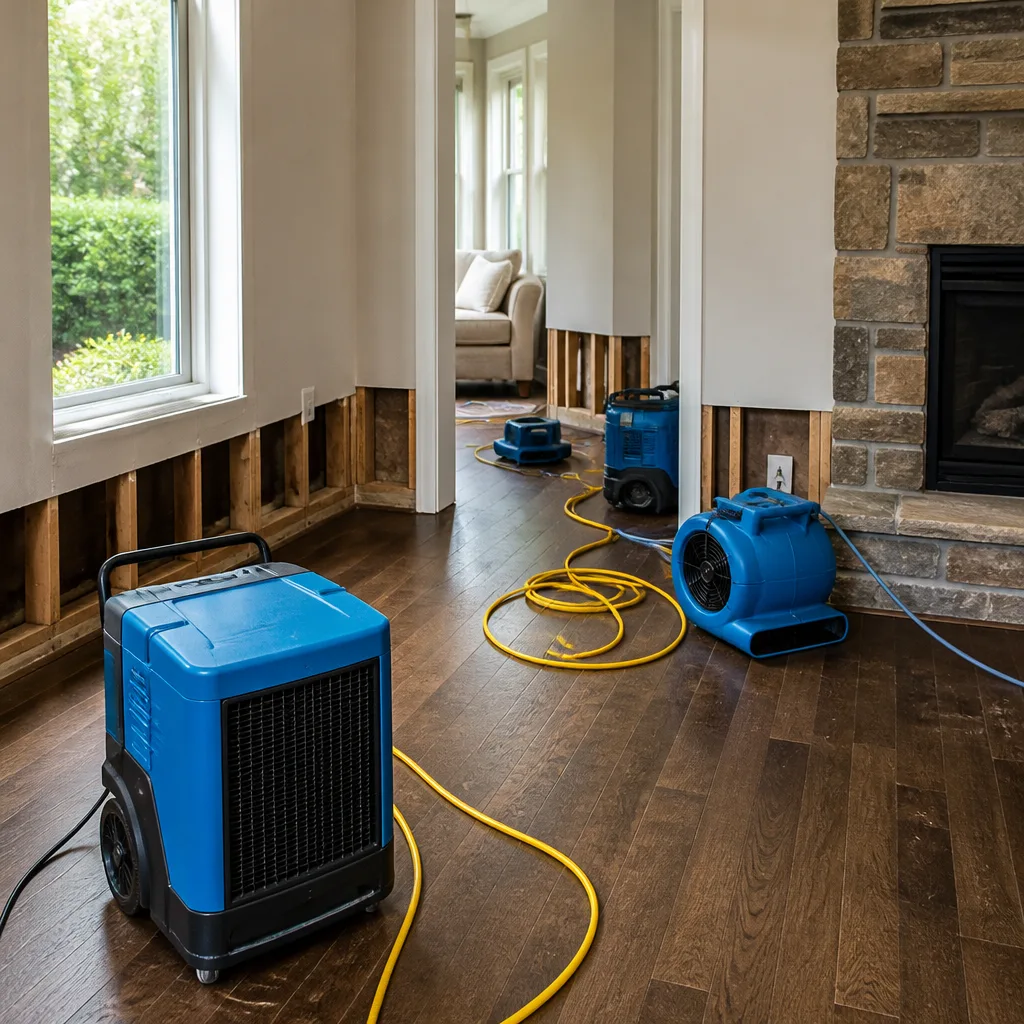 Water damage drying
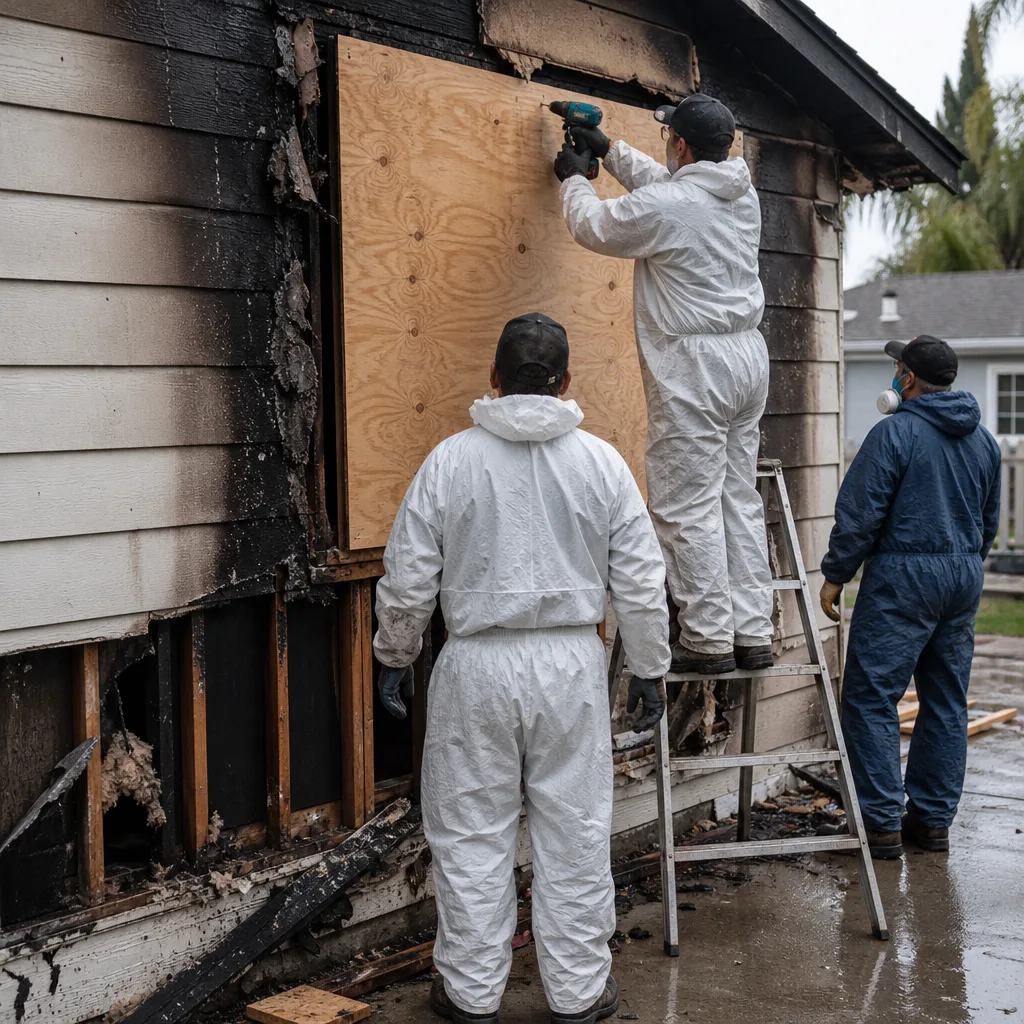
 Fire & smoke cleanup
 Mold remediation
 Storm response
 Sewage cleanup
 Reconstruction
Free visual inspection and a written scope of work before any mitigation begins - photos, moisture readings, and drying logs go in your claim file
The scope we write is the scope we bill. Anything new gets shown to you, in writing, before we touch it.
Get your free estimateThe Complete Guide to Damage Restoration in Riverside
Riverside’s expansive clay soil can redirect subslab water up to 22 feet from the original leak source. That’s why a bathroom that feels dry to the touch can still be feeding moisture into a kitchen wall 18 days later. Most homeowners treat damage restoration as a single event: something gets wet, someone dries it, life resumes. The reality is messier, and understanding that mess is what separates a home that recovers fully from one that develops a mold problem six months after the check cleared. This guide maps the full restoration sequence against Riverside’s specific soil, climate, and code environment so you finish with a plan that actually fits your house, not generic advice written for a national audience. For damage restoration warning signs every Riverside homeowner should know, see our companion guide.
Quick Answer
Damage restoration in Riverside is a five-phase sequence: detect, extract, dry, remediate, and rebuild. Skipping or collapsing phases, especially drying before detection is complete, is what causes mold, structural failure, and denied insurance claims. A legitimate restoration in Riverside takes 3 to 7 days for water mitigation and 2 to 8 weeks when rebuild is required, with drying timelines adjusted for the city’s clay soils and Santa Ana wind humidity swings.
Restoration work we handle
Table of Contents
- The Five Sequential Phases of Restoration
- How Riverside’s Clay Soil Changes Water Behavior
- What a Legitimate Restoration File Looks Like
- Mitigation vs. Restoration: Why the License Distinction Matters
- Santa Ana Winds and Indoor Drying Targets
- What Restoration Costs in Riverside
- How Insurance Claims Actually Work Here
- Common Mistakes to Avoid
- When to Call a Professional
- Frequently Asked Questions
The Five Sequential Phases of Restoration
Restoration fails when the order fails. We’ve walked into Riverside homes where a contractor set up fans on day one without ever using a moisture meter to find where the water actually went. The floor dried, the invoice got paid, and the mold bloomed three months later behind a baseboard nobody pulled. Here is the sequence that holds up under Riverside conditions, and why each phase depends on the one before it.
Phase 1: Detect
Detection is not a walkthrough with a flashlight. It is a systematic moisture survey using non-invasive meters, thermal imaging, and, when subslab water is suspected, extended probes. The goal is to map the full migration path. In Riverside, that path is rarely straight down. Clay expands when wet and creates channels that carry water laterally along pipes, foundation seams, and soil strata. A toilet supply line leak in a Wood Streets bungalow can travel under the slab and wet a hallway 15 feet away without ever surfacing. If detection stops at the visible puddle, the drying plan is wrong from the start.
Phase 2: Extract
Standing water gets removed with truck-mounted or portable extraction units before any drying equipment is placed. Extraction removes roughly 90% of the water by volume. The remaining 10%, bound in materials, is what drying equipment is designed to address. Skipping extraction or doing it halfheartedly means drying equipment is fighting gallons instead of ounces, which extends timelines and increases the chance of secondary damage in drywall and flooring.
Phase 3: Dry
Drying is engineering, not guesswork. Air movers from Dri-Eaz and Phoenix are placed based on the moisture map from Phase 1, not scattered evenly around the room. Dehumidifiers are sized to the cubic footage and the class of water loss. Daily moisture readings track progress against a drying goal that accounts for Riverside’s ambient humidity, which shifts dramatically during Santa Ana wind events. Dry-out in Riverside typically runs 3 to 5 days for a clean water loss in standard construction, and longer when the water traveled under slabs or into load-bearing framing.
Phase 4: Remediate
Remediation addresses what the water left behind: mold growth, bacteria if the water was contaminated, and odor. This phase is not automatic for every loss. When drying is completed properly and promptly, mold often does not establish. But when water sat for more than 48 hours or came from a contaminated source, remediation becomes a required phase: containment, HEPA air scrubbing, physical removal of affected material, and clearance testing. Riverside’s warm fall temperatures create an ideal mold incubation environment when moisture lingers, which is why Phase 3 and Phase 4 are sequenced carefully.
Phase 5: Rebuild
Rebuild is everything that puts the house back: drywall, paint, flooring, cabinetry, and trim. This phase is scoped in writing, priced in writing, and scheduled like a remodel. It does not begin until clearance readings confirm the structure is dry. Contractors who rebuild before the structure is dry are building mold into the house. In Riverside, where many homes date from the 1950s and 1960s, rebuild frequently includes asbestos and lead paint protocols that affect both timeline and cost.
How Riverside’s Clay Soil Changes Water Behavior
Riverside sits on expansive clay soils that are among the most reactive in Southern California. Clay expands when wet and contracts when dry, sometimes shifting by inches over a season. That characteristic changes how water behaves under your house, and standard national drying timelines don’t account for it.
Lateral Migration
When a pipe leaks under a slab, water does not simply pool and evaporate. The clay swells, forms a bowl or channel, and redirects water sideways along the path of least resistance. That path often follows sewer lines, footing seams, or abandoned plumbing chases. We’ve documented moisture in a Canyon Crest kitchen that traced back to a sprinkler valve on the opposite side of the house, 22 feet from the wet patch. National best-practice drying assumes water moves mostly downward. In Riverside, it moves sideways.
Drying Timelines and Clay
Clay holds water tightly. Even after the visible water is gone, clay retains moisture that continues to feed vapor into the slab and walls for weeks. That means drying targets in Riverside homes need to account for “reservoir” moisture: the water bound in soil that rehydrates building materials after the air movers go off. Successful dry-out protocols include extended subslab monitoring and, in some cases, injection drying with systems like Injectidry to push air through wall cavities and under flooring. A standard three-day dry-out that works in sandy soils can fail badly here.
Foundation and Structural Angle
The same clay that moves water also moves foundations. Seasonal expansion and contraction stress slabs and stem walls, creating hairline cracks that become water entry points during heavy rain or irrigation overspray. Restoration in Riverside often doubles as foundation triage: once the water is mapped, homeowners learn whether the crack that let the water in is cosmetic or structural. Knowing the difference before rebuild begins is the difference between a paint job and a pier install.
What a Legitimate Restoration File Looks Like
A real restoration produces paperwork. When an insurance claim is involved, that paperwork is the difference between a check and a denial. Here is what a legitimate file contains, and what each piece protects. For details on damage restoration permits, codes & inspections in CA, see our dedicated resource.
- Initial Moisture Map: Dated readings from every affected room, including moisture content percentages for walls, floors, and framing. This establishes the scope before drying begins, which matters when adjusters review whether the work was necessary.
- Equipment Placement Records: Where every air mover and dehumidifier sat, when it was placed, and when settings changed. This shows the drying plan was systematic, not improvisational. Adjusters look for this when claims are audited.
- Daily Moisture Logs: Sequential readings from the same locations over the drying period. These demonstrate progress and justify the drying duration, especially when extended days are required by Riverside’s clay soils.
- Clearance Readings: Final moisture content numbers from all affected materials, documented before equipment is removed. This is the proof the structure is actually dry, and it protects the homeowner from a rebuild that seals in moisture.
- Containment and Remediation Records (when applicable): Photos and logs showing containment was set, negative air pressure was maintained, and affected material was removed. Adjusters deny cleanup claims when documentation shows no containment was attempted.
- Before and After Photos: The visible record of what was damaged and what was restored. At Tidemark, we photograph the clean-up before the crew leaves and share it with the homeowner, so the file matches the lived experience of the house.
When a contractor cannot produce moisture logs, equipment records, or clearance readings, the homeowner has no way to verify the work was done correctly, and the insurer has no basis to approve the claim. The file is not bureaucratic overhead. It is the paper trail that protects the homeowner’s financial position.
Mitigation vs. Restoration: Why the License Distinction Matters
In California, the work that stops active damage and the work that rebuilds a home are legally different activities, often performed under different classifications of contractor license. Understanding the distinction protects you from a repair that carries no accountability.
Mitigation is the emergency response: extraction, drying, dehumidification, containment, and removal of unsalvageable material. It is time-sensitive and often starts before an adjuster has even visited the property. In California, mitigation contractors must be licensed appropriately, and the work is typically billable to insurance as a separate category from reconstruction.
Restoration (sometimes called reconstruction or rebuild) is the permanent repair: drywall, paint, flooring, cabinetry, and structural work. This phase is not time-sensitive in the same way, and it should never begin until the mitigation phase is complete. A contractor who combines mitigation and rebuild into one continuous operation without a clear handoff and written scope for each phase is blurring accountability. If something goes wrong, who owns the failure: the dryer or the builder?
For Riverside homeowners, this distinction matters for permits. Rebuild work like drywall, electrical, and plumbing typically requires city permits. Mitigation generally does not. When a contractor tells you no permits are needed for work that includes rebuilding walls or moving plumbing, ask which phase you are in. If it is rebuild, permits are usually required, and that permitting process creates a public record of the work that protects your insurance claim and your resale value.
This is also where the Cedarwell Care Promise changes how a job runs. A written price before any work starts, on every phase, means the homeowner sees exactly what mitigation costs, exactly what rebuild costs, and what the handoff looks like. No surprises on the final invoice, and no ambiguity about which phase you are paying for.
Santa Ana Winds and Indoor Drying Targets
Santa Ana wind season in Riverside runs from October through February, and it fundamentally changes the physics of drying. Santa Anas are hot, dry, and fast. They push outdoor relative humidity down to single digits, sometimes for days at a time. That sounds like a gift for drying, and sometimes it is. But it also creates a trap.
When outdoor humidity plunges, indoor air wants to equalize with it. A drying chamber that was balanced at 45% relative humidity will drift toward 20% or lower during a Santa Ana event. Dry air pulls water out of materials faster, but it also pulls water out of materials unevenly. Surface materials like drywall and hardwood dry quickly, while deeper materials like subfloor and framing lag behind. A technician reading only surface moisture might declare the structure dry when the core is still wet. That is how “dry in four days” becomes mold in four months.
The professional standard is to adjust drying targets during Santa Ana conditions. Dehumidifiers are dialed back or cycled. Moisture meters are read from deeper probes, not just surface scans. Drying timelines are extended even when the air feels bone-dry, because the goal is equilibrium throughout the material, not a dry surface layer. Experienced Riverside restoration crews know this rhythm because they live it every fall. It is one of several reasons why generic national drying protocols produce worse outcomes here than a local crew that reads local air.
For homeowners, the practical takeaway is simple: if a contractor announces your house is dry after a two-day Santa Ana event, ask what the deep-probe readings showed, not just the surface numbers. The file should include both.
What Restoration Costs in Riverside
Cost in Riverside runs higher than national averages for two reasons: the age of the housing stock and the behavior of the soil. Older homes carry asbestos and lead protocols that add to rebuild cost, and clay-driven lateral migration extends drying timelines beyond what standard pricing models assume. Here is a realistic picture based on what we see across the city.
| Scope of Work | Typical Range in Riverside | What Drives the Cost |
|---|---|---|
| Water mitigation, single room | $1,200 – $3,400 | Extraction, 3 – 5 days drying, equipment, monitoring |
| Water mitigation, multi-room or subslab | $3,500 – $8,000+ | Extended drying, injection drying, demolition of wet material |
| Mold remediation, contained area | $1,800 – $6,000 | Containment, HEPA scrubbing, material removal, clearance testing |
| Full rebuild (drywall, paint, flooring) | $4,000 – $25,000+ | Square footage, material grade, permit fees, asbestos/lead protocols |
These are planning numbers, not quotes. Every home is different, and the only honest price is a written one prepared after a moisture survey of your specific loss. What we can promise, on every job, is that the written price comes before any work starts. You will not be standing in a torn-out kitchen hearing a new number while the equipment is already running.
How Insurance Claims Actually Work Here
Riverside homeowners file water damage claims more often than fire claims, and the claims process favors the homeowner who documents early and communicates clearly. Here is the sequence that works, and where contractors fit into it.
- Call your insurer first or call restoration first? Either order works, but do both within 24 hours. The insurer opens the claim and assigns an adjuster. The restoration contractor stops the active damage. These are parallel tracks, not sequential ones.
- Document the damage before anything moves. Photos, video, and a written scope from the restoration contractor. This is the file we described above: moisture map, equipment records, daily logs.
- The adjuster reviews the documentation and approves the mitigation scope. Claims are approved based on evidence that the work was necessary and correctly performed. A contractor who cannot produce the file damages your claim.
- Mitigation proceeds, then rebuild is scoped and priced separately. The two phases should never blur into one invoice. Separate scopes, separate approvals, separate accountability.
- Direct billing to insurance is a significant advantage. When the contractor bills the insurer directly and coordinates with the adjuster, the homeowner is not fronting thousands of dollars while waiting for reimbursement. Ask about this when you choose a contractor.
We coordinate with adjusters as a standard part of every insured loss in Riverside, including photo documentation of the clean-up before the crew leaves, so the adjuster sees exactly what was done and how the house was left. That photo has settled disputes on more than one claim.
Common Mistakes to Avoid
- Drying before finding the full moisture path. In Riverside’s clay, water migrates laterally. Drying the visible puddle without mapping the migration path leaves active moisture under another part of the house. Always get a full moisture survey before equipment goes in.
- Assuming Santa Ana heat dried the house. Dry air dries surfaces, not framing. Deep-probe readings are the only reliable way to know the structure is actually dry, not just the surface.
- Letting one contractor blur mitigation and rebuild. When the same crew that tore out the floor also rebuilds it without a separate written scope for each phase, accountability disappears. Two scopes, two prices, one clean handoff.
- Accepting a verbal estimate on a rebuild. An estimate that is not written is not an estimate. Insist on the written price before work starts, every time. It is the single most effective protection against invoice surprises.
- Delaying the insurance call. Policies have notification deadlines, and late-filed claims are denied for reasons that have nothing to do with the damage. Call within 24 hours, even if you think the damage is minor.
- Choosing a contractor based on speed alone. A crew that promises a two-day dry-out in Riverside is either reading surface meters or ignoring the soil. Drying that is too fast in clay country leaves water behind.
- Skipping the pre-rebuild moisture verification. If someone hangs drywall before clearance readings document the structure is dry, you are building mold into the wall. Insist on seeing the numbers before rebuild begins.
When to Call a Professional
Call a professional when water has touched drywall, flooring, or framing, when the source is unknown, when water may have traveled under a slab, or when there is any visible mold growth. Standing water that sits for more than 48 hours is already a mold risk, even if it looks clean. Contaminated water from a sewage backup requires professional handling under containment, not a mop and a fan. If the affected area is larger than a single bathroom, or if anyone in the house has respiratory issues, do not attempt DIY drying. A written moisture survey from a trained technician costs nothing compared to a rebuild that was built on a wet frame. Water Damage Restoration in Riverside starts with exactly that survey. Tidemark Water Damage Riverside offers free estimates in Riverside. Call (341) 212-7342 and a live person answers, day or night.
Frequently Asked Questions
Water mitigation typically takes 3 to 7 days in Riverside homes, depending on the water class, the extent of migration, and whether Santa Ana conditions are active. Rebuild adds 2 to 8 weeks depending on scope and permitting. Homes with subslab migration or older construction take longer than a single-room clean water loss in newer construction.
Most Riverside homeowners policies cover sudden and accidental water damage, like a burst pipe or an appliance failure, but not gradual seepage or maintenance issues. Coverage depends on your specific policy language, your deductible, and the classification of the water source. A restoration contractor who coordinates directly with your adjuster and provides photo documentation can meaningfully improve the outcome of your claim. Call (341) 212-7342 to discuss your situation.
Mitigation stops active damage: extraction, drying, dehumidification, and removal of unsalvageable material. Restoration rebuilds the home: drywall, paint, flooring, and structural work. They are separate phases with separate scopes, separate pricing, and separate timelines. Never let a contractor conflate the two.
You verify it with deep-probe moisture readings, not surface scans. A legitimate drying file includes daily readings from multiple depths in affected materials, showing consistent progress toward an established drying goal. Ask to see the numbers before equipment is removed and before rebuild begins. If the contractor cannot produce them, the drying was not verified.
Yes. Riverside’s expansive clay soils absorb water, swell, and create channels that carry water laterally under slabs and along foundation seams. This means water can travel 15 to 22 feet from the original source and surface in an entirely different room. Standard national drying protocols that assume downward water movement underperform badly here. Riverside homes need a drying plan that accounts for lateral migration and extended subslab monitoring.
No. When water is extracted promptly and dried thoroughly within 48 to 72 hours, mold often does not establish. Remediation becomes necessary when water sat too long, when the water source was contaminated, or when drying was incomplete. A moisture survey and clearance readings tell you whether remediation is needed. If visible mold is present, Mold Remediation in Riverside is required under containment, not as a surface wipe-down.
The Bottom Line
Damage restoration in Riverside is a sequence, not a single act. Detect, extract, dry, remediate, rebuild. Each phase depends on the one before it, and every phase behaves differently in Riverside’s clay soil and Santa Ana wind climate. Get a written moisture survey, insist on a documented drying file, and keep mitigation and rebuild as separate scopes with separate prices. The companies that do this work well are local enough to know the soil and disciplined enough to produce the paperwork. Fire Damage Restoration in Riverside follows the same sequential discipline. When water, fire, or mold hits your home, start with the survey. The Tidemark Water Damage Riverside home team has served Riverside since 2006 with a written price before any work starts and a 365-Day Done Right Promise after it is finished. Call (341) 212-7342 for a free estimate.
Written by Rick Sumner, Owner at Tidemark Water Damage Riverside, serving Riverside since 2006. Browse more guides & resources on protecting your home.
See the difference
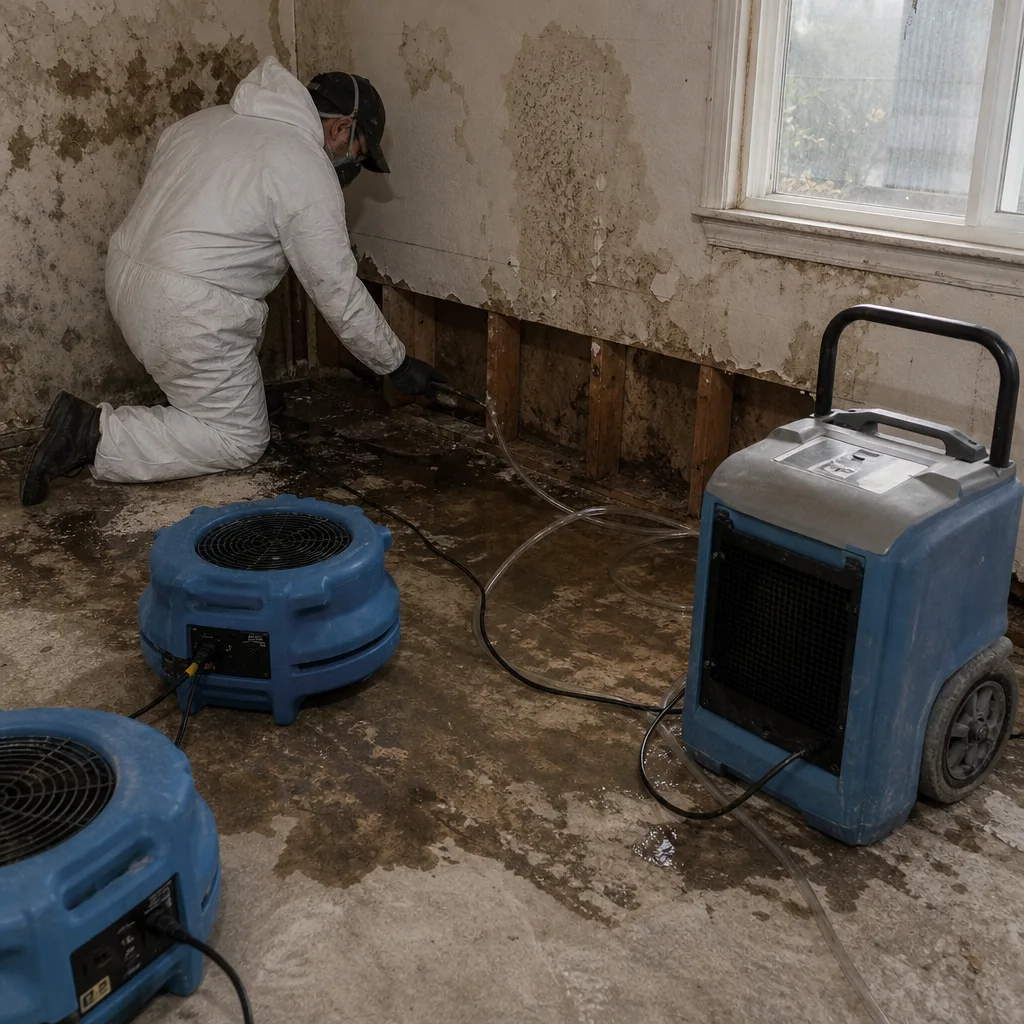 Before
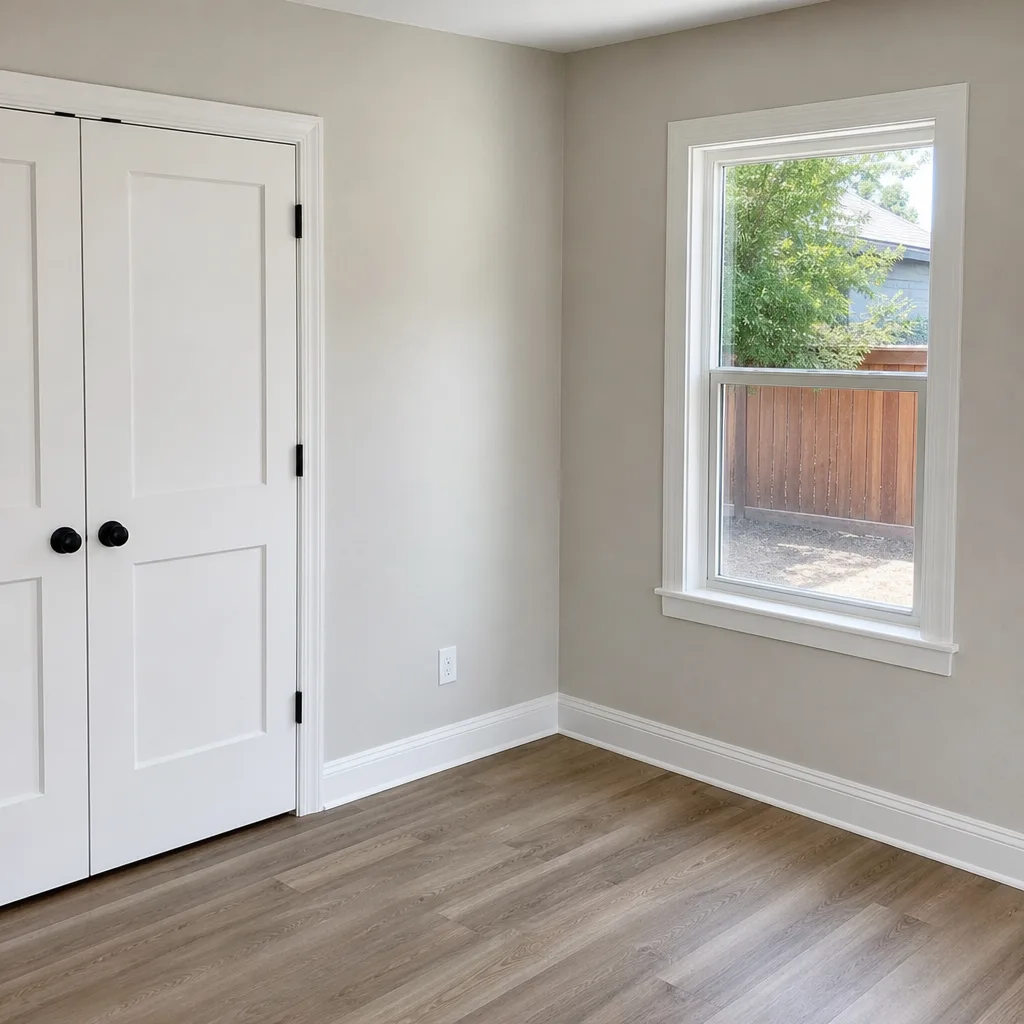 After
After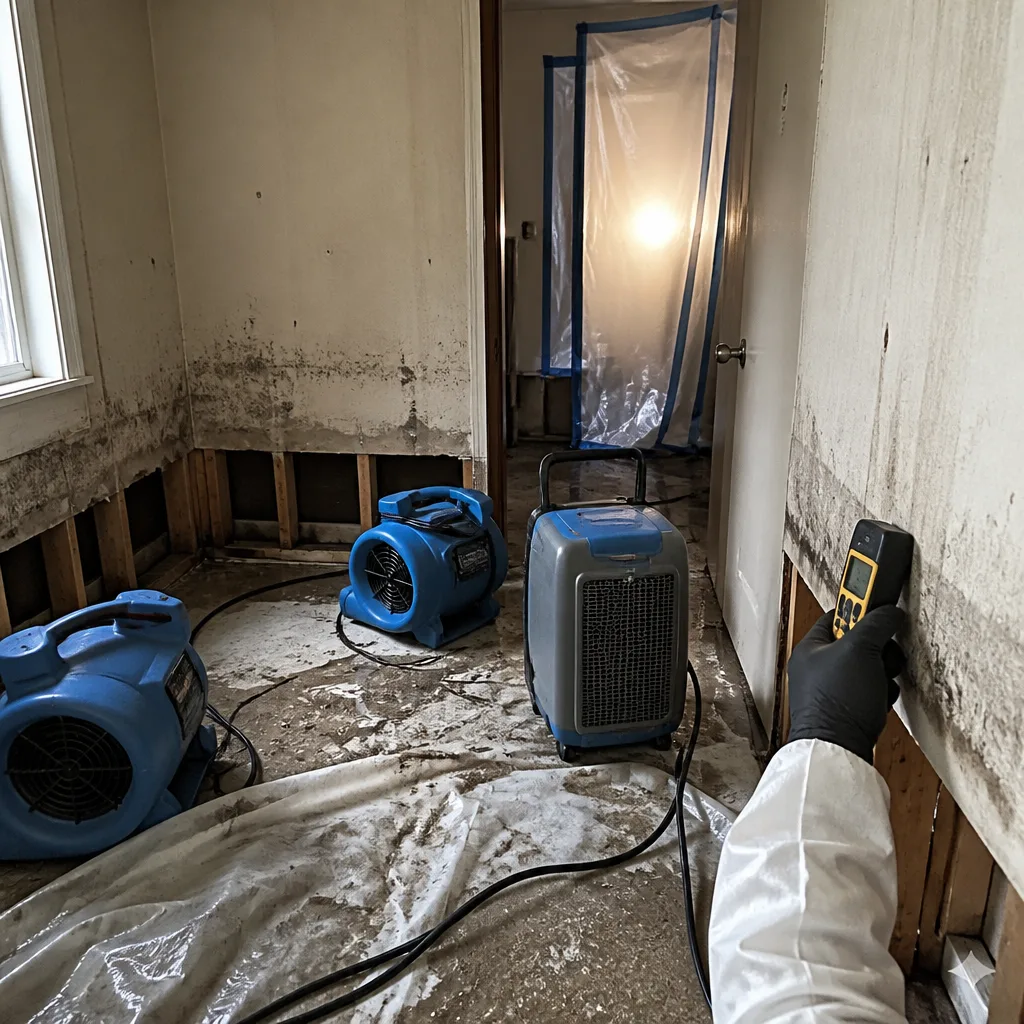 Before
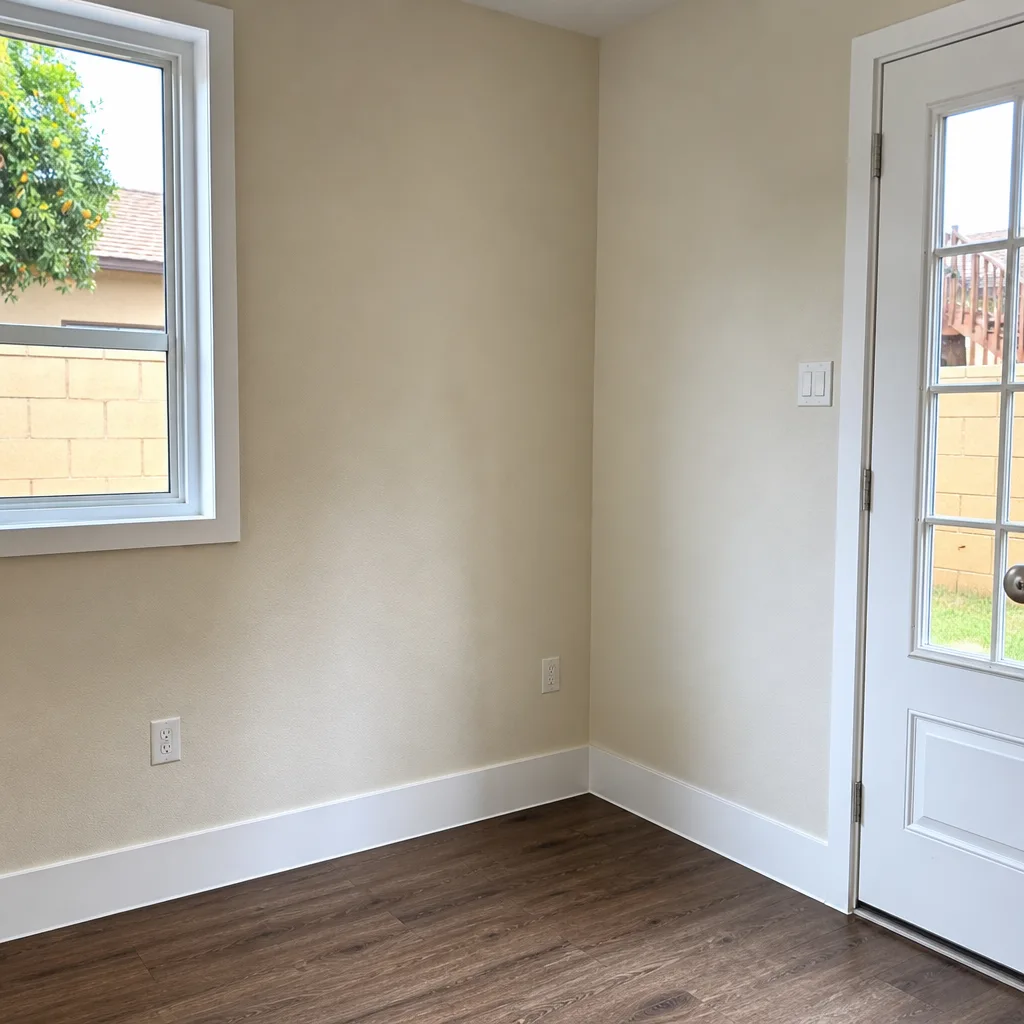 After
After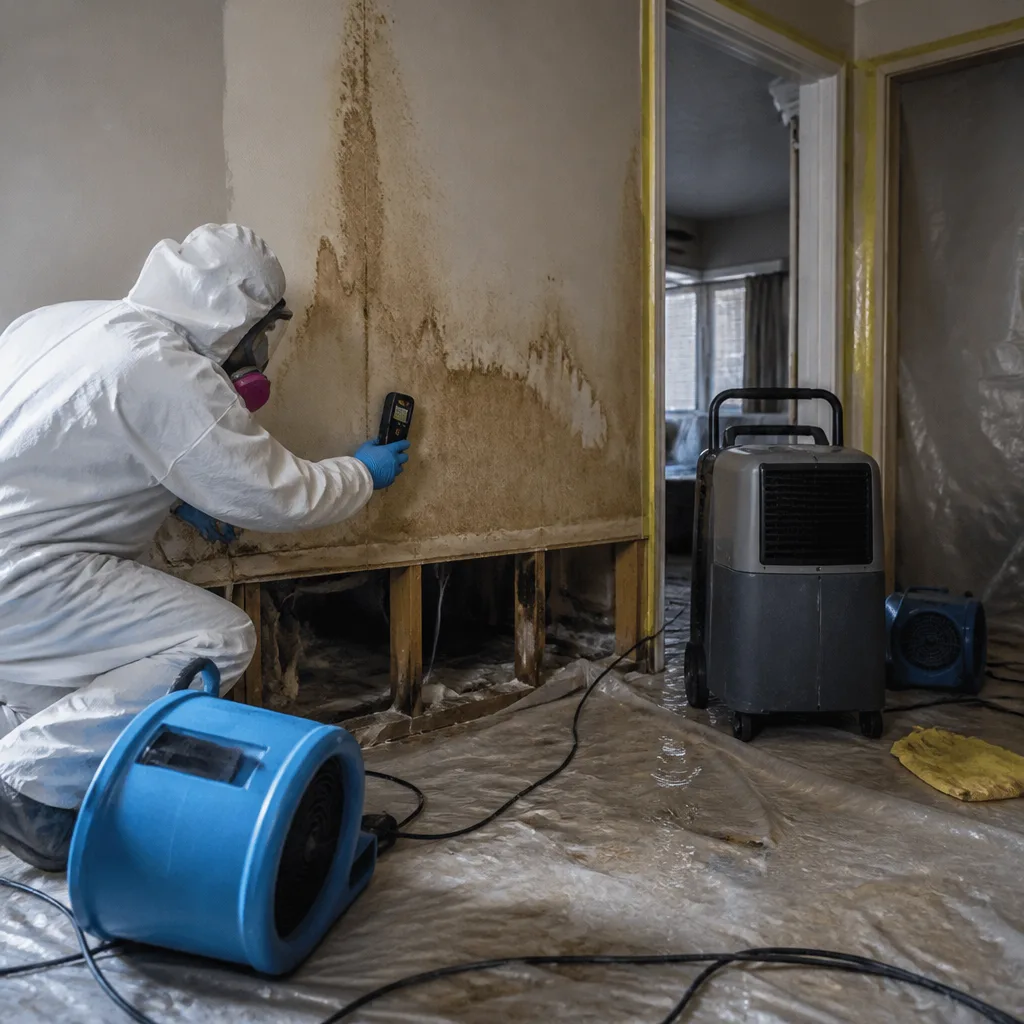 Before
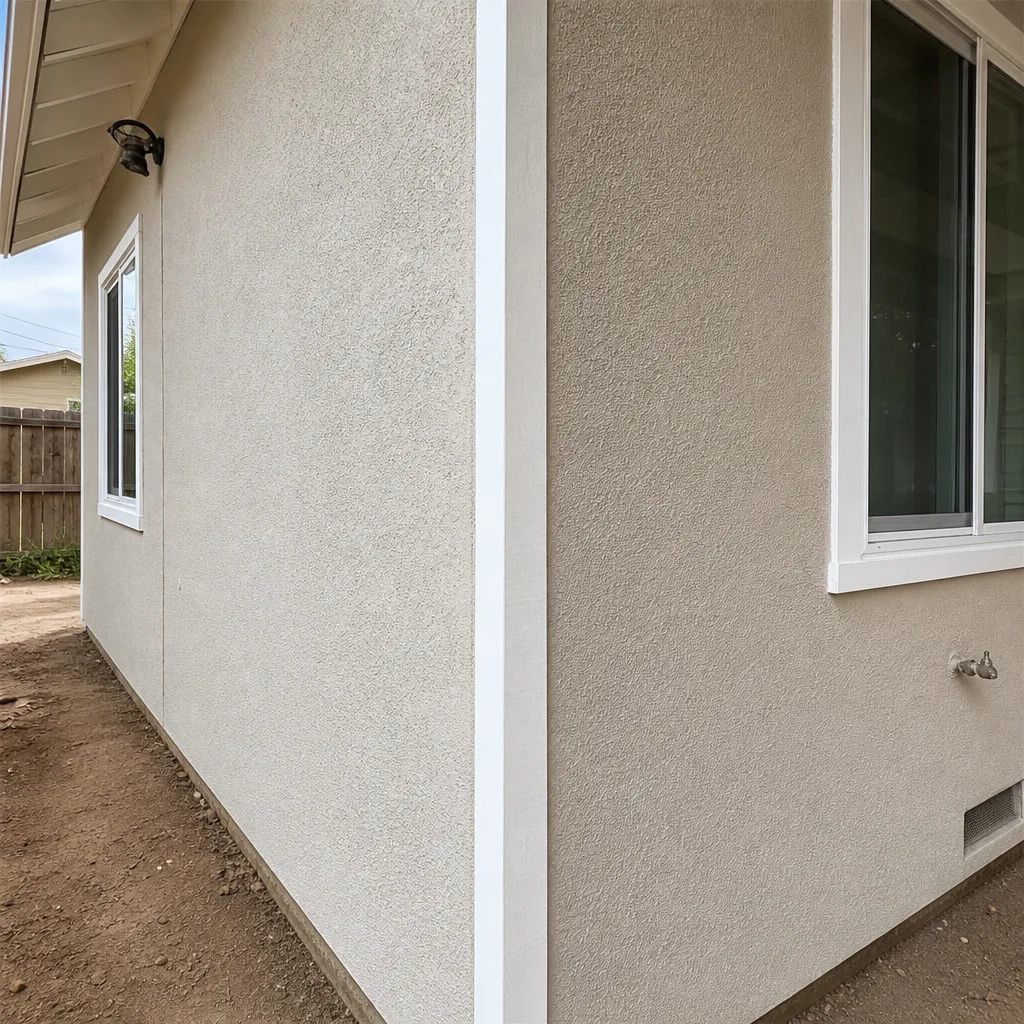 After
After