
Last updated October 16, 2026
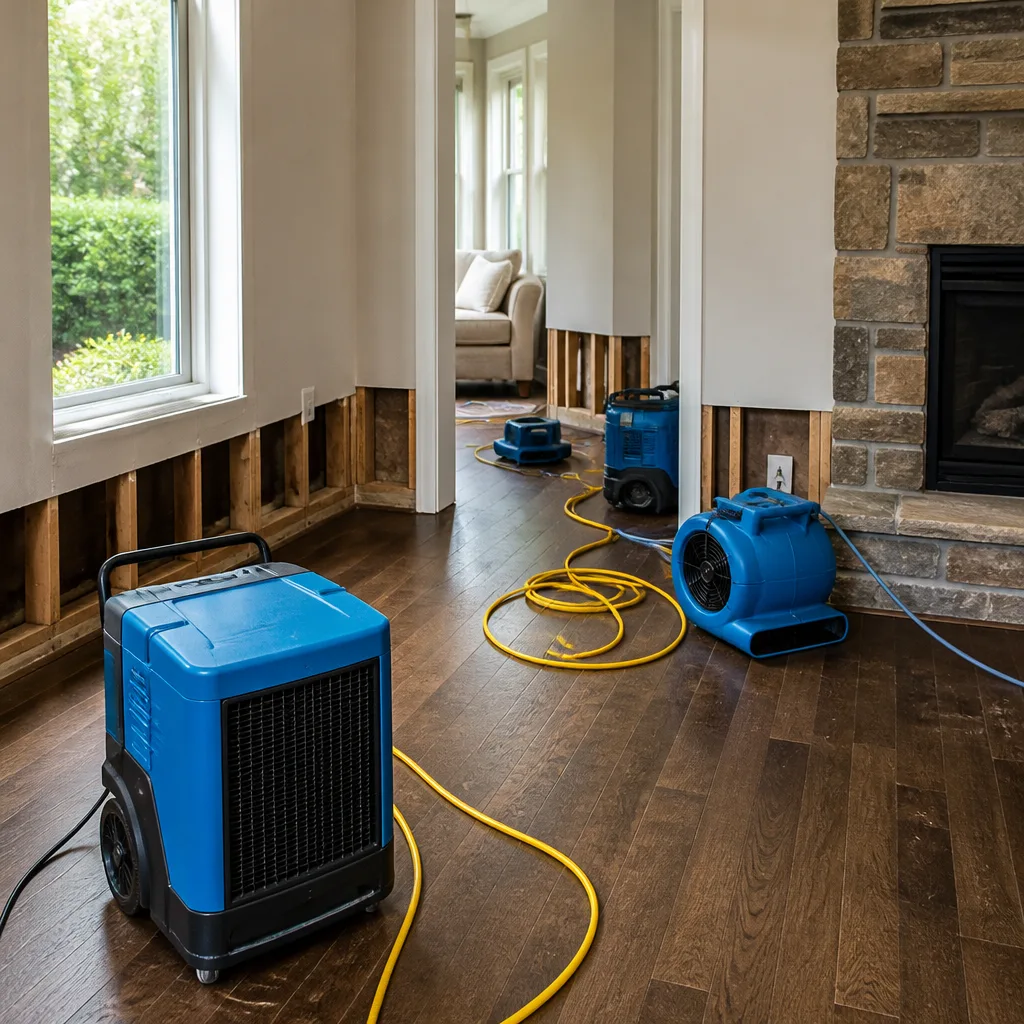 Water damage drying
 Fire & smoke cleanup
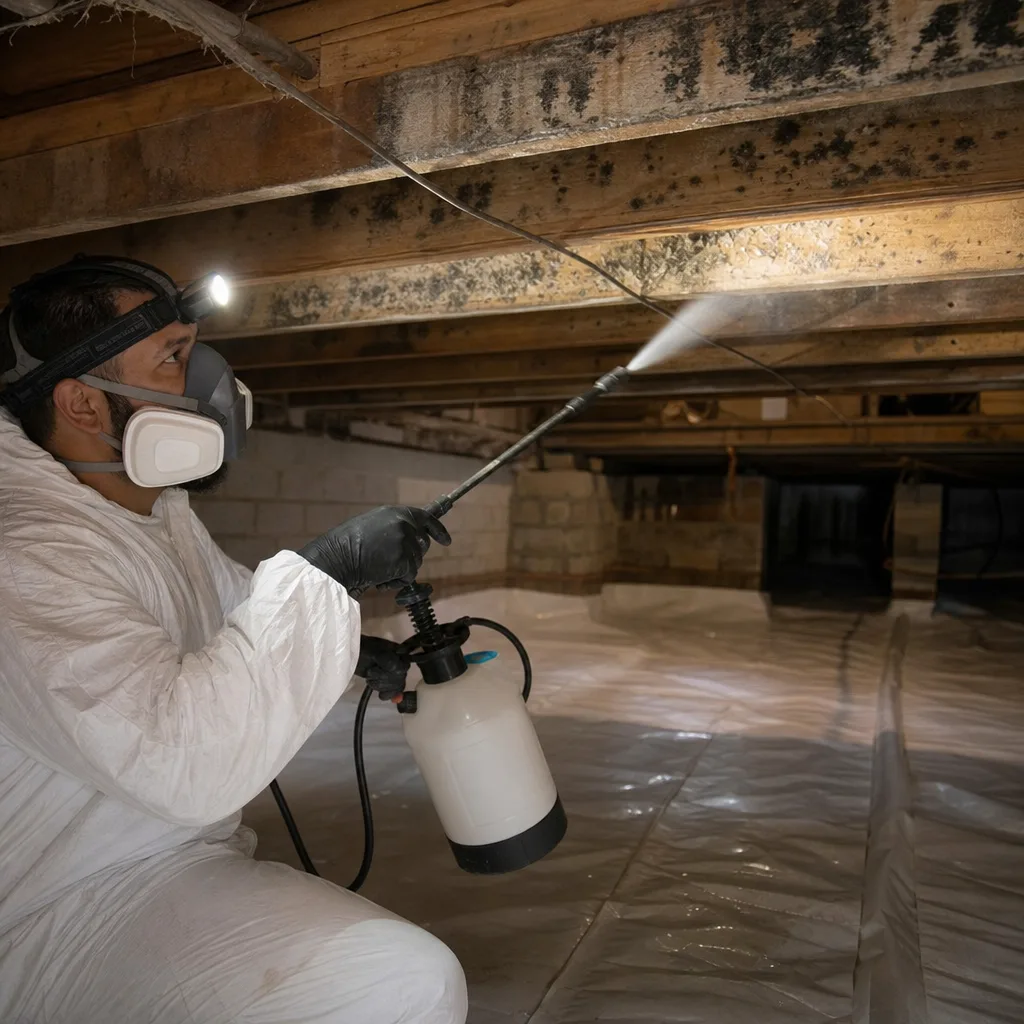
 Mold remediation
 Storm response
 Sewage cleanup
 Reconstruction
Free visual inspection and a written scope of work before any mitigation begins - photos, moisture readings, and drying logs go in your claim file
The scope we write is the scope we bill. Anything new gets shown to you, in writing, before we touch it.
Get your free estimateDamage Restoration Cost Breakdown: The Riverside Homeowner’s Reference for 2026
Walk into any three Riverside kitchens after a supply line lets go, and you’ll find three wildly different repair bills. One homeowner pays $900. Another pays $4,200. A third is looking at $14,000. Same city, same basic failure. The difference is rarely the plumber. It’s the material the water sat on, what the water touched, and how many hours passed before the call went out. This guide breaks restoration cost down by the four variables that actually move the number, using Riverside labor rates, Riverside building stock, and the kinds of failures our technicians see most often in neighborhoods from the Wood Streets to La Sierra.
Restoration work we handle
Quick Answer
Water damage restoration in Riverside costs between $950 and $6,500 for a typical single-room incident in 2026, with most Category 2 bathroom leaks landing around $2,800 to $4,200. The final number is driven by four factors: square footage affected, the material category that got wet, the water category involved, and the hours elapsed before call-out. A written, itemized quote should be available before any work begins.
Table of Contents
- The Four Cost Drivers That Actually Move the Number
- Material Categories: Why Concrete Costs a Third of Hardwood
- Riverside Labor Rates and the Los Angeles Quote Trap
- A Real Line-Item Breakdown: Category 2 Bathroom Leak
- Insurance, ACV vs. RCV, and Why Direct Billing Matters
- How to Read a Written Quote Without Getting Taken
- Common Mistakes to Avoid
- When to Call a Professional
- Frequently Asked Questions
- The Bottom Line
The Four Cost Drivers That Actually Move the Number
Most restoration cost guides open with a spread so wide it’s useless for budgeting. A range of $1,200 to $12,000 doesn’t help a homeowner decide whether to file a claim or pay out of pocket. In our experience restoring homes across Riverside, the real number comes from four variables. Every reputable restoration company prices against them, whether or not the estimate spells it out. Learn these four, and you can build a defensible rough estimate before anyone steps through your front door.
Driver 1: Affected square footage. This is the one everyone assumes dominates the quote, and it matters less than you’d think. A 40-square-foot bathroom floor with water wicking into a side wall costs more to address than 80 square feet of open slab in a garage, because of the next variable. Square footage scales linearly; material complexity scales geometrically.
Driver 2: Material category. A concrete slab has no cavity to trap moisture. A hardwood subfloor is a sponge sandwiched between a finished surface and whatever lies beneath. A drywall assembly wicks upward and hides water behind baseboards. The material determines what can be dried in place versus what gets cut, removed, and rebuilt. More on this in the next section, because it’s the single largest cost variable.
Driver 3: Water category. Clean water from a supply line is Category 1. Slightly contaminated water from a washing machine or dishwasher overflow is Category 2. Sewage, storm backflow, or water that sat long enough to grow bacteria is Category 3. Each category up adds antimicrobial treatment, containment, and in Category 3, full disposal of porous materials and PPE for the crew. Category 3 in a Riverside crawl space can triple the cost of the same square footage in Category 1, and no amount of drying will turn Category 3 back into Category 1.
Driver 4: Elapsed time. A Category 1 leak caught within hours can be dried in place with extraction and dehumidification. That same water sitting for three days becomes Category 2, and mold remediation costs in Riverside often enter the conversation. Every hour matters. Not because of panic, but because water does not stop traveling just because the visible puddle is gone.
- Square footage sets the floor of the quote.
- Material category sets the ceiling.
- Water category sets the protocol.
- Elapsed time compounds everything.
Nothing else about the home, not the paint color, not the age of the house, not the view from the kitchen window, moves the number like these four. A good estimator knows that. A great estimator explains it to you, in writing, before work starts.
Material Categories: Why Concrete Costs a Third of Hardwood
Here is the sentence that most cost guides never write: drying a concrete slab in a Riverside home costs roughly one-third of what drying a hardwood subfloor assembly costs per square foot. The reason is simple physics. Concrete holds water at the surface and releases it under negative air pressure. Hardwood traps water in a tongue-and-groove cavity, and those cavities stay wet long after the visible surface looks fine. The material dictates the equipment, the drying window, and the labor hours.
Concrete and tile on slab. Common in Riverside homes built from the 1950s through the 1970s, and newer tracts in Orangecrest and Mission Grove. Water sits on the surface or finds its way into grout lines. Extraction with a weighted tool pulls most of it up. A few dehumidifiers and air movers from a brand like Dri-Eaz handle the rest. Typical cost: $2.50 to $4.50 per square foot dried in place. No demolition, no rebuild.
Hardwood and engineered wood over subfloor. Water finds the gap between the finished floor and the subfloor. The cavity traps moisture. Sometimes the hardwood can be saved with Injectidry mat systems that pull vapor from beneath. More often, warped or cupped boards get pulled, the subfloor gets dried, and the area gets rebuilt. Typical cost: $8 to $14 per square foot when replacement enters the picture, between the tear-out, drying time, and new material.
Drywall assemblies. Water wicks up behind baseboards and into wall cavities. Cuts in Riverside homes typically run 2 to 4 feet up the wall, since that’s where the tide mark shows saturation. The drywall comes out, the cavity gets dried, antimicrobial is applied, and new drywall, texture, and paint go back in. This is where the line item list starts growing. Typical cost: $550 to $1,100 per affected wall section, including rebuild.
| Material | Typical Square-Foot or Section Cost | What Drives It |
|---|---|---|
| Concrete slab, dry in place | $2.50 – $4.50 per sq ft | Extraction, air movement, dehumidifiers |
| Tile over slab, dry in place | $3 – $5 per sq ft | Grout line absorption, longer dry time |
| Hardwood over subfloor | $8 – $14 per sq ft with rebuild | Tear-out, subfloor drying, new flooring |
| Drywall cavity, single wall | $550 – $1,100 per section | Cut-out, cavity drying, drywall, texture, paint |
| Crawl space, overflow | $1,800 – $4,500 per incident | Access, containment, vapor barrier replacement |
A tide mark is the line water leaves on a wall. It is the first thing our technicians look for on every job. Where the tide mark ends tells you how much drywall comes out. Where the water went past it tells you how much drying happens after. The material just decides whether anything is salvageable in the first place.
For a deeper look at how drying works in practice, see our guide to Water Damage Restoration in Riverside.
Riverside Labor Rates and the Los Angeles Quote Trap
Riverside homeowners sometimes compare local quotes against numbers they find on Los Angeles forums or from a cousin in the San Fernando Valley. That comparison leads to sticker shock, and it’s not because Riverside restoration companies are overpriced. It’s because LA quotes reflect LA commercial insurance premiums, LA traffic-strained scheduling, and LA permitting friction. Riverside’s Inland Empire restoration market runs 10 to 18 percent below comparable Los Angeles County pricing on most line items, which means a quote that feels high here would be a bargain in Burbank.
What you’re paying for in Riverside, outside of materials and equipment, is a certified technician’s hour. IICRC certification is the industry standard for water damage restoration, and the training covers more than fans and gadgets. It covers psychrometry, the science of how moisture moves through building materials under pressure, temperature, and humidity load. A technician who understands psychrometry doesn’t guess at dry times. They calculate them.
Labor in Riverside for restoration work generally runs $65 to $110 per technician per hour, depending on certification level and whether the job involves Category 3 containment. That’s not a rate you negotiate down. You’re paying for the person who knows how to keep water from migrating behind your cabinets. What you should verify, and we mean verify in writing, is how many hours the estimate budgets. Two technicians for eight hours is sixteen billable hours. If the scope is a small bathroom leak, that’s too many. If it’s a flooded crawl space, it’s not enough.
We’ve seen quotes from out-of-area crews parked at Riverside motels, scheduled through a referral network, priced like West LA. The work might be fine. The price doesn’t have to be. Local companies know Riverside conditions: hard water from city mains that accelerates pipe fatigue, summer heat that pushes drying faster and winter damp that slows it, and older neighborhoods like Magnolia Center where cast-iron drains and salt-jointed clay pipe meet in crawl spaces that no GPS map accurately describes. None of that shows up in a call-center quote.
If you’re reviewing a quote that itemizes labor hours, ask who’s on your crew and what credential they hold. RIA and IFA add another layer of industry-specific training. You want the person with the hygrometer to be the same person who understood the drying science on the exam, not a day laborer handed a machine. That’s what separates a real Tidemark Water Damage Riverside home experience from a franchise logo parked at the curb.
A Real Line-Item Breakdown: Category 2 Bathroom Leak
Let’s put specific numbers on a scenario our crews see regularly in Riverside: a braided supply line to a first-floor toilet fails overnight. Water runs for hours before anyone notices. The water is Category 2 by the time the homeowner wakes up, because it has passed through the cabinet base and picked up whatever lives under a bathroom sink. The floor is tile over a wood subfloor. The water has wicked into the wall behind the toilet. Here’s what a legitimate written quote looks like in itemized form, using local 2026 pricing.
- Water extraction and initial assessment: $175 – $250. This covers shutting off the line, pulling standing water with a truck-mounted extractor, and mapping moisture with a thermal imaging camera and moisture meter. Includes documenting the tide mark for the insurance file.
- Equipment deployment and monitoring: $45 – $75 per day. A typical bathroom leak needs 2 to 4 air movers, one dehumidifier from Phoenix or XPOWER, and a negative air machine if containment is required. Monitoring runs 3 to 5 days. Budget roughly $400 – $600 for this line.
- Antimicrobial treatment and drying verification: $150 – $300. After the cavity is dry, an EPA-registered antimicrobial is applied to the exposed framing. This is the line item that prevents the “why does my bathroom smell like a locker room” call six months later.
- Drywall removal and rebuild: $550 – $1,100. One wall section, cut at the tide mark, replaced with new drywall, texture-matched, and primed. Paint is sometimes in this line, sometimes separate.
- Final clearance and photo documentation: $50 – $100. A photo of the clean-up is taken and shared before the crew leaves. That’s a standard step in our process, not an add-on, because the homeowner should see exactly what was done and how it was left.
Total: roughly $2,800 to $4,200, with the spread driven by how many days the equipment runs and how much drywall comes out. That’s the number. Not $1,200 from a vague one-page bid, and not $12,000 from a company that starts cutting before it explains.
Our approach is the same on every job: a written price before any work starts. No exceptions. If you’d like help walking through an estimate you’ve been handed, the Water Damage Restoration in Riverside team can walk you through what each line means.
Insurance, ACV vs. RCV, and Why Direct Billing Matters
Most Riverside homeowners dealing with water damage are dealing with their insurer at the same time. Understanding two policy terms will tell you more about your out-of-pocket exposure than any online cost guide ever will. The terms are Actual Cash Value and Replacement Cost Value, and they are not the same thing.
Actual Cash Value (ACV) pays out the depreciated value of the damaged materials. A carpet that cost $1,800 five years ago might pay out $500. Somewhere in the claim, depreciation is subtracted based on the age and condition of the item.
Replacement Cost Value (RCV) pays what it costs to replace the damaged materials at today’s prices. If you have RCV coverage, the insurer typically issues an initial ACV payment after the claim is approved, then releases the depreciation once the work is complete and receipts are submitted. The gap between ACV and RCV is the “recoverable depreciation” your adjuster will not always volunteer to explain.
Direct billing changes the timeline entirely. When a restoration company bills the insurance carrier directly, the homeowner is not floating thousands of dollars while waiting for a check. Not every company offers this, and it’s worth confirming before you sign anything. It’s also worth confirming before you sign an Assignment of Benefits, the AOB document that transfers your insurance claim rights to the contractor. AOBs are legal in California, but signing one gives the contractor control of your claim and your settlement. If the scope grows mid-job, you want to be the one approving it, not someone who now has no incentive to keep the number down. Our standard practice in Riverside is a written scope agreed before work begins, a change order for anything beyond that scope, and no AOB signed unless the homeowner has had it reviewed and fully understands what rights they’re transferring.
A few practical steps for the insurance conversation:
- Call your insurer the same day. Most policies have a mitigation duty. Delaying reasonable mitigation can jeopardize a claim.
- Take photos before anything moves. Then take more after. Your adjuster will ask.
- Ask whether your policy is ACV or RCV. Write down the answer and the name of the representative who gave it.
- Ask about mitigation limits. Some policies cap mitigation at a percentage of the dwelling limit.
- Get the scope in writing before work starts. The restoration company’s estimate and the adjuster’s estimate should look similar. If they don’t, someone is missing something.
For mold-specific concerns that arise after water damage, our guide to Mold Remediation in Riverside covers what insurance will and won’t touch.
How to Read a Written Quote Without Getting Taken
The phrase “written price before work starts” is the single most important protection a homeowner has in the restoration process. It’s also the easiest thing to fake. A one-page bid that says “water mitigation: $6,400” is technically written. It’s also useless. Legitimate quotes in this industry are itemized, scoped, and specific. Here’s what separates a real estimate from a vague lump sum.
Legitimate line items read like a recipe. They name the equipment (dehumidifier, air mover, injection drying mat), the count of each, the daily rate, the expected number of days, and the square footage covered. A line reading “dry to IICRC standards” is not a line item. A line reading “2x Dri-Eaz LGR 7000XLi dehumidifiers, 5 days, $58/day each” is a line item.
Vague quotes hide scope creep. The business model is this: quote low to get the job started, then start writing change orders once the walls are open. The homeowner, now with a bathroom torn apart and no working toilet, approves anything. This is known in the industry and it is not how we operate. The answer is not to accept vagueness and hope. The answer is to ask, before anyone touches anything, what the next three likely change orders would cost if the scope grows. A good company can tell you. A bad one gets uncomfortable.
What to verify, step by step:
- Is the company licensed and insured, and is the insurance current? In California, restoration contractors doing work over $500 need a contractor’s license. Ask for the number and check it with the Contractors State License Board.
- Does the quote list equipment by brand and count? Professional-grade drying equipment from Dri-Eaz, Phoenix, XPOWER, B-Air, and Injectidry is what should be on the truck. If the quote doesn’t name equipment, ask why.
- Does the quote break out labor hours and labor rate? A total labor line without hours tells you nothing. Ten hours at $90 is $900. Thirty hours at $90 is $2,700. You should see the hours.
- Are the technician credentials named? IICRC, RIA, IFA. Certifications set the industry benchmark. If the quote doesn’t reference them, the company may not hold them.
- Is the scope limited in writing? A quote that says “dry affected area” is an invitation to bill unlimited days. A quote that says “dry bathroom floor, 12×16, Category 2, 4 days equipment, final verification with moisture meter at 72-hours post-setup” is a scope you can hold someone to.
Somewhere in the quote process, you should hear the words “what we protect and how.” Shoe covers go on at the door. Drop cloths cover the floor before the first piece of equipment comes in. The crew should ask before moving anything, and they should respect quiet hours if you have kids at nap time or a dog who hates the sound of an air mover. Pet-safe drying agents where there is a choice. Lower-decibel settings during school hours. These are not extras. These are what a professional restoration company in Riverside does without being asked.
When we hand over a written quote at Tidemark, it comes with a walk-through of what each line means and why it is priced the way it is. The 365-Day Done Right Promise is not a sales hook. It means if the restoration is not done right, we make it right. That sentence is worth more than a thousand words of vague reassurance, and we keep it that simple. Our Fire Damage Restoration in Riverside process follows the same written-price-first approach, because a fire job without itemization is impossible to manage.
Common Mistakes to Avoid
- Calling the insurance company first and the restoration company second. Insurers don’t send drying equipment. A Riverside home with a Category 2 leak needs extraction and drying started same-day, not after an adjuster returns a call on Monday. Call the restoration company, get mitigation started, and document everything for the claim.
- Paying a large deposit before work starts. Legitimate restoration companies in the area don’t ask for half up front on a water loss. Insurance claims flow through direct billing. If a contractor demands $3,000 cash before they’ll unload equipment, find someone else.
- Signing an AOB without reading it. Assignment of Benefits gives the contractor control of your claim and your settlement check. In some cases the contractor then inflates the scope and fights the insurer on your behalf, with your claim as the battleground. Read the document. Ask a lawyer or your agent. Understand what you are signing.
- Drying only the visible area. Water travels down and out. In a bathroom leak, it goes under the tile, into the subfloor, behind the baseboard, and sometimes into the wall cavity on the other side of the room. Riverside humidity in late summer slows drying in enclosed cavities. Drying the visible puddle and calling it done is not dry.
- Rejecting the drywall cut because it’s ugly. If a thermal camera shows water in the wall cavity, the drywall has to come out. There is no way to dry a closed cavity without opening it. The repair is part of the job and a good company rebuilds, textures, and primes so the room looks the way it did before.
- Choosing the lowest bid on a mitigation job. Mitigation is not a commodity. Equipment brands differ, technician credentials differ, and the “lowest bid” often has the least equipment and the fastest crew. You’re not buying a car. You’re buying dry framing, dry subfloor, and a home that doesn’t smell like a locker room in three months.
- Waiting to address a small stain or musty smell. A tide mark you can see is water you can see. Water you can’t see but can smell means it’s already behind something. In Riverside’s older homes, a musty smell in a hallway often traces back to a leak in a bathroom that ran three weeks before anyone noticed. The earlier the call, the less drywall comes out and the less everything costs.
When to Call a Professional
Some situations call for a professional restoration company, full stop. If water has been running for more than a few hours, if it has touched drywall or flooring materials beyond surface tile, or if the water source is anything other than a clean supply line, a professional brings equipment you cannot rent at the hardware store and the training to use it without turning a small problem into a big one. If you see warping, bubbling, or discoloration at the baseboards, if a musty odor appears within days of a leak, or if water has traveled into a wall or under flooring, call. If the water is gray or black, meaning it came from a drain, appliance, or sewage line, do not attempt any cleanup yourself. Containment and PPE are not optional at that point.
Tidemark Water Damage Riverside offers free estimates in Riverside, and our live phone support answers 24 hours a day, 7 days a week. Visit our blog for more guides & resources on protecting your home. Call (341) 212-7342 and a real person will pick up. We’ll walk through what you’re seeing, what it likely means, and what a fair scope should look like, before anyone commits to anything.
Frequently Asked Questions
Expect between $950 and $6,500 for a typical single-room water loss in Riverside, with most Category 2 bathroom leaks landing around $2,800 to $4,200 when extraction, drying equipment, antimicrobial treatment, drywall repair, and final clearance are all itemized. The number is driven by square footage, material type, water category, and elapsed time. Call (341) 212-7342 for an exact quote, estimates are free.
Insurance covers sudden and accidental water damage, such as a supply line failure or an appliance overflow, subject to your deductible and policy limits. Gradual damage from a slow leak that ran for weeks is generally not covered. Whether you’re paid ACV or RCV depends on your policy language, and it’s worth asking the adjuster which applies to your claim before you approve a scope of work.
At Tidemark Water Damage Riverside, calls are answered by a live person 24/7, not a voicemail, and we dispatch technicians from within the Riverside area. For active water losses, same-day dispatch is standard. For mold inspections and non-emergency assessments, we typically schedule within one business day. Call (341) 212-7342 to get someone on the way.
Mitigation is the emergency phase: extracting water, setting drying equipment, and preventing further damage. Restoration is the rebuild phase: replacing drywall, flooring, and finishes once everything is dry. Riverside quotes should break these out separately, because mitigation is typically billed against one insurance line item and rebuild against another.
A shop vac will pull visible water, but it will not extract water trapped under tile, inside a wall cavity, or within a hardwood subfloor. Household fans do not lower humidity the way a desiccant or low-grain refrigerant dehumidifier from Dri-Eaz or Phoenix does. Surface drying a water loss without addressing hidden moisture is how mold problems in Riverside get their start. If the water touched anything beyond a bare slab, call a professional.
A professional restoration company protects surfaces before equipment comes in. We lay down drop cloths before the first piece of equipment, wear shoe covers at the door, and ask before moving anything. Pet-safe products are used where there is a choice, and we lower decibel settings during school hours and nap time. A photo of the clean-up is taken before the crew leaves, so there is a record of how the home was left.
The Bottom Line
Water damage restoration pricing in Riverside comes down to four things: how much square footage got wet, what the wet material was, what category the water was, and how long it sat. Learn to read a written quote against those four variables and you will never be blindsided by a scope change. The best protection is a written price before work starts, equipment named by brand and count, labor itemized by hour, and a company that stands behind the work after the crew leaves. For related guidance, see our article on Damage Restoration Permits, Codes & Inspections in CA: What You Need to Know. That’s how we operate, and it’s the standard every Riverside homeowner should hold when water enters the house. Call (341) 212-7342 for a free estimate from a team that explains the number before anyone picks up a tool.
Written by Rick Sumner, Owner at Tidemark Water Damage Riverside, serving Riverside since 2006.
See the difference
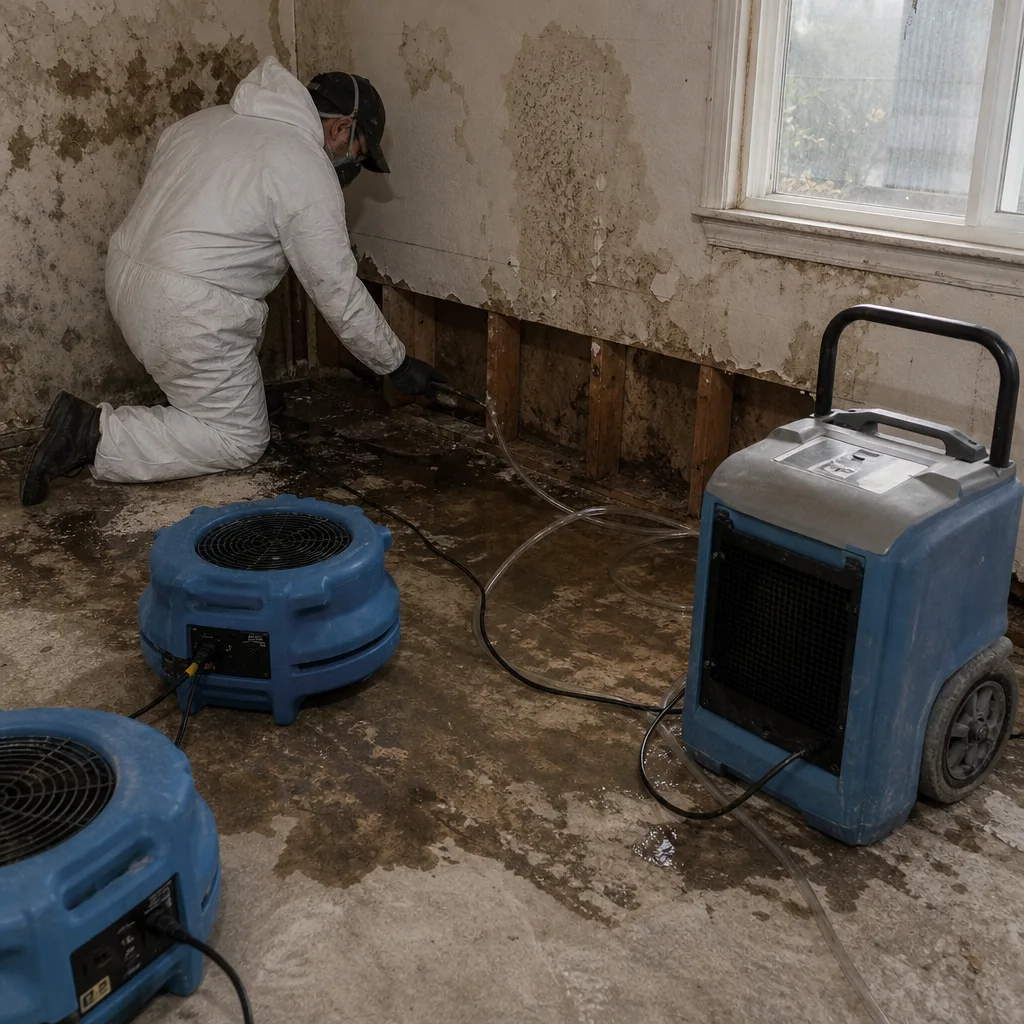 Before
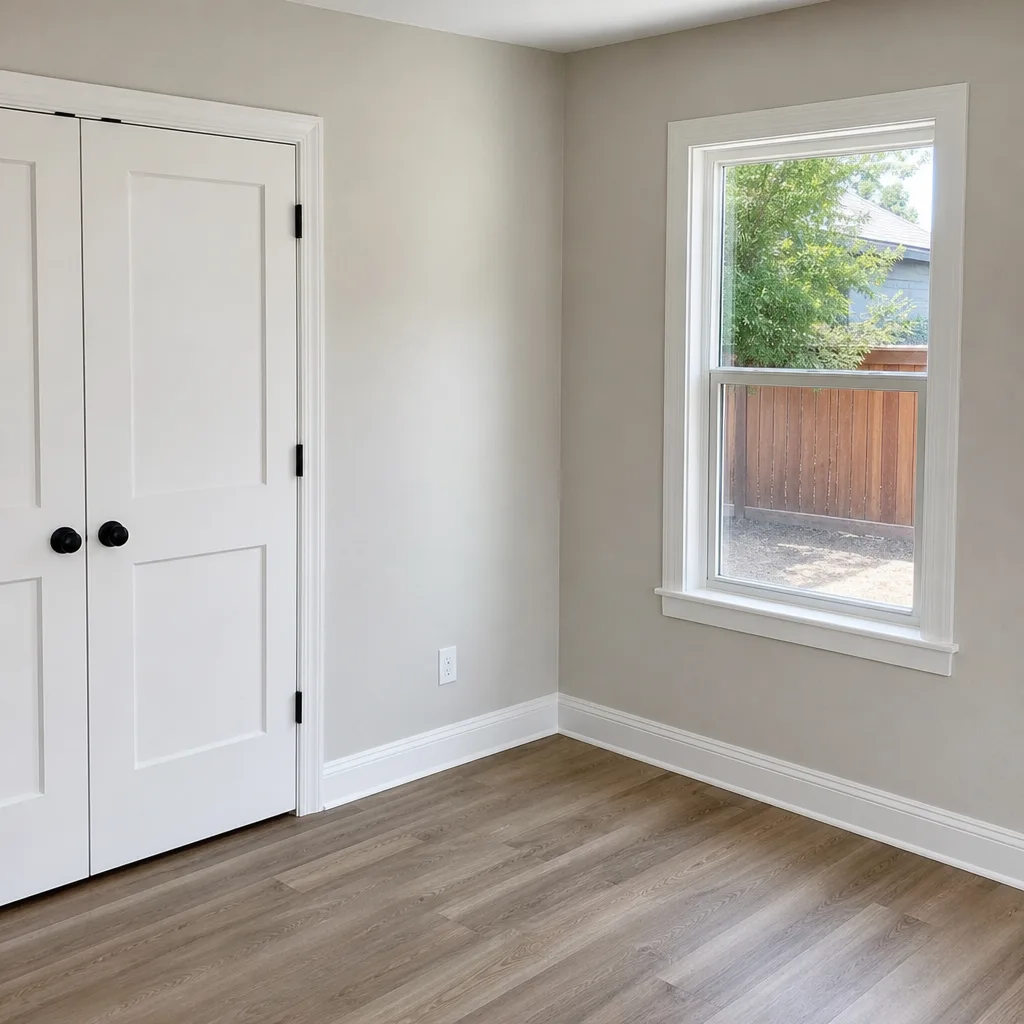 After
After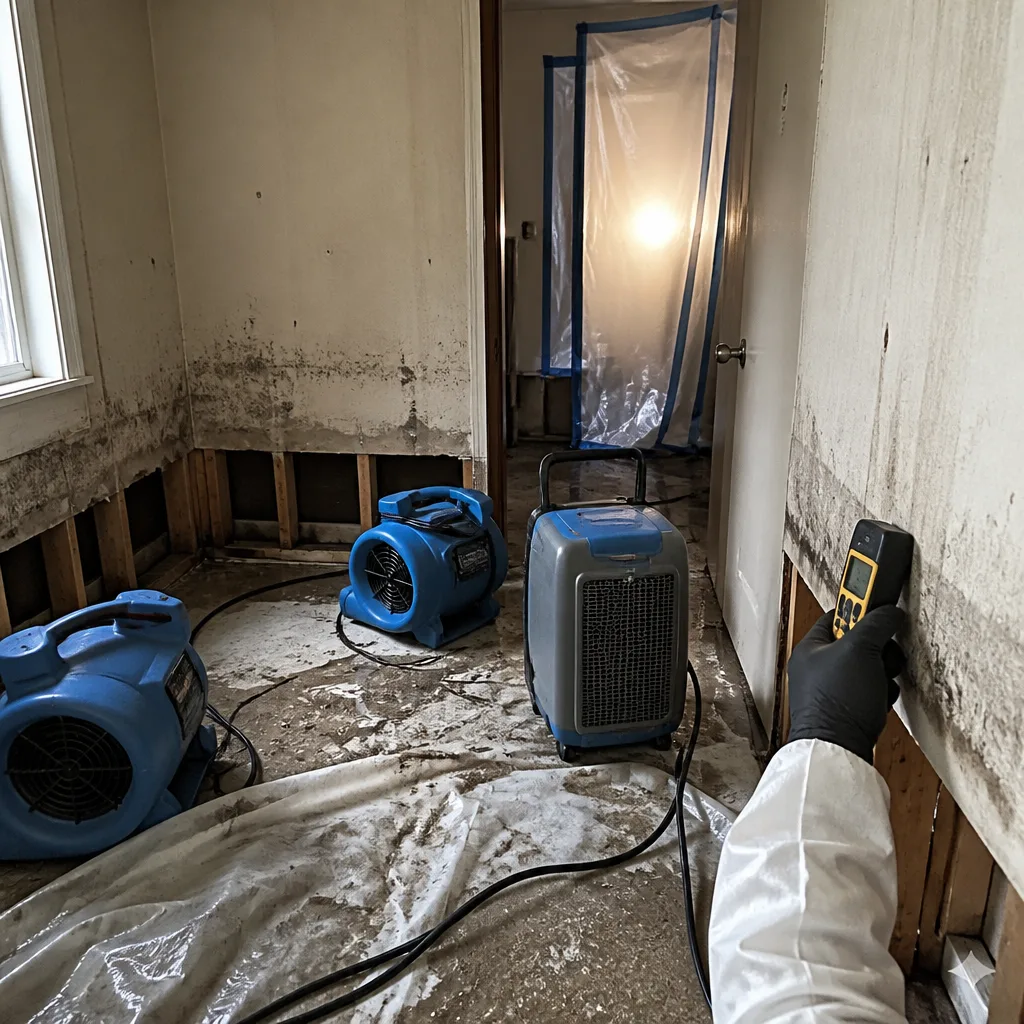 Before
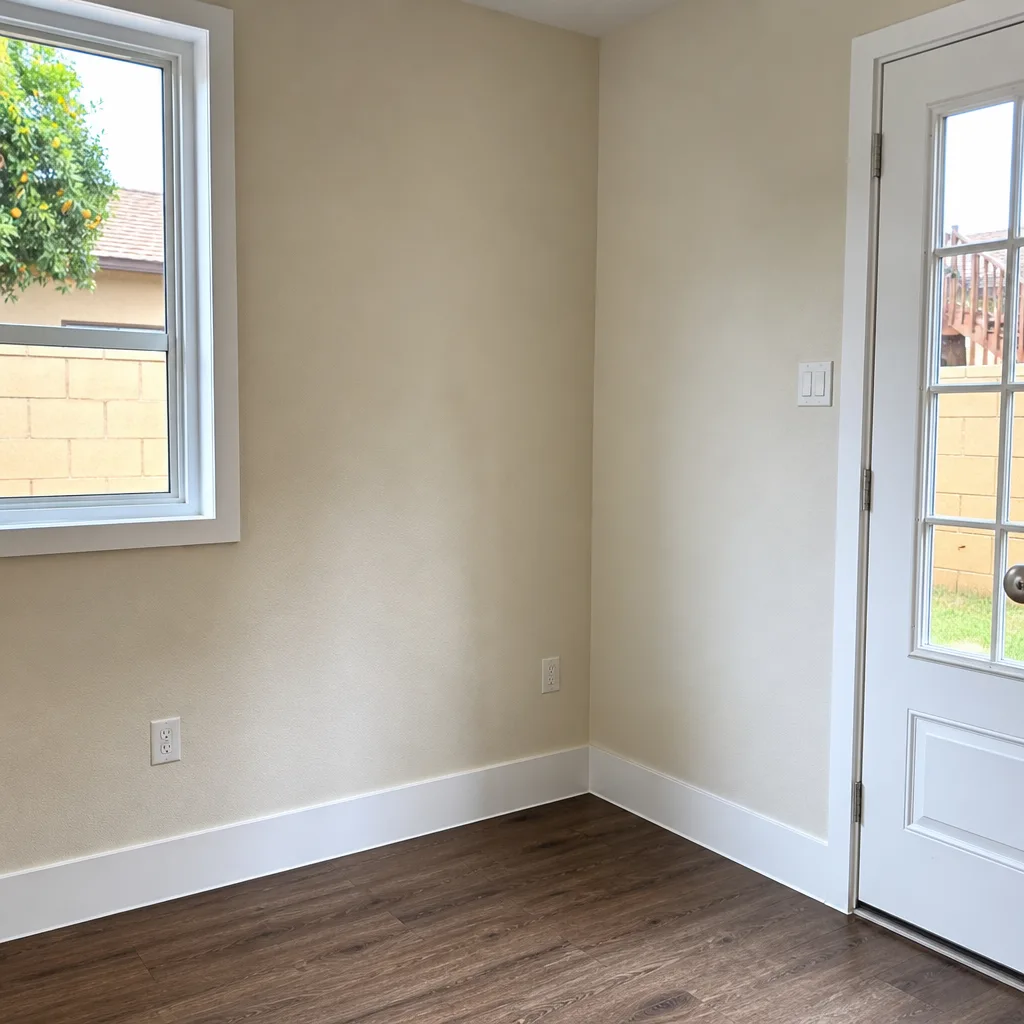 After
After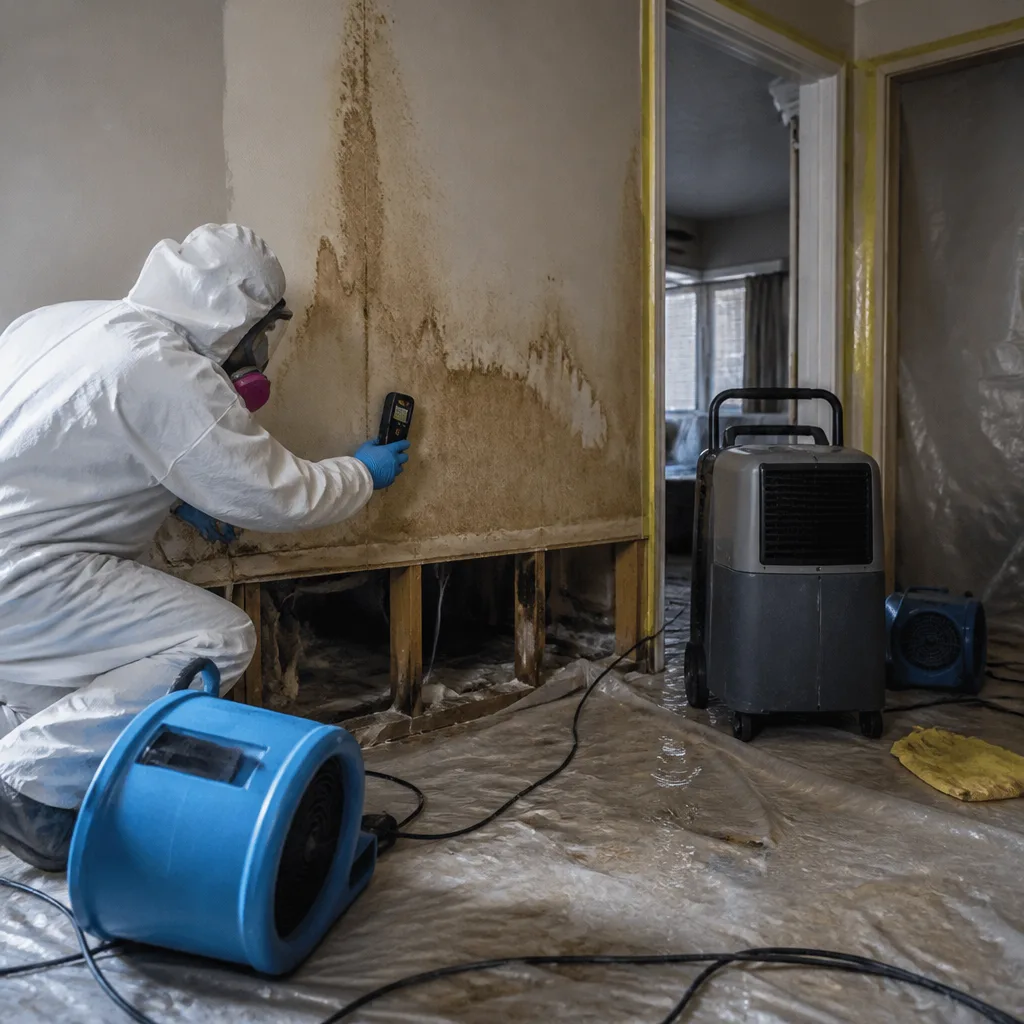 Before
 After
After