
Last updated October 16, 2026
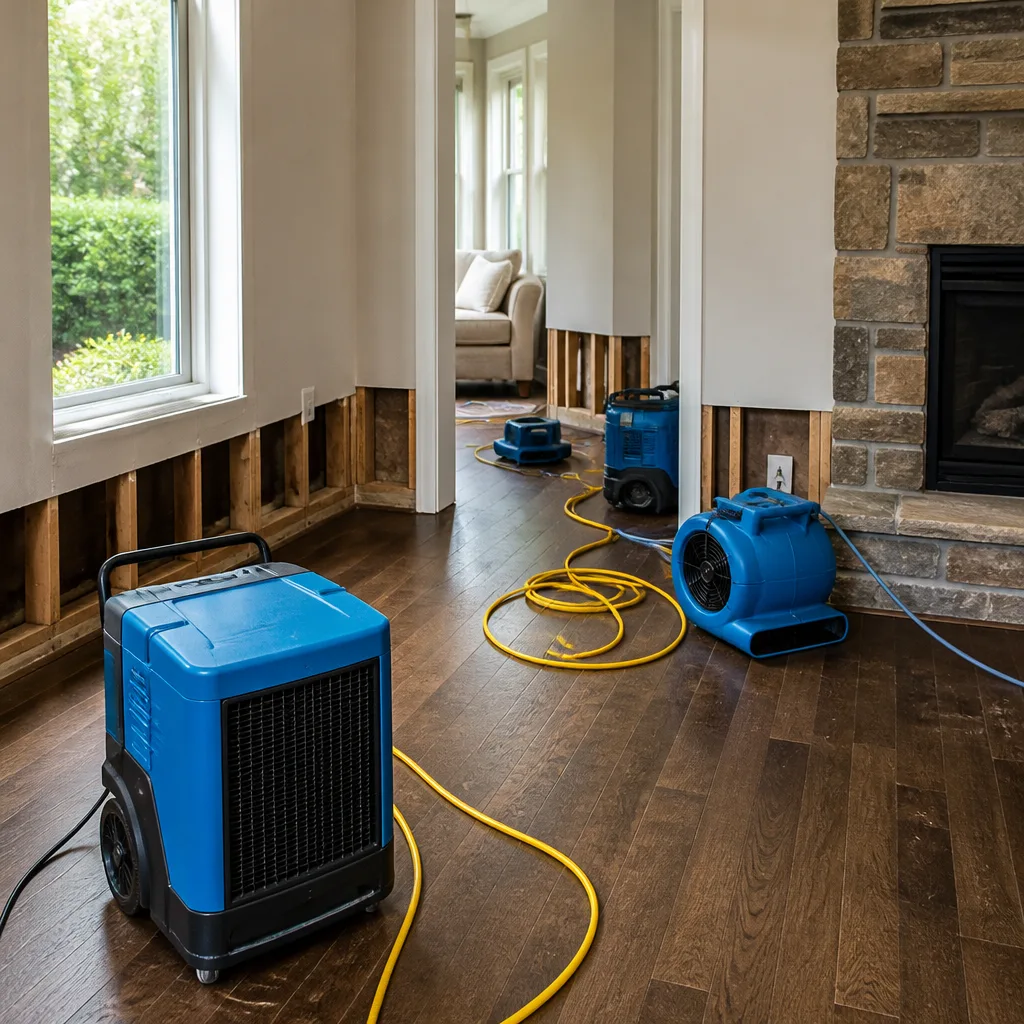 Water damage drying
 Fire & smoke cleanup
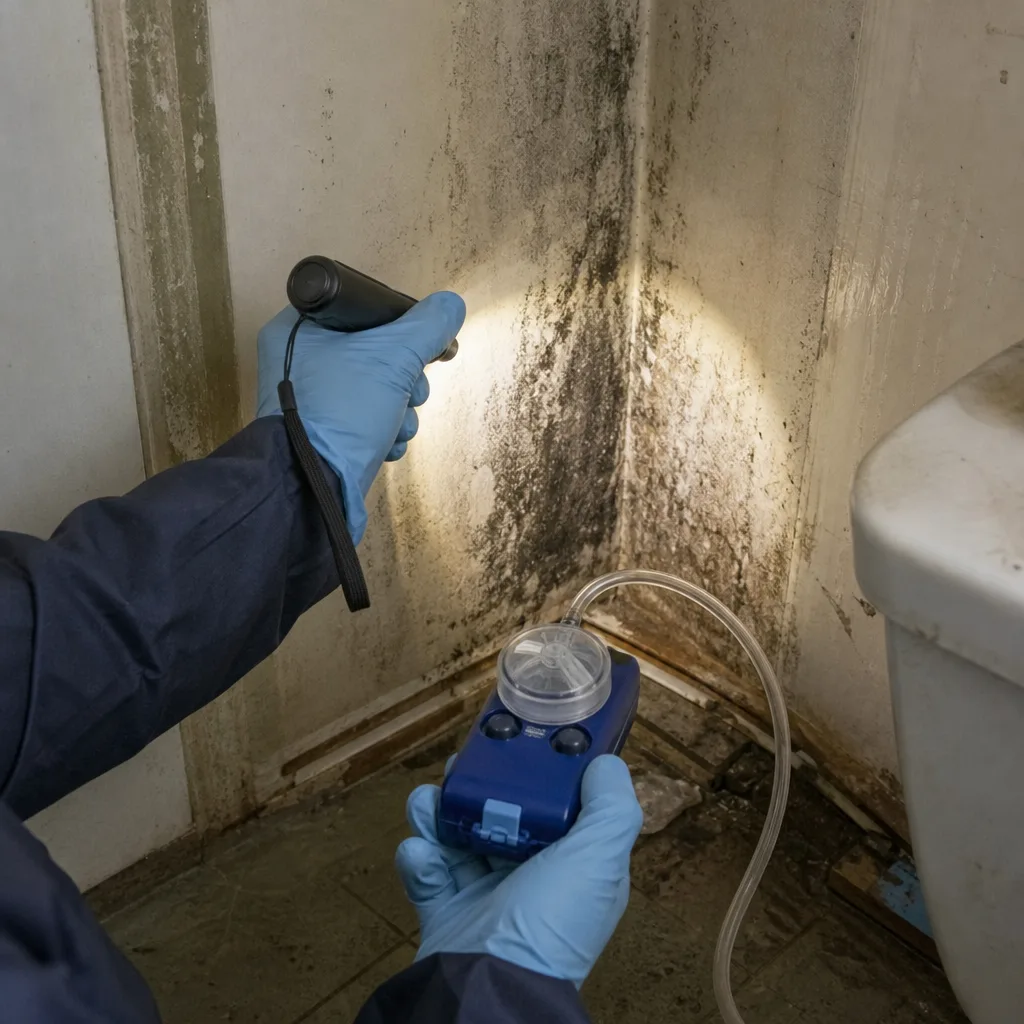
 Mold remediation
 Storm response
 Sewage cleanup
 Reconstruction
Free visual inspection and a written scope of work before any mitigation begins - photos, moisture readings, and drying logs go in your claim file
The scope we write is the scope we bill. Anything new gets shown to you, in writing, before we touch it.
Get your free estimateDIY vs Professional Damage Restoration: The Riverside Homeowner’s Decision Guide
The commercial LGR dehumidifier a restoration technician rolls into your living room removes 130 to 150 pints of water from the air every day. The consumer unit you can rent from the home improvement store on Tyler Street manages about 30 pints on a good day. That gap, roughly four to one, is not a convenience detail. It is the difference between dry drywall and a colony of Stachybotrys taking hold behind baseboards throughout your Riverside home. This guide walks you through the real decision framework: water category, material porosity, and hours elapsed since the water event, so you can decide with confidence instead of cost alone. For more guides & resources, visit our blog.
Restoration work we handle
Quick Answer
DIY restoration is genuinely reasonable when you have a small clean-water spill on a non-porous surface (like tile or sealed concrete) that you catch and begin drying within two hours, with no drywall, subfloor, or insulation involved. Everything else, any gray or black water, any drywall or subfloor saturation, any event older than 24 hours, calls for professional restoration in Riverside with commercial drying equipment and verified moisture readings. If you’re unsure how to choose the right team, read our guide on How to Hire a Damage Restoration Contractor in Riverside: A Step-by-Step Guide. The cost difference between DIY and professional work is nearly always smaller than the cost of the mold remediation that follows a stopped-early dry.
Table of Contents
- The Three-Variable Decision Matrix
- What Consumer Equipment Can and Cannot Do
- Water Categories Explained: Clean, Gray, and Black
- Material Porosity: Why Tile and Drywall Are Not the Same Problem
- The Hidden Cost of DIY: Insurance and Mold
- Riverside’s Dry-Climate Illusion
- When DIY Is Genuinely Reasonable
- When Professional Response Is Non-Negotiable
- Common Mistakes to Avoid
- When to Call a Professional
- Frequently Asked Questions
The Three-Variable Decision Matrix
Every water damage event in Riverside, whether it’s a supply line failure in a Mission Grove bathroom or a washing machine overflow in a La Sierra laundry room, sits at the intersection of three variables. Understanding them removes the guesswork.
The first variable is water category: clean, gray, or black. Clean water comes from a supply line, a faucet left running, or a rain leak through a roof before it touches any contaminated surface. Gray water carries some contamination, think washing machine discharge, dishwasher overflow, or aquarium water. Black water contains sewage, floodwater from the Santa Ana River, or any water that has sat for more than 48 hours and begun growing bacteria. The category, not the appearance, determines the level of response.
The second variable is material porosity. Non-porous materials like ceramic tile, sealed concrete, and vinyl plank can in many cases be fully dried and cleaned. Porous materials, drywall, hardwood, carpet pad, insulation, wick water upward and sideways through capillary action, carrying contamination into places you cannot see or reach with a shop vac.
The third variable is hours elapsed. The Institute of Inspection, Cleaning and Restoration Certification (IICRC) standard points to a 24-to-48-hour window before microbial growth becomes established. In Riverside’s warm climate, especially during June through September when daytime temperatures regularly exceed 90°F, that window compresses. Our Seasonal Damage Restoration Care for Riverside: Year-Round Homeowner’s Guide explains how each season affects your home’s risk profile. Heat accelerates bacterial and fungal reproduction. A Category 1 water event that would be manageable at hour two is a different problem entirely at hour twenty.
Those three variables produce a workable grid. Low-risk DIY sits at: clean water, non-porous surface, under two hours. High-risk DIY attempts anything else. A gray water event on drywall at hour thirty is not a DIY project. It is a race against biology that you have already lost ground in.
What Consumer Equipment Can and Cannot Do
Understanding the equipment gap is the single most useful thing a Riverside homeowner can do before deciding to go the DIY route. The tools you can rent or buy perform a real function, but they do not perform the function professionals rely on.
What consumer equipment does well:
- Surface water removal: A wet/dry shop vac pulling 5 to 6 gallons of standing water off a tile floor is legitimate work. If you got to the spill fast and it has not migrated under cabinets or into wall cavities, this is often the whole job.
- Air movement: Box fans and household air movers create evaporation at exposed surfaces. They help. What they do not do is drive moisture out of enclosed cavities where the real damage lives.
- Initial humidity reduction: A consumer dehumidifier in the 30-pint range will pull moisture from a room’s air over several days. That is enough for a small, contained event.
What consumer equipment cannot do:
- Move enough air in enough places: Professional drying setups use multiple air movers positioned to create a specific airflow pattern across walls and floors. A homeowner with two box fans cannot replicate the pressure differential that lifts moisture from inside a wall cavity.
- Remove water at commercial rates: A single LGR (low-grain refrigerant) dehumidifier we use, units from Dri-Eaz or Phoenix, typically removes 130 to 150 pints per day and maintains that rate even as the space dries down. Consumer units taper off sharply once the obvious humidity is gone, leaving exactly the moisture level mold prefers.
- Verify anything with data: Thermal imaging cameras and penetrating moisture meters are not homeowner gear. Professionals use them to find hidden wet pockets behind baseboards, under stair treads, inside double-stud walls. Without that verification, you are guessing. Guessing is how a dry-feeling wall becomes a mold problem in April.
- Provide clearance documentation: When the drying is done professionally, the job ends with a set of moisture readings showing the affected materials returned to their dry standard. That document is what insurers and future home inspectors expect to see.
Water Categories Explained: Clean, Gray, and Black
The IICRC S500 Standard defines three categories of water damage, and the category, not the volume, dictates the response. This is the framework our technicians apply on every Water Damage Restoration in Riverside project, and it is the structure homeowners need to evaluate their own situation.
Category 1: Clean water. This water comes directly from a supply line, a failed faucet, a water heater that has not been contaminated internally, or rainwater before it has contacted building materials. The water itself does not pose an immediate health risk. The risk arrives with time, as clean water sits at room temperature and becomes a growth medium for whatever organisms are already present in the building materials. A Category 1 event caught in the first two hours on non-porous flooring is the DIY sweet spot. A Category 1 event that soaked into drywall for ten hours has effectively become a more complicated problem because the water is now embedding in a nutrient-rich material.
Category 2: Gray water. This water contains significant contamination and has the potential to cause discomfort or sickness if contacted or consumed. The common sources in Riverside homes: washing machine discharge, dishwasher overflow, toilet overflow with urine but no feces, sump pump failures in basements where the groundwater has picked up soil contaminants. Gray water is not a DIY situation. The contamination load means every affected porous material needs removal or professional sanitization, and the drying standard is stricter because what remains after the water leaves is a biological film, not just moisture.
Category 3: Black water. This is grossly contaminated water containing pathogenic agents, sewage, flood water from rivers and streams, or any water that has remained stagnant long enough to support bacterial growth. In Riverside, Category 3 events often involve backup from the municipal sewer lines during heavy rain events, when stormwater infiltrates the system and pushes waste back into lower-lying homes near the Arlington Heights area and along the arroyos. Black water requires full professional remediation: containment, removal of affected porous materials, antimicrobial treatment, and verified clearance. There is no safe DIY version of a Category 3 response.
Material Porosity: Why Tile and Drywall Are Not the Same Problem
Material porosity is the variable homeowners most often underestimate. Tile and drywall look like they occupy the same category in your mind, flooring and wall surfaces, but they behave nothing alike when water is involved.
Non-porous materials have a water absorption rate below 5%: ceramic and porcelain tile, sealed concrete, vinyl plank, certain engineered stone. Water sits on the surface or in the grout lines. If you can remove the water quickly, remove the baseboards if water reached the wall, and dry the space thoroughly, these materials can often be cleaned and kept. The grout between tile is a minor porosity risk and may need scrubbing and drying, but the material itself does not wick.
Semi-porous materials land in a gray zone: hardwood flooring (especially oak and maple, common in Riverside’s older Wood Streets homes), engineered wood, certain laminates, and painted drywall that has been sealed well. These materials absorb water slowly and release it slowly. Hardwood can often be saved with professional drying using drying mats, the Injectidry system is one example, that pull moisture directly through the floorboards. But if the water sat for more than 24 hours or the hardwood has cupped significantly, replacement may be necessary.
Porous materials are the real problem: unpainted drywall, carpet and especially carpet pad, insulation, particle board, MDF trim. These materials hold water like a sponge and support rapid microbial growth. Carpet pad is effectively unsalvageable after saturation, it is too dense to dry effectively and not valuable enough to justify the attempt. Drywall wicks water upward through capillary action, which is why a flood that only touched the bottom two inches of a wall will show moisture readings elevated a foot or more above the flood line. That measurement gap is what the industry calls the tide mark, and it is the first thing our technicians look for on any water job.
For Riverside homeowners, the practical rule is this: if water touched drywall, carpet pad, or any insulation, you are almost certainly in professional territory. If water only touched tile or sealed concrete and you got to it fast, DIY is defensible.
The Hidden Cost of DIY: Insurance and Mold
The most expensive DIY restoration mistakes in Riverside are not the ones that happen during the drying. They are the ones that surface weeks or months later, often as a mold problem that insurance will not cover or a claim that was denied during a review.
Insurance documentation. When an insurer pays a water damage claim, they expect the restoration to meet a standard they can verify. That means moisture logs showing initial readings, daily drying progress, and final clearance numbers. It means a written scope of work identifying what was removed, what was dried, and what was treated. Homeowners who dry a space themselves produce none of that. If a later issue arises, mold blooming behind a baseboard six weeks after the water event, the insurer will look at the absence of documentation and classify the mold as a new event caused by inadequate drying, not a continuation of the original covered loss. You will pay for the mold remediation out of pocket.
The mold arithmetic. Mold remediation in a Riverside home typically runs several thousand dollars, more if the affected area is large, enclosed spaces are involved, or materials like HVAC ductwork were contaminated. That is the hidden cost of a DIY dry that stopped when surfaces felt dry but subsurface materials were still holding 20% moisture content. The mold grows in the dark, behind the baseboard, inside the wall cavity, and by the time you see it or smell it, the colony is established and spreading. For comparison, a professional water extraction and drying job on a single affected room often costs less than the mold remediation that follows a failed DIY attempt.
The missed scope problem. Water travels. It follows the shape of your home, running along joists, wicking through sill plates, pooling in low spots under floorboards. A homeowner sees the puddle in the hallway. A professional with a thermal imaging camera sees the trail of moisture that ran from the hallway into two adjacent rooms and settled under the kitchen island. The DIY project dries the visible water. The professional project dries the water that actually matters. Every material the water touched but you did not dry is a future problem.
Riverside’s Dry-Climate Illusion
Riverside sits in a semi-arid climate. Relative humidity averages 30% to 40% for much of the year, and summer days routinely run dry and hot. That climate creates a specific illusion for homeowners dealing with water damage: because the air feels dry and surfaces dry quickly to the touch, it seems logical that the water event has resolved itself.
It has not. What the dry air does is evaporate surface moisture fast, creating a dry outer layer on drywall, wood, and painted surfaces. That layer acts as a barrier, trapping moisture inside the material where it cannot readily evaporate. The material reads dry to the hand but is still holding 25% to 35% moisture content internally, well above the 16% wood moisture equivalent that represents the mold threshold for most building materials.
The local climate adds another wrinkle: Riverside’s winter seasons, particularly December through February, bring cooler night temperatures and occasional rain systems that push relative humidity up, sometimes into the 60% to 70% range. Homes that were inadequately dried during the summer months often show their first visible mold growth in late winter and early spring, when interior humidity rises and the dormant spores find the moisture they need to activate. By that point, the original water event is long forgotten and the homeowner is dealing with a problem that appears to have no cause.
The takeaway for Riverside homeowners: trust moisture readings, not the feeling of the air. In this climate, things feel dry long before they are dry, and the gap between the two is exactly where mold lives.
When DIY Is Genuinely Reasonable
We are a professional restoration company, and we will tell you plainly: there are situations where calling us is unnecessary. Here is the honest list of scenarios where a capable homeowner with basic equipment can handle the job.
- Small clean-water spill on tile or sealed concrete, caught within two hours. A supply line under a bathroom sink fails while you are home. Water is on tile. You shut off the valve, mop up the water, run a fan and a dehumidifier for 24 hours. This is a legitimate DIY success.
- Water heater leak in a garage with a concrete floor, contained, caught immediately. Garages on concrete slabs with no drywall or minimal drywall above the flood line are low-risk. Mop, dry, inspect around the base of any drywall walls for wicking.
- A roof leak during a rainstorm that has not soaked insulation or drywall. If the water ran down an exterior wall or dripped onto tile and you caught it during the storm, a bucket and a fan are a reasonable interim step while you schedule a roofing repair. The key word is interim: if the leak has been recurring through multiple storms, drywall and insulation above the ceiling are likely holding moisture you cannot see.
- Condensation or minor window leaks. In Riverside’s winter months, condensation from single-pane windows in older homes can create small puddles on sills. If the water has not run into wall cavities, wiping it up and improving ventilation is enough.
What every one of these scenarios shares: clean water, non-porous or minimally porous surfaces, immediate response, no hidden cavities involved. Change any one of those variables and the risk profile changes with it.
When Professional Response Is Non-Negotiable
Certain kinds of water damage cannot be safely addressed with consumer equipment, full stop. Here is the list we urge you to treat as binding.
- Any Category 2 or Category 3 water event. Washing machine discharge, sewage backup, river flooding, toilet overflow with waste. The contamination is the problem, not just the water. You cannot sanitize with household products, and the materials that absorbed the contaminated water need professional removal or treatment.
- Any event where drywall, insulation, or subfloor was saturated. Once water penetrates drywall, it moves upward through capillary action and outward into adjacent framing. The visible damage underestimates the actual damage by a wide margin. You need moisture mapping to find the full extent.
- Any event older than 24 hours. By hour twenty-four in a warm Riverside home, microbial growth is already underway in saturated porous materials. The project has shifted from water damage restoration to mold prevention, which is a different and less forgiving scope.
- Any event where electrical systems were touched by water. Water and electricity do not mix. If water reached outlets, a breaker panel, or the interior of appliances, you need professional evaluation before you even re-enter the space confidently.
- Any event involving multiple rooms or concealed spaces. A burst pipe in a second-floor bathroom that ran through the ceiling into the first floor is not a drying project. It is a structural drying project, and it requires equipment and airflow design you cannot improvise.
Common Mistakes to Avoid
- Treating drywall as a surface. Drywall is not tile. Water inside a wall cavity does not come out because the room feels dry. If you refuse to cut inspection holes or pull baseboards to check for wicking, you are choosing not to know. In Riverside’s climate, not knowing is how you meet your first mold bloom in February.
- Stopping the fans too early. Consumer fans and dehumidifiers need days, not hours, to dry a space after even a small water event. Turning everything off when the floor looks dry but before the materials under the floor are dry is the single most common DIY failure we see. Surface dry is not dry.
- Relying on household cleaning products for sanitization. Bleach and Lysol have their place, but they are not professional-grade antimicrobial treatments and they are not a substitute for the containment and removal protocol required after gray or black water events. Worse, some household products leave residues that interfere with later professional treatment.
- Not documenting anything. Photos of the initial damage, notes about when the event happened, a log of what you dried and for how long, receipts for equipment rental. If you later need to file an insurance claim or explain a mold problem to a restoration company, that documentation shapes the outcome.
- Assuming renters insurance or homeowners insurance covers DIY drying gone wrong. Insurance covers sudden and accidental water damage when properly mitigated. If a DIY attempt leaves a mold problem, the insurer will argue the mold is the result of insufficient mitigation, which is your responsibility. The claim gets messy fast.
- Underestimating how fast water moves. Water from a burst supply line can travel across a floor, down a wall cavity, through a ceiling joist system, and into a room on the opposite side of the house within minutes. What looks like a contained kitchen leak is often a whole-floor event in disguise.
When to Call a Professional
If you have read this far and your situation includes gray or black water, drywall saturation, elapsed time beyond 24 hours, or water that got into places you cannot see, the decision has made itself. Professional restoration is not an upsell in these scenarios. It is the difference between a dry home and a home that looks dry for a few months before the mold appears. Tidemark Water Damage Riverside offers free estimates in Riverside, and we will tell you honestly if your situation is one where DIY is still reasonable. Call (341) 212-7342 any hour and you will talk to a person who can walk you through what you are dealing with.
Frequently Asked Questions
Water damage restoration in Riverside typically ranges from $1,500 to $4,500 for a single-room Category 1 event, with larger or contaminated water events running higher based on affected square footage, material removal, and drying time. A written price is provided before any work starts, so you know the number before equipment comes off the truck. Call (341) 212-7342 for a free estimate based on your specific situation.
You can dry small clean-water spills on tile or sealed concrete with a shop vac, fans, and a dehumidifier if you catch the event within two hours and no drywall, carpet pad, or insulation is wet. Any porous material saturation, contaminated water, or elapsed time beyond 24 hours requires professional-grade equipment and verified moisture readings to dry safely. For a complete breakdown of what to check, see our Water Damage Restoration Maintenance Checklist for Riverside Homeowners.
Tidemark Water Damage Riverside answers calls with a live person 24/7, and in most Riverside neighborhoods, a technician can be on site within a few hours of your call. The first step is an assessment: thermal imaging, moisture mapping, and a written scope of work with a price you agree to before drying begins.
Most homeowners insurance policies cover sudden and accidental water damage, like a burst supply line or an appliance failure, when professionally mitigated with documentation showing the drying was completed to standard. DIY drying that lacks moisture logs and clearance readings can complicate or void a later claim, especially if mold develops afterward. Our technicians photo-document every step and work directly with adjusters.
Mold becomes visible or produces an odor only after the colony is established, which means the absence of visible mold is not evidence of a safe dry. In Riverside’s warm climate, microbial growth can begin within 24 to 48 hours in saturated porous materials, often behind baseboards and inside wall cavities where you cannot see it. Professional moisture readings are the only way to know if a material has dried past the mold threshold.
Water damage restoration is the immediate response: extraction, drying, dehumidification, and returning affected materials to a dry standard. Mold Remediation in Riverside is the containment and removal of existing mold colonies when drying was inadequate or a water event was never fully addressed. Proper restoration prevents the need for remediation; failed drying creates it.
Fire damage restoration is a different discipline, addressing charring, smoke residue, soot penetration into porous materials, and the water damage caused by firefighting efforts. Fire Damage Restoration in Riverside requires specialized cleaning protocols and often runs on a longer timeline. The water component of a fire event is addressed with the same drying principles as any water damage job.
The Bottom Line
The DIY-versus-professional question in damage restoration is not about pride or self-reliance. It is a material science question: can these materials, in this Riverside climate, with this equipment, be dried below the mold threshold before biology gets ahead of you? When the answer is yes, a capable homeowner with a shop vac and some fans can handle the job. When the answer is no, and it is no more often than most homeowners expect, professional restoration is the cheaper path. Tidemark Water Damage Riverside gives you a written price before any work starts, so you never have to choose between knowing the cost and starting the dry. Call (341) 212-7342 and talk to a real person who will help you think it through, whether that means scheduling a crew or telling you to save your money and rent the floor fan.
Written by Rick Sumner, Owner at Tidemark Water Damage Riverside, serving Riverside since 2006.
See the difference
 Before
 After
After Before
 After
After Before
 After
After