
Last updated October 16, 2026
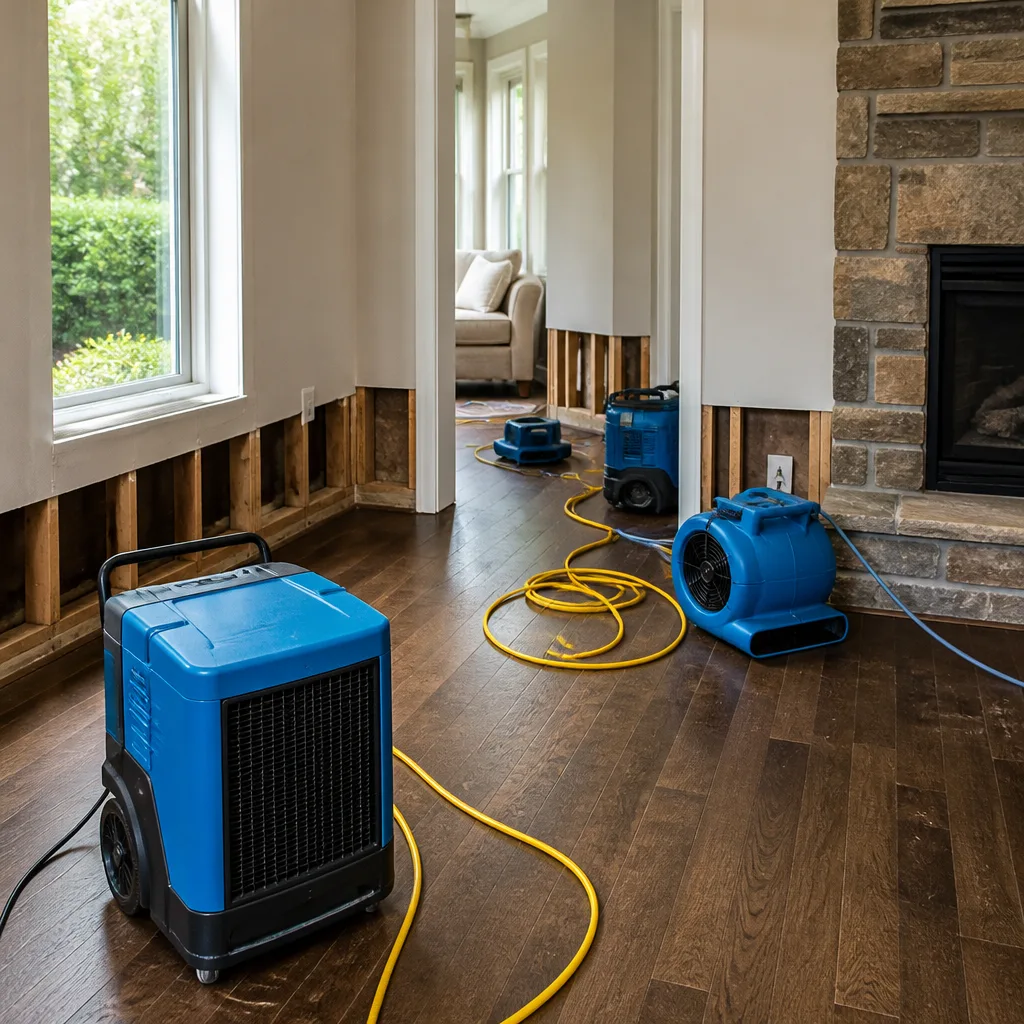 Water damage drying
 Fire & smoke cleanup
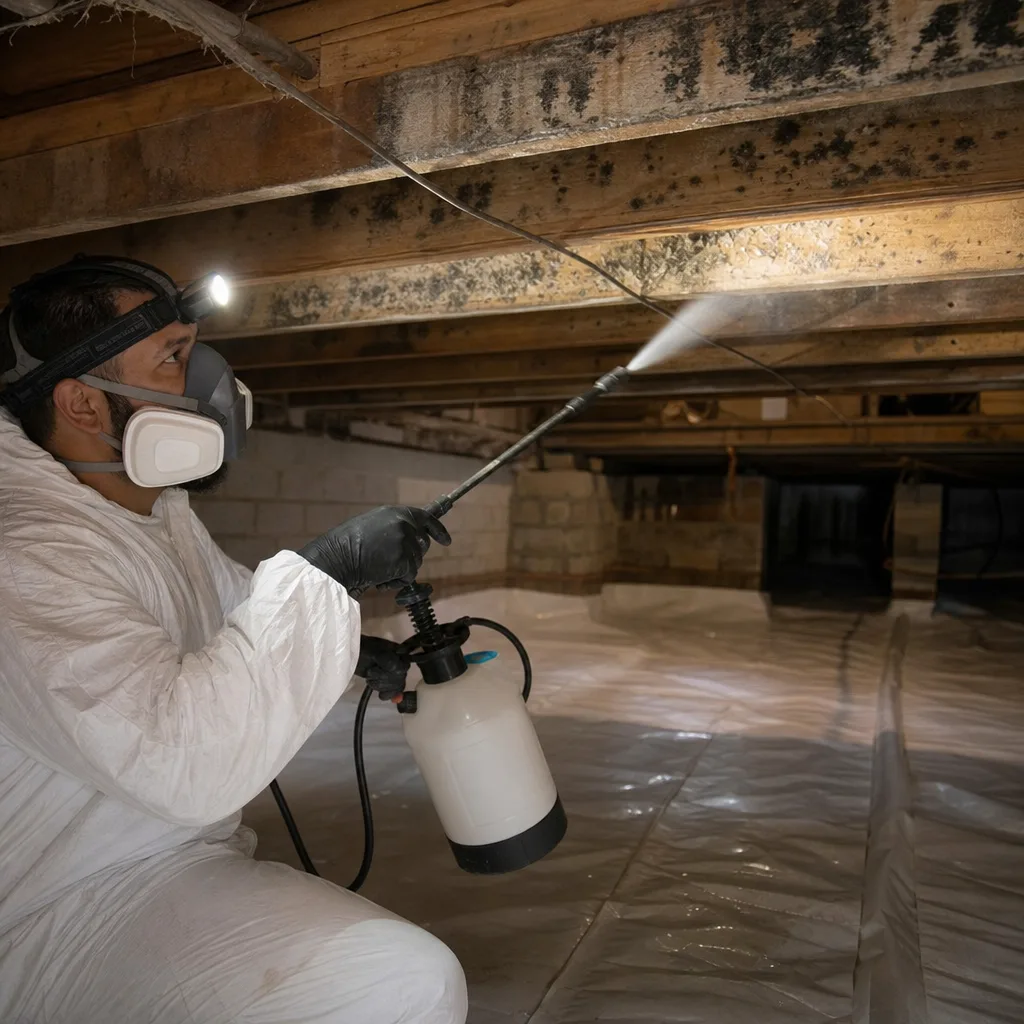
 Mold remediation
 Storm response
 Sewage cleanup
 Reconstruction
Free visual inspection and a written scope of work before any mitigation begins - photos, moisture readings, and drying logs go in your claim file
The scope we write is the scope we bill. Anything new gets shown to you, in writing, before we touch it.
Get your free estimateDamage Restoration Permits, Codes & Inspections in CA: What You Need to Know
Most Riverside homeowners treat water damage like a cleaning emergency, not a construction event. That distinction matters more than you’d think. In California, replacing more than 50% of a wall assembly, which a standard water-damaged room often requires, legally triggers a building permit. Yet most homeowners are never told this, because pulling a permit adds accountability the contractor must deliver on. This guide walks you through exactly which restoration tasks cross the permit threshold, how Riverside’s Building and Safety Department processes those permits, and how to document the work so it protects your home’s resale value instead of haunting it.
Restoration work we handle
Quick Answer
Water damage restoration in California requires a building permit when the work involves structural repairs, electrical modifications in wet areas, HVAC duct replacement, or drywall replacement exceeding 50% of a wall assembly. Riverside homeowners should request a Certificate of Completion after every permitted job and keep it with their insurance paperwork, because unpermitted restoration work surfaces as a material defect during resale disclosures and can stall refinancing. The fastest way to know if your specific damage crosses the permit line is to ask a licensed contractor to assess the scope in writing before demolition starts, or read our Damage Restoration Warning Signs: A Riverside Homeowner’s Reference Guide for early indicators.
Table of Contents
- When a Permit Is Actually Required in California
- How Riverside’s Building and Safety Department Processes Restoration Permits
- What Unpermitted Restoration Work Looks Like on a Title Report
- Third-Party Inspectors vs. City Building Inspectors
- How to Request a Certificate of Completion (and Why You Should)
- A Documentation Checklist for Permitted Restoration Work
- Common Mistakes to Avoid
- When to Call a Professional
- Frequently Asked Questions
- The Bottom Line
When a Permit Is Actually Required in California
The California Building Code (CBC) does not issue a special “water damage” permit. What it does is classify restoration work into categories, and some of those categories require a permit before the first piece of drywall comes down. The key triggers for water damage restoration in Riverside and throughout the state are:
- Structural member repair or replacement. If water has compromised a load-bearing wall stud, floor joist, ceiling joist, or roof rafter, that work requires a permit. A contractor cannot legally sister a joist or scab a stud without one. In Riverside’s older housing stock, where post-and-beam construction still exists in neighborhoods like the Wood Streets and parts of Magnolia Center, water intrusion into structural members is more common than in newer tract homes.
- Electrical work in wet areas. Any time an outlet, switch, panel, or wiring run has been exposed to water, the repair falls under the California Electrical Code. Replacing a water-damaged outlet in a Riverside bathroom or kitchen requires a permit if new wiring is pulled or if the circuit is modified. Like-for-like outlet replacement does not, but a licensed electrician should make that call on site.
- HVAC duct modification. Floodwater or sewage backup that enters return or supply ducts means those ducts need replacement or sanitization. If replacement involves reconfiguring a run, adding a register, or changing the plenum, a mechanical permit is required. In Riverside’s hot summers, water-damaged ducts also pose a mold-spread risk through forced air, which is why the code treats them as a construction event, not a cleaning task.
- Drywall replacement exceeding 50% of a wall assembly. The 2019 California Residential Code, Section R105.2, and its successor provisions, exempt “wallpapering, painting, and similar finish work” from permits, but once demolition of gypsum board exceeds 50% of a wall, ceiling, or room, the work is legally new construction. A standard water-damaged hallway or bedroom in a Riverside home often requires removing drywall from floor to 24 inches above the tide mark, which frequently crosses the 50% threshold on two or more walls.
- Insulation replacement in exterior walls. If water-damaged batt or blown-in insulation in an exterior wall needs to be removed and replaced, the wall cavity is open. Once a wall cavity is open and insulation is being replaced, a permit is required for the energy code inspection that verifies the R-value meets current California Title 24 standards.
What does not require a permit: extraction, drying, dehumidification, antimicrobial treatment, mold cleaning on non-structural surfaces, carpet pad replacement, baseboard removal and resetting, and painting. The line between “drying” and “rebuilding” is where the permit conversation begins. In our experience working in Riverside, we’ve found that knowing this line before demolition starts saves homeowners from having to pull an “as-built” permit after the fact, which is slower and more expensive-one reason we published our DIY vs Professional Damage Restoration: The Riverside Homeowner’s Decision Guide.
For water damage work where the scope is still unclear, our team at Water Damage Restoration in Riverside begins every project by identifying the tide mark before anyone touches a wall. That mark tells us how high the water traveled, which determines whether the job stays in drying territory or crosses into the permit zone.
How Riverside’s Building and Safety Department Processes Restoration Permits
Riverside operates its own building department, which means the city issues its own permits under the California Building Standards Code rather than delegating to the county. That’s good news for homeowners, because the city’s permit technicians handle restoration permits regularly and the process is less abstract than in jurisdictions where restoration work is lumped in with all other construction.
Here is how a typical restoration permit moves through the city:
- Permit application. A licensed contractor, or the homeowner acting as owner-builder, files a permit application with Riverside’s Building and Safety Division at the One Stop Shop on Main Street. The application lists the scope: structural repair, electrical, mechanical, plumbing, or drywall replacement. Photos of the water damage and a moisture map showing the affected areas are often submitted with the application.
- Plan review (if required). Simple drywall replacement with like-for-like materials typically sails through a counter review in one to three business days. Structural repairs, electrical panel replacement, or any work involving shear walls or moment frames requires a full plan review, which in Riverside currently runs two to four weeks depending on workload. Water damage restoration jobs that involve panel replacement after an electrical fire or flood fall into this longer queue.
- Permit issuance. Once approved, the permit is issued and the fee is paid. Riverside’s permit fees are calculated on valuation: the estimated cost of the work, including labor and materials. A $4,000 drywall replacement job might carry a permit fee around $150 to $250. A structural repair valued at $25,000 could carry a fee three to four times that.
- Inspection scheduling. The contractor calls for inspection at key stages: after demolition but before concealment (the “rough” inspection), after electrical or mechanical work is done but before walls are closed, and a final inspection once everything is complete. Riverside inspectors generally offer same-week scheduling for restoration work, but that varies seasonally.
- Final sign-off and Certificate of Completion. After the final inspection passes, the city issues a Certificate of Completion. The homeowner should request a copy and keep it in a safe place, ideally with the insurance claim file.
One Riverside-specific note: the city is strict about smoke and carbon monoxide detector compliance at final inspection. If your water damage touched a hallway or bedroom, the inspector will verify that detectors are present and functional. This is a common final-inspection snag that delays sign-off by a day or two. We pre-check this on every permitted restoration job so the final inspection passes the first time.
What Unpermitted Restoration Work Looks Like on a Title Report
Unpermitted work does not appear on a title report as a red flag by itself. What appears is the discrepancy: the assessor’s records show 1,850 square feet, but the listing says 1,950. Or the title company discovers through the natural hazard disclosure process that structural work was done in 2019 and there’s no permit on file. In Riverside’s resale market, where buyers are already asking pointed questions after the 2020-2023 run-up in home prices, unpermitted restoration work has become a negotiation weapon.
Here is what happens in practice:
- Resale disclosure. California Civil Code Section 1102 requires sellers to disclose all known material facts affecting the property’s value. If you replaced structural members during a water damage repair five years ago without a permit, and a buyer later discovers it through an inspection or a neighbor’s comment, you have a disclosure problem. The buyer’s remedy can include rescission or damages.
- Refinancing. Lenders in California do not routinely pull permit histories for refinance transactions, but an appraiser who notices a recent addition, a reconfigured bathroom, or a structural change that does not match the county record can flag it. The lender then requires the work to be permitted retroactively, which means opening walls to expose the work for an inspector, then closing them again.
- Insurance renewals. Some California homeowners insurance carriers now ask whether any structural repairs have been done in the last ten years, and whether permits were pulled. Answering no to the permit question after answering yes to the repair question can trigger a non-renewal or a policy endorsement requirement.
- Home sale escrow. In a competitive Riverside escrow, a buyer’s inspector will flag unpermitted work in the report. The seller then faces a choice: pull an as-built permit and open walls, or negotiate a credit. We’ve seen credits of $10,000 to $25,000 offered at the last minute over unpermitted water damage work that would have cost a few hundred dollars to permit correctly at the time.
The fix for all of this is simple and unglamorous: keep the permit, the inspection sign-offs, and the Certificate of Completion in a folder with your insurance claim file. When you sell, that folder answers every question the buyer’s inspector will ask. No folder, no answer, and the negotiation shifts against you.
Third-Party Inspectors vs. City Building Inspectors
These are two different people doing two different jobs, and Riverside homeowners benefit from knowing which is which.
A city building inspector works for the Riverside Building and Safety Division. Their job is code compliance: is the electrical work done to the California Electrical Code, is the structural repair sized correctly under the California Building Code, is the drywall fire-rated where it needs to be. They inspect at specific stages and they sign off on the permit. They are not looking at moisture levels, drying progress, or whether mold has been properly remediated. That’s not their jurisdiction.
A third-party inspector in the restoration world typically works under IICRC standards, the S520 for mold remediation or the S500 for water damage restoration. Their job is process verification, not code compliance. On IICRC-compliant projects, a third-party inspector may be brought in by the insurance carrier or by the homeowner to verify that drying goals have been met, that containment was maintained during mold remediation, and that clearance sampling passed. Their report goes to the homeowner and the insurer, not to the city.
Here is the distinction that matters: a city final inspection says the work was built to code. A third-party IICRC inspection says the water was actually dried, the mold was actually removed, and the indoor environment was returned to a clean baseline. A job can pass the city inspection and still have a moisture problem behind the walls. In Riverside’s clay-heavy soil, where slab foundations hold moisture and wick it upward into wall cavities, this distinction matters more than in drier inland communities.
When we dry a water-damaged home in Riverside, our technicians use moisture meters and thermal imaging from the assessment phase through the final day. We dry past the tide mark, not just to it, because the wall cavity behind the visible water line is where secondary damage starts. We welcome third-party inspection on any job where the homeowner or carrier requests it.
How to Request a Certificate of Completion (and Why You Should)
After a permitted restoration job passes its final inspection, the city of Riverside records the permit as “finaled.” But the city does not automatically mail you a certificate. You have to request it. Here is the step-by-step:
- Wait for final inspection sign-off. Your contractor will know the moment the inspector signs the final inspection card. In Riverside, this is usually done electronically in the field.
- Request the Certificate of Completion. Call or visit the Riverside Building and Safety Division. You will need the permit number, the property address, and proof of ownership or authorization. Some requests are handled same-day at the counter; mailed copies typically arrive within two weeks.
- Verify the permit status online. Riverside’s online permit portal allows you to check status by address or permit number. Confirm it shows “finaled” before you request the certificate. A permit that is not finaled, even if the work was done years ago, is an open permit, and that’s worse than no permit at all.
- Store the certificate with your insurance file. This is the document your future buyer wants to see. It’s also the document your insurance carrier wants after a completed restoration claim, because it closes the loop on the repairs.
Why this matters in Riverside specifically: the city’s housing stock includes tens of thousands of homes built between 1940 and 1970, many with original plaster walls and older electrical systems. When water damage forces demolition of a plaster wall in one of these older Riverside homes, the replacement work often triggers the 50% threshold on the wall, which means a permit. Many homeowners skip it. Years later, at resale, the buyer’s inspector finds the discrepancy between the original plaster construction and the newer drywall, and the question becomes: was that permitted? The Certificate of Completion is the document that answers the question.
Our Tidemark Water Damage Riverside home team includes permit coordination as a standard step on any job that crosses the threshold. We don’t leave the homeowner to navigate the counter at the One Stop Shop alone. One phone call from us to the building department can clarify the scope, confirm the fee, and get the process moving before demolition begins.
A Documentation Checklist for Permitted Restoration Work
If you are going through a permitted restoration right now, or if you are about to, here is the complete paper trail to keep. This list is written for a Riverside homeowner, but it applies anywhere in California.
- Insurance claim number and adjuster contact. Everything starts here. Your restoration permit and your insurance claim are separate processes that run in parallel, but the adjuster will want the permit number, and the building department may ask whether the work is insurance-funded.
- Permit application and fee receipt. The application proves the work was permitted from the start. The fee receipt proves the valuation you declared, which matters if the scope grows later.
- Photos of the damage before, during, and after demolition. Date-stamped photos, taken with a phone, are admissible as evidence in a resale disclosure conversation. Walk the house and take wide shots plus close-ups of the tide mark, the open wall cavities, and the electrical boxes before they are covered.
- Moisture map or drying log. If a restoration contractor did the drying, ask for the moisture readings from Day 1 through the final day. This is the document that proves the wall cavity actually dried, not just that the surface looked dry.
- Inspection sign-off cards or electronic equivalents. Each stage, rough, electrical, mechanical, final, should have a sign-off. If the inspector gave verbal approval, ask the contractor to confirm it in writing.
- Certificate of Completion. The final document, issued by the city after final inspection, as described above.
- Warranty and scope documents from the contractor. A written scope of work with the price agreed before demolition, plus any contractor warranty, belongs in the same file. The written scope is what protects you if the job grows mid-stream and the invoice follows it.
At Tidemark, every job starts with a written price before any work starts. That written scope travels with the project. When we hand you the Certificate of Completion, we also hand you the full file: photos, moisture readings, inspection sign-offs, and the written scope. You should not have to ask for any of it.
Common Mistakes to Avoid
- Treating all water damage as cosmetic. A water stain on a Riverside ceiling is often shadowing a structural member that’s been wet for weeks. If the stain is on a ceiling below a bathroom or laundry, assume the joist cavity is involved until a moisture meter says otherwise. Skipping the structural check means skipping the permit conversation, and the attic will reveal the truth at the worst possible time.
- Letting the insurance adjuster alone decide the scope. The adjuster’s job is to settle a claim. The contractor’s job is to restore the house. When those two scopes disagree, the permit application is where the discrepancy surfaces. If the adjuster says “replace six feet of drywall” and the contractor says “the entire wall cavity is wet,” get the contractor’s moisture readings in writing and let the building department see them.
- Closing walls before the rough inspection. This happens when a handyman, not a licensed contractor, does the work. The drywall goes up, the paint goes on, and the homeowner calls for a permit after the fact. Riverside requires the walls to be opened again for the inspection. That means demolition, repair, re-tape, re-texture, and repaint, all out of pocket.
- Assuming the contractor pulled the permit. Ask to see the permit before demolition starts. Ask for the permit number. A contractor who says “we’ll pull it later” is telling you the work will be done without one. In Riverside, you can verify any permit by address on the city’s online portal in two minutes.
- Keeping the Certificate of Completion in a drawer you’ll never find again. This document is as important as the deed. Scan it. Email it to yourself. Put a copy in the fire safe. When the resale inspector asks, you will want it in your hand, not in a box in the garage.
- Using petrochemical drying agents without asking about alternatives. California homes have children and pets. Some drying compounds and antimicrobials are harsher than others. Ask what products are being used and whether pet-safe alternatives are available. Our crews at Tidemark default to pet-safe products wherever there’s a choice, because the house has to be livable for everyone who lives in it, not just the adults reading the invoice.
When to Call a Professional
If the water damage involves any structural member, any electrical component, any ductwork, or drywall on more than half of a wall, call a licensed restoration contractor before you touch anything-our How to Hire a Damage Restoration Contractor in Riverside: A Step-by-Step Guide explains exactly what to look for. If you can see the water line on the wall, the cavity behind it is wet, and that cavity is not a DIY project. If your insurance company has already assigned an adjuster, you want a contractor who can speak the adjuster’s language: moisture readings, per-square-foot drying times, and code requirements. Tidemark Water Damage Riverside offers free estimates in Riverside. Call (341) 212-7342 and we will walk the house with you, tell you whether the work crosses the permit threshold, and put the plan in writing before anyone picks up a tool.
For mold that has spread beyond a visible patch, our Mold Remediation in Riverside team handles the containment, the remediation, and the clearance documentation. For fire-damaged homes, Fire Damage Restoration in Riverside covers the soot, the char, and the structural assessment that follows a fire.
Frequently Asked Questions
You need a permit if the restoration involves structural repairs, electrical work in wet areas, HVAC duct replacement, or drywall replacement exceeding 50% of a wall assembly. Simple water extraction, drying, and painting do not require a permit. Call (341) 212-7342 if you’re unsure whether your specific damage crosses the line.
Riverside calculates permit fees based on the valuation of the work, typically running $150 to $250 for a simple drywall replacement job and several hundred dollars or more for structural or electrical permits. Your contractor can get an exact fee quote from the Building and Safety Division before work starts.
The buyer can demand retroactive permitting, which requires opening walls for inspection, or negotiate a price credit. Unpermitted structural work is a material fact under California disclosure law, and failing to disclose it exposes you to rescission or damages. Keeping your Certificate of Completion with your home file eliminates the issue.
Most homeowners insurance policies cover permit fees as part of the restoration claim when the work is necessary to repair covered damage. Confirm with your adjuster in writing, and submit the permit fee receipt with your claim documentation.
Yes, California allows homeowners to act as owner-builders and pull their own permits. But the liability shifts to you: if the work fails inspection, you pay to fix it, and if a future buyer finds a defect, you own it. Most restoration projects are better handled by a licensed contractor who carries the risk and the insurance.
Simple drywall and electrical permits are often approved in one to three business days at the counter. Structural repairs requiring plan review typically take two to four weeks in Riverside depending on current workload. Starting the permit process at the same time as the demolition assessment keeps the project on schedule.
The Bottom Line
Water damage restoration in California is a construction event when it touches structure, electrical, HVAC, or more than half of a wall. Riverside homeowners who know that distinction, pull the permit when required, keep the Certificate of Completion with their insurance file, and document the entire process, protect themselves from resale surprises and refinancing stalls years down the road. The paper trail is not bureaucracy. It’s the difference between a home that sells clean and a home that sells with a question mark hanging over it. If you’re facing water damage in Riverside, call (341) 212-7342 and get the scope, the permit guidance, and the written price before the first wall comes down. For more guides & resources, visit our blog.
Written by Rick Sumner, Owner at Tidemark Water Damage Riverside, serving Riverside since 2006.
See the difference
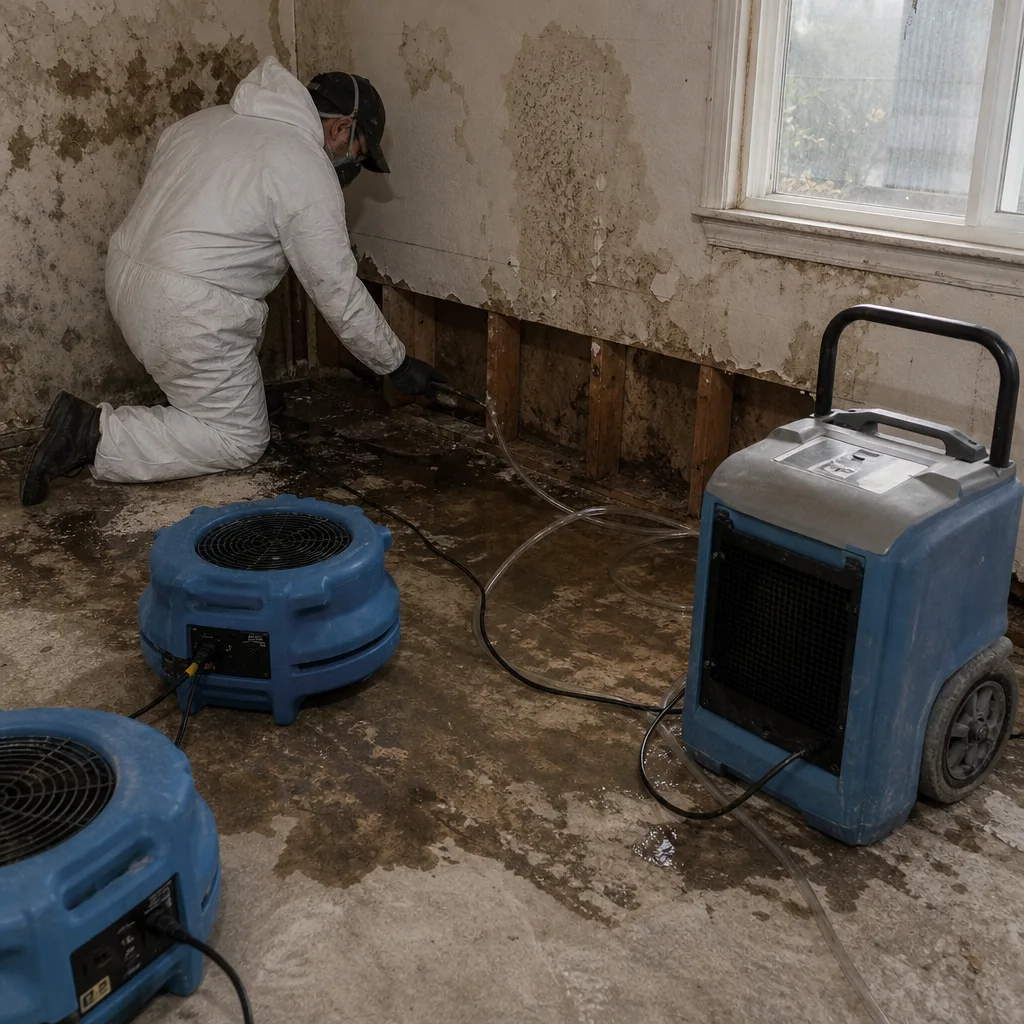 Before
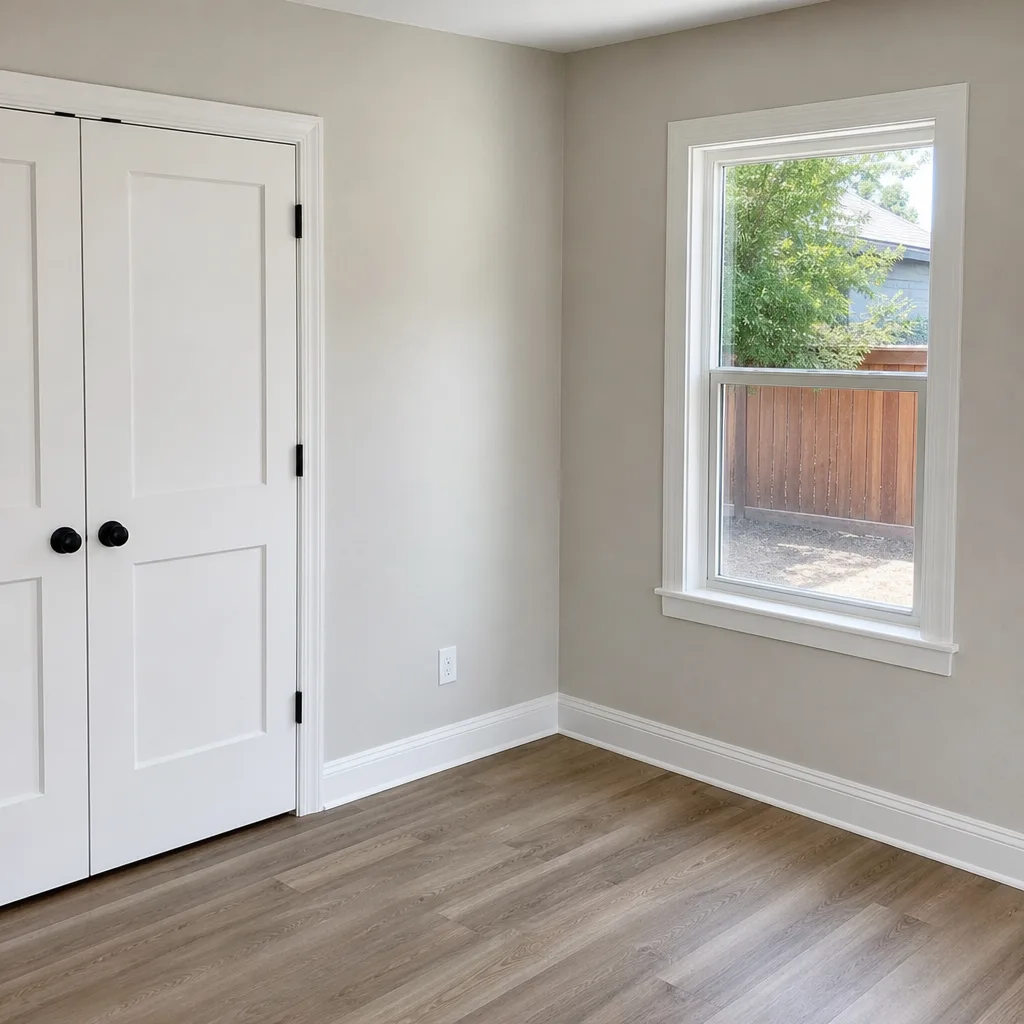 After
After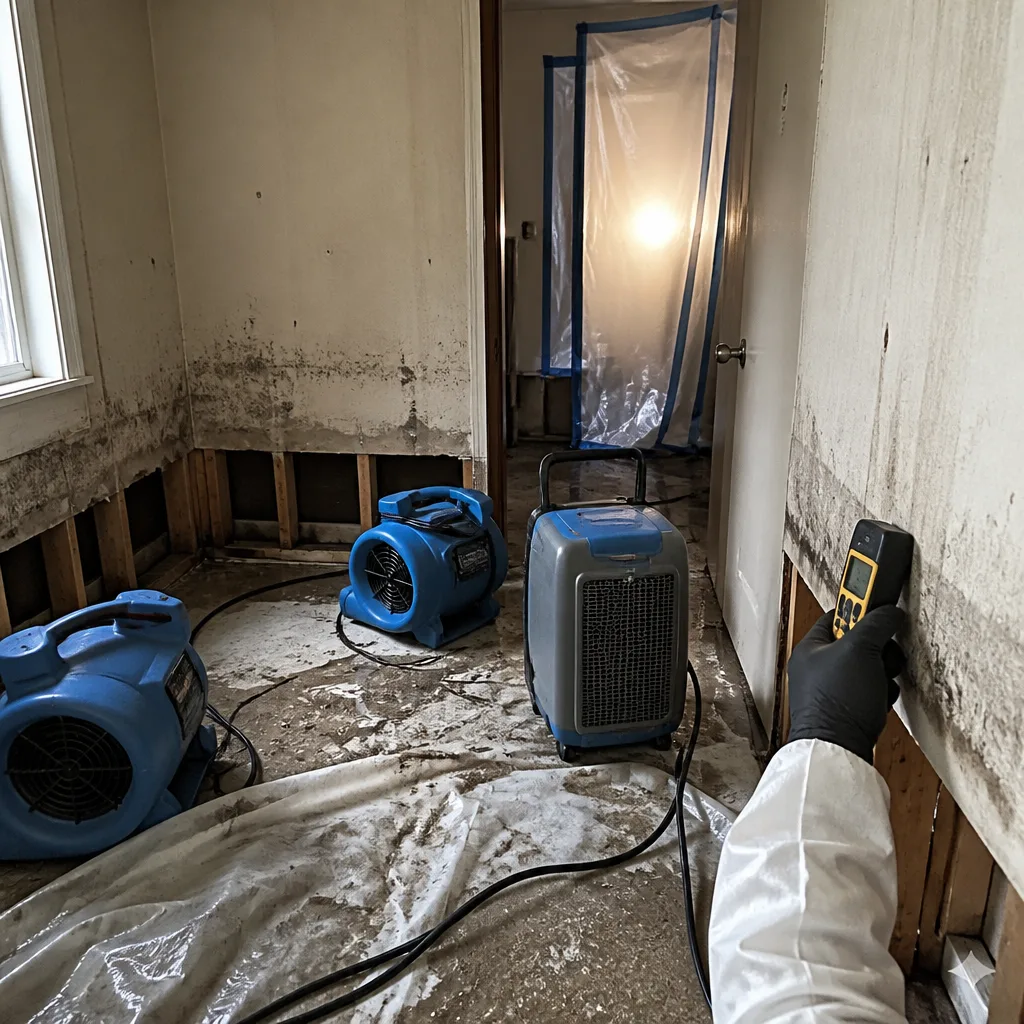 Before
 After
After Before
 After
After