
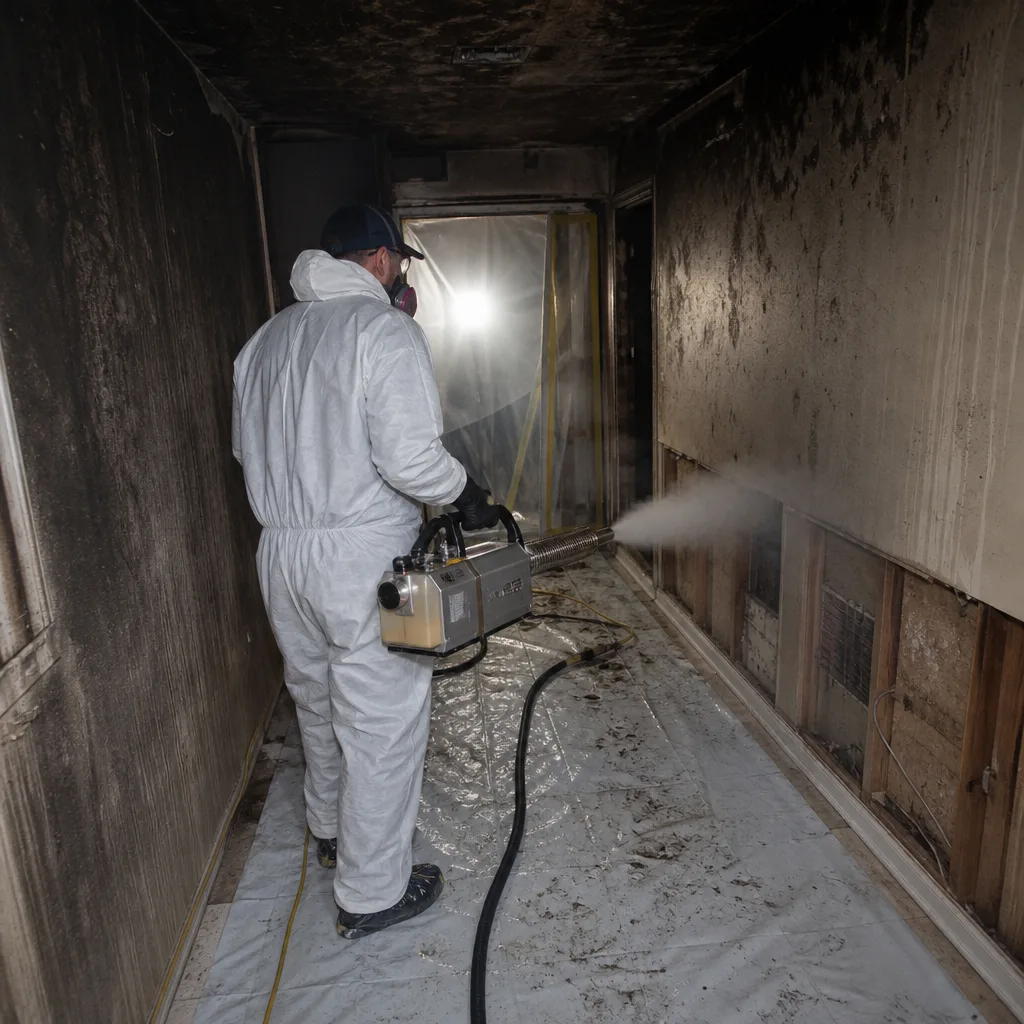
Last updated October 16, 2026
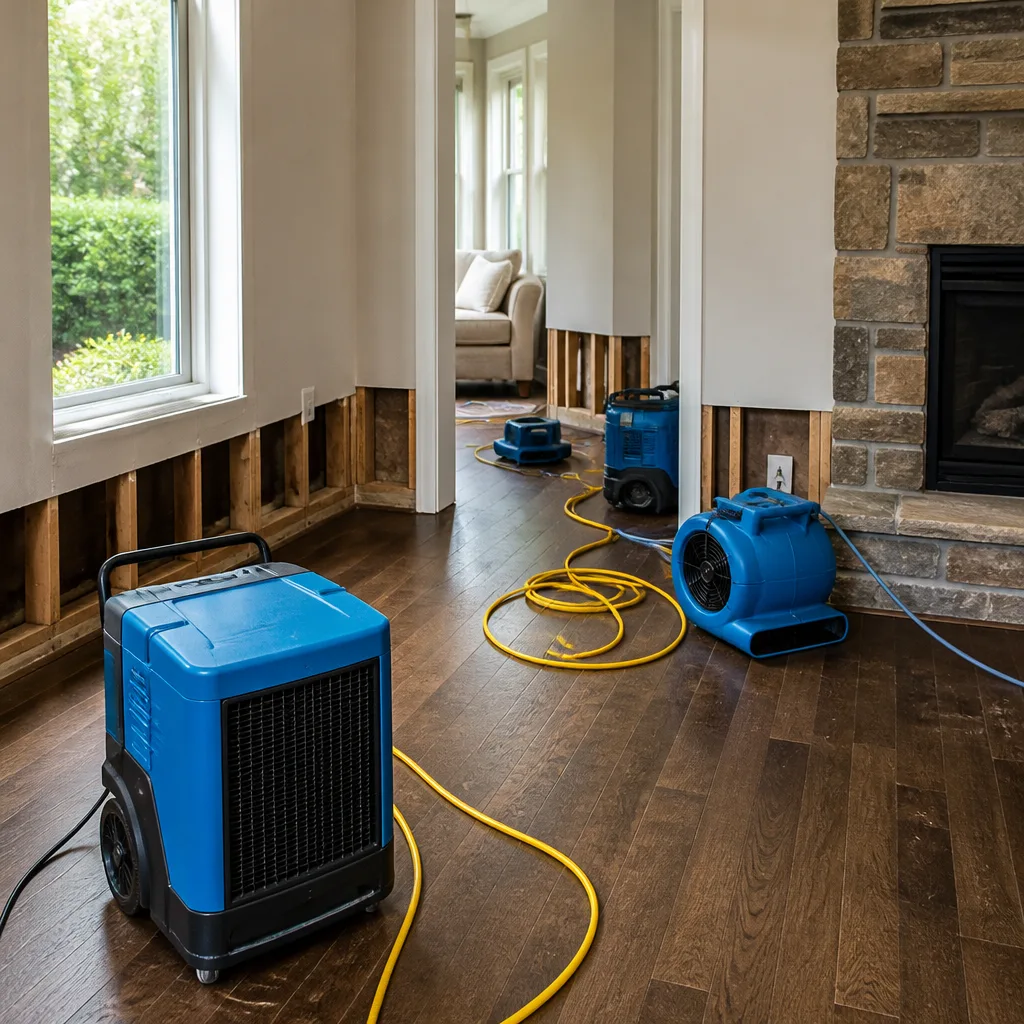 Water damage drying
 Fire & smoke cleanup
 Mold remediation
 Storm response
 Sewage cleanup
 Reconstruction
Free visual inspection and a written scope of work before any mitigation begins - photos, moisture readings, and drying logs go in your claim file
The scope we write is the scope we bill. Anything new gets shown to you, in writing, before we touch it.
Get your free estimateSeasonal Damage Restoration Care for Riverside: Year-Round Homeowner’s Guide
The month Riverside homeowners are least worried about water damage is August. It’s dry, hot, and the last rain feels like a distant memory. But August is exactly when thermal expansion from 105°F heat is silently opening micro-gaps in roof flashing and stucco that the first October rain will exploit. This guide walks you through Riverside’s four distinct stress windows: winter rain saturation, spring ground-shift, summer thermal cycling, and fall wind-driven smoke infiltration. You’ll learn what each season does to your home, what to check, and when a small preventive fix today saves a restoration job tomorrow.
Quick Answer
Seasonal damage restoration care in Riverside means treating the year as four separate risk windows, not one long dry spell. Winter demands downspout and crawl space checks before rain saturates clay soil. Spring requires watching for slab and door-frame movement as expansive soils shift. Summer is the repair window for heat-damaged flashing and caulk lines. Fall means sealing against Santa Ana winds and smoke that masks moisture problems. Each season has three to five specific checks, all of which take under an hour and prevent the water, mold, and fire damage calls we see most often at Tidemark Water Damage Riverside.
Restoration work we handle
Table of Contents
- Winter (December – February): Rain Saturation and Clay Soil
- Spring (March – May): Expansive Soil Movement
- Summer (June – September): Thermal Expansion and the Repair Window
- Fall (October – November): Santa Ana Winds and Smoke Sealing
- The Seasonal Home Journal: Evidence That Pays
- Common Mistakes to Avoid
- When to Call a Professional
- Frequently Asked Questions
Winter (December – February): Rain Saturation and Clay Soil
Riverside averages about 10 inches of rain per year, but most of it falls between December and February, often in concentrated bursts. What makes this dangerous for Riverside homes specifically is the soil. Large portions of the city sit on clay-heavy soil that expands dramatically when wet and contracts when dry. When winter rain saturates that clay, it can swell with enough force to crack foundations, shift retaining walls, and lift sidewalks. The damage does not always show up immediately. Sometimes it appears in March, when the soil dries and settles unevenly. What we see in our water damage restoration work in Riverside is that most winter problems started months earlier with something small: a downspout pointed the wrong way, a crawl space vent left open, a gutter clogged since October.
Here is the winter checklist we recommend to every Riverside homeowner, whether you’ve had water damage before or not:
- Walk the perimeter during the first real rain. Watch where downspouts discharge. Water should flow at least three feet away from the foundation. On clay-soil lots, make that five feet. A downspout dumping water against a foundation wall is the single most common cause of winter water intrusion we see in Riverside homes.
- Clear gutters and check downspout connections. Riverside’s fall winds pack gutters with leaves and debris. A clogged gutter overflows and sends water straight down the exterior wall, where it seeps behind stucco and into wall cavities.
- Inspect crawl space vents. Foundation vents should be closed or covered during heavy rain periods to keep water from blowing in. But they should not be sealed permanently. Riverside’s mild winters mean you can open them again on dry days to prevent trapped moisture from feeding mold growth below the house.
- Check the water heater pan and washing machine hoses. Not every winter water problem comes from outside. Cold snaps increase pressure on aging hoses and fittings. Rubber washing machine hoses should be replaced with braided stainless steel every five years.
One thing Riverside homeowners rarely think about: the first heavy rain after a long dry spell is the most dangerous. Dry clay soil repels water at first, sending it running across the surface and into any low point around the foundation. If your lot slopes toward the house, that low point is your foundation wall. Small regrading, even just building up soil along the foundation perimeter, can redirect thousands of gallons over a single winter.
Winter priority: Redirect water before it pools. Downspout extensions cost under $30 and prevent restoration bills that start in the thousands. If water does get in, our technicians at Tidemark Water Damage Riverside home start by finding the tide mark: the line water leaves on a wall that shows exactly how far it traveled. Drying past that line is what prevents mold and structural damage down the road.
Spring (March – May): Expansive Soil Movement
Spring in Riverside is not the season of new damage so much as the season of revealed damage. The winter rains stop, the clay soil begins drying out, and the ground literally moves. Expansive soil can swell and shrink by up to 10% in volume between wet and dry states. That movement puts pressure on everything attached to the soil: foundation slabs, slab penetrations for plumbing, basement wall joints if you have a split-level, and even the door frames that sit above the foundation line.
In our experience, spring is when Riverside homeowners notice doors that stick or won’t latch, new hairline cracks in drywall, and gaps opening between baseboards and the floor. These are not cosmetic issues. They are the house telling you the ground beneath it shifted, and somewhere water is finding a new path in.
Here is what to check in March, April, and May:
- Door and window frames. If a door that worked fine in January suddenly sticks in March, the frame has moved. That movement creates gaps around the frame, and those gaps are entry points for both moisture and pests. Check the exterior caulk line around every door and window frame for cracks or separation.
- Slab penetrations. Wherever a pipe comes up through your foundation slab, the surrounding concrete is a weak point. Spring soil movement can crack the slab around these penetrations, creating a direct path for groundwater and soil gases. In kitchens and bathrooms, check under sinks where pipes enter the floor. Look for moisture staining, efflorescence (that white chalky deposit), or a persistent musty smell.
- Exterior wall joints. Where stucco meets foundation, where brick meets siding, where chimney meets roof: these joints move with the soil. Run a careful eye along these lines after the rains stop. Cracks wider than a quarter are worth sealing.
- Irrigation lines. As homeowners in Riverside fire up sprinklers and drip systems in April and May, leaking irrigation lines near the foundation add water to already-swelling soil. A small drip line leak can saturate the soil against a foundation wall just as effectively as a downspout. Check emitters and connectors a week after restarting your system.
The spring pattern we see most often at Tidemark Water Damage Restoration in Riverside is this: a homeowner notices a musty smell in a hallway in April, attributes it to spring allergies, and by June there is a mold colony behind a baseboard. Spring is the time to trust your nose and your eyes. If something smells damp, it probably is. If a door sticks, the frame moved. Neither resolves on its own.
Spring priority: Inspect every penetration and joint while the ground is still soft enough to show you where it moved. Seal small cracks now. The work you do in spring prevents the mold remediation Riverside homes need most in summer.
Summer (June – September): Thermal Expansion and the Repair Window
Riverside summers regularly push past 100°F, with stretches of 105°F or higher. That heat does something most homeowners never see: it makes building materials move. Roof flashing expands and contracts daily. Exterior caulk lines stretch in the heat, then shrink at night. Stucco expands. Over months, these micro-movements create gaps that were not there in May. That is why the first good rain in October leaks through a roof that was watertight in April. The damage happened in August, when nobody was looking.
This is counterintuitive, but summer is the most important season for preventing winter water damage. It is dry, work is easier to schedule, and materials are at their most expanded state, which means repairs made in summer account for the full range of movement the material will experience all year.
Your summer checklist:
- Inspect roof flashing. The metal flashing around chimneys, vents, and where roof planes meet is the most failure-prone component of any Riverside roof. In summer, flashing expands and contracts daily. Look for lifted edges, cracked sealant, and rust spots. If you can safely view your roof from the ground or a ladder, do it. If you’re not comfortable on a ladder, a roofing inspection is worth the cost. The flashing is where the leak starts.
- Walk the exterior caulk lines. Every seam where two materials meet should have a continuous, flexible sealant bead. Check around windows, doors, exterior outlets, hose bibs, and anywhere pipes or vents penetrate the wall. Summer heat cracks old caulk within a single season. Running a new bead of exterior-grade sealant is a two-hour project that prevents fall rain intrusion.
- Check interior plumbing while it’s hot. High temperatures increase water pressure in Riverside plumbing systems. The thermal expansion of water in a closed system can stress aging pipe joints. If you have a pressure regulator, verify it’s working. If you hear a “water hammer” bang when a tap closes, note it. Unexplained increases in water bills in summer often point to a slab leak, which is a serious restoration issue in Riverside’s clay soil.
- Inspect the water heater. Riverside’s hard water shortens water heater lifespans. Sediment builds up faster here than in most of California. A water heater reaching the end of its life is most likely to fail during high-demand summer months. Listen for popping sounds, check for rust at the base, and know the age of your unit. If it’s over ten years old, plan for replacement before it fails catastrophically.
One of the things we emphasize in our Water Damage Restoration in Riverside work is that summer is the right window for restoration and sealing work, not just inspection. If you know you have a flashing gap or a caulk line that failed, do not wait for October to confirm it leaks. Fix it in July or August when the weather is predictable and the materials are at maximum expansion. The repair will hold through the winter cold snap and the next summer’s heat. Wait until fall, and you are sealing a cold gap with cold sealant, which shrinks further after application.
Summer priority: Seal every gap while it’s hottest. The repair you make in August is the leak you don’t have in October.
Fall (October – November): Santa Ana Winds and Smoke Sealing
Fall in Riverside brings the Santa Ana winds: hot, dry, and fast, blowing from the high desert toward the coast. These winds do two things to homes. First, they drive smoke and fine particulates into every exterior gap, including gaps you didn’t know you had. Second, they pull moisture out of the air until relative humidity drops into the single digits. That low humidity is deceptive. It makes moisture meters read low, which hides active water intrusion. But the house is not dry. It is just evaporating surface moisture fast enough to hide the problem.
This is also fire season in Riverside. The smoke from wildfires settles into valleys and can linger for weeks. It infiltrates homes through attic vents, under doors, and through the same micro-gaps that winter rain later exploits. The smoke itself is a restoration issue when it is heavy enough to require fire damage restoration in Riverside, but even moderate smoke creates a maintenance problem: it coats surfaces, clogs HVAC filters, and settles into insulation.
Your fall checklist:
- Check and replace HVAC filters. After wildfire smoke events, filters clog quickly. A clogged filter forces the system to work harder and can pull smoke deeper into ductwork. Replace filters monthly during active fire season. Consider HEPA or high-MERV filters if your system can handle the airflow restriction.
- Seal attic and crawl space penetrations. Santa Ana winds pressurize the exterior of the home. Any gap in the attic or crawl space becomes a smoke intake vent. Check where plumbing vents, electrical conduits, and recessed lights penetrate the attic floor. Seal gaps with fire-rated caulk or foam.
- Inspect weatherstripping on all exterior doors. Smoke enters under doors. Worn weatherstripping is cheap to replace and keeps both smoke and water out. Check the garage door as well, especially if it does not have a good bottom seal.
- Test your bathroom and kitchen exhaust fans. These are the last line of defense for indoor air quality. If they’re clogged or weak, smoke lingers longer. Clean fan housings and verify exterior dampers close properly when the fan is off. A damper stuck open is a direct path for wind and smoke into the house.
- Document low-humidity moisture readings. If you have a moisture meter, note the readings around known problem areas. When humidity is this low, readings will be misleadingly low. What you’re looking for is relative changes. If a wall reads 5% in September and 9% in November, something is wet behind it even if the absolute number looks normal.
Fall is also the season we recommend a professional inspection of the smoke sealing and moisture protection systems if you have had fire or water damage in the past. The work done in fall prevents the winter rain from entering through the same gaps the Santa Ana winds just exploited.
Fall priority: Seal against wind and smoke, and know that dry air hides moisture. Your nose may detect smoke long before your moisture meter detects water. If you smell smoke indoors days after the outdoor air has cleared, you have an infiltration path that needs sealing.
The Seasonal Home Journal: Evidence That Pays
Insurance claims succeed or fail on documentation. When a pipe bursts in February or a rainstorm floods a crawl space, your insurance company will ask when the problem started, what you did to prevent it, and whether you maintained the home. If your answer is “I don’t know” and you have no records, the claim process gets harder. If your answer is “here are my seasonal checklists from the last three years,” the process moves smoother and faster.
A seasonal home journal does not need to be elaborate. A notebook, a note on your phone, or a simple spreadsheet works. What matters is the pattern of dated observations.
Here is how to keep one that works:
- Date every entry. Even a one-line note like “Checked downspouts, extended rear one three feet” becomes evidence when it has a date.
- Take photos. A photo of a caulk line in July shows what it looked like before the crack appeared in November. Your phone camera time-stamps automatically. Photos make claims faster.
- Note what you found and what you did. “Found hairline crack in stucco at north corner, sealed with exterior caulk on 8/14” is a complete entry. That sentence can make the difference between a covered claim and a denied one.
- Keep receipts. The receipt for that downspout extension, the can of caulk, the replacement filter. Receipts prove maintenance. Store them with the journal entry.
- Log professional inspections. If you have a roofing inspection, a plumbing inspection, or a mold remediation in Riverside, keep the report and note the date. Professional documentation carries real weight with adjusters.
At Tidemark, we photograph our clean-up before leaving every job. We do this for the same reason we recommend the journal: documentation is the difference between a claim that closes in weeks and one that drags for months. When you call us after an event, having your journal gives us a head start. We can see what the area looked like before, what changed, and what may have been compromised by the event. That speeds our assessment, our scope, and your claim.
Common Mistakes to Avoid
- Ignoring downspout direction until the rainy season starts. By the time January rain is falling against your foundation, the damage is already starting. Riverside’s clay soil swells fast. Redirect downspouts in October, not January.
- Assuming a dry spring means no water intrusion happened over the winter. Slow leaks behind stucco and under slabs can take months to show visible signs. A dry March with no visible damage doesn’t mean the wall cavities are dry. If you had a downspout problem in January, inspect the wall behind it in March, even if it looks fine.
- Caulking in the cold because it’s “almost winter.” Caulk needs warm, dry conditions to adhere properly. The fall rush to seal before rain leads to failed seals that looked fine on the day they were applied. Seal in summer, touch up in fall.
- Treating the house as the same building all year. Riverside’s temperature swings mean materials expand and contract on a schedule. What you sealed in April may not be sealed in September because the material that shifted is not the same shape anymore. Seasonal re-inspection is not redundant. It’s required.
- Waiting for a smell to become visible mold before calling. By the time mold is visible on a wall in Riverside, the colony behind that wall is usually well established. Musty smells, persistent allergy symptoms inside the home, and recurring condensation are early warnings. Mold Remediation in Riverside starts with finding the moisture source. The earlier that happens, the smaller the job.
- Assuming fire damage means flames. Smoke damage in Riverside from distant wildfires can coat HVAC systems, insulation, and wall cavities without a single flame touching the property. If the air inside smells smoky days after the outside clears, the smoke found a way in. That is damage, and it needs professional assessment.
When to Call a Professional
Some things you can see and fix yourself: a clogged gutter, a cracked caulk line, a downspout pointed the wrong way. Some things you cannot see and should not attempt: water behind stucco, mold inside a wall cavity, smoke contamination in an HVAC system, and any structural movement in a slab foundation. Call a professional when you see water staining that reappears after cleaning, when a musty smell persists after you’ve aired the space, when a crack widens over the course of a season, or when you’ve had a leak and want to confirm the area is actually dry. Tidemark Water Damage Riverside home offers free estimates in Riverside. Call (341) 212-7342 and a live person answers, day or night.
Frequently Asked Questions
The most common seasonal water damage in Riverside is foundation and wall intrusion caused by winter rain hitting downspouts that discharge too close to the foundation on clay soil. The clay swells, gaps open, and water finds its way into wall cavities and crawl spaces. The fix is usually simple and inexpensive when caught early: redirect the downspout and seal the gap. When missed, it becomes a structural and mold issue that costs thousands. Call (341) 212-7342 for a free assessment if you suspect water has entered behind a wall.
No. Riverside’s dry climate reduces outdoor mold pressure, but indoor mold grows anywhere moisture is trapped, and Riverside homes trap moisture in wall cavities, crawl spaces, and behind stucco just like homes anywhere else. Our Mold Remediation in Riverside work frequently addresses mold that grew during the winter and was only discovered in spring or summer when the smell became strong enough to notice. The mold grew during the wet season, but the discovery happened months later.
Four times a year, once at the start of each season, is the right cadence for Riverside. Each inspection takes under an hour if you focus on the five to seven items specific to that season. The point is not to find damage every time. The point is to notice changes early: a crack that was not there last season, a smell that appeared, a door that started sticking. The seasonal journal makes these changes visible.
Yes, and summer is arguably the most important season for water damage prevention in Riverside. The heat expands building materials daily, which opens gaps that rain later exploits. Sealing those gaps in July and August, when materials are at maximum expansion, creates a repair that holds through winter. Waiting until October means sealing cold, contracted gaps with cold sealant, which fails faster. Summer is the prevention window.
Insurance typically covers sudden and accidental damage, like a burst pipe or storm damage, not gradual wear and tear like cracked stucco or aging flashing. This is why the seasonal maintenance record matters. If you can show you maintained the home on a seasonal schedule and the damage still occurred, your claim is stronger. If the damage is from neglect, coverage is often denied. Photo documentation and dated journal entries are the best evidence you have. Our technicians document everything they find and everything they do, which helps when you’re working with an adjuster. Call (341) 212-7342 to talk through what you’re seeing before you file a claim. We’ll help you understand what you’re dealing with.
Tidemark Water Damage Riverside answers the phone with a live person 24 hours a day, 7 days a week, and dispatches crews directly from Riverside. In most cases, we can have a technician at your door within hours, not days. Water damage does not wait, and neither do we. Call (341) 212-7342 and a real person will pick up.
The Bottom Line
Riverside’s four seasons are not the traditional spring-summer-fall-winter. They are rain-saturation season, ground-shift season, thermal-expansion season, and wind-and-smoke season. Each one stresses the home in a different way, and each one demands a different set of checks. The homeowner who re-directs a downspout in October, seals a caulk line in August, and checks slab penetrations in March is the homeowner who never calls us for emergency restoration. But when the unexpected happens anyway, because sometimes it does, the prepared homeowner has documentation, knows what to look for, and gets help fast. That’s the whole point of Fire Damage Restoration in Riverside, Water Damage Restoration in Riverside, and Mold Remediation in Riverside done right: less damage, less disruption, and a home that stays healthy year-round. If you suspect seasonal damage, call Tidemark at (341) 212-7342. A real person answers, the written price comes before any work begins, and the 365-Day Done Right Promise means we stand behind the job long after we leave.
Written by Rick Sumner, Owner at Tidemark Water Damage Riverside, serving Riverside since 2006.
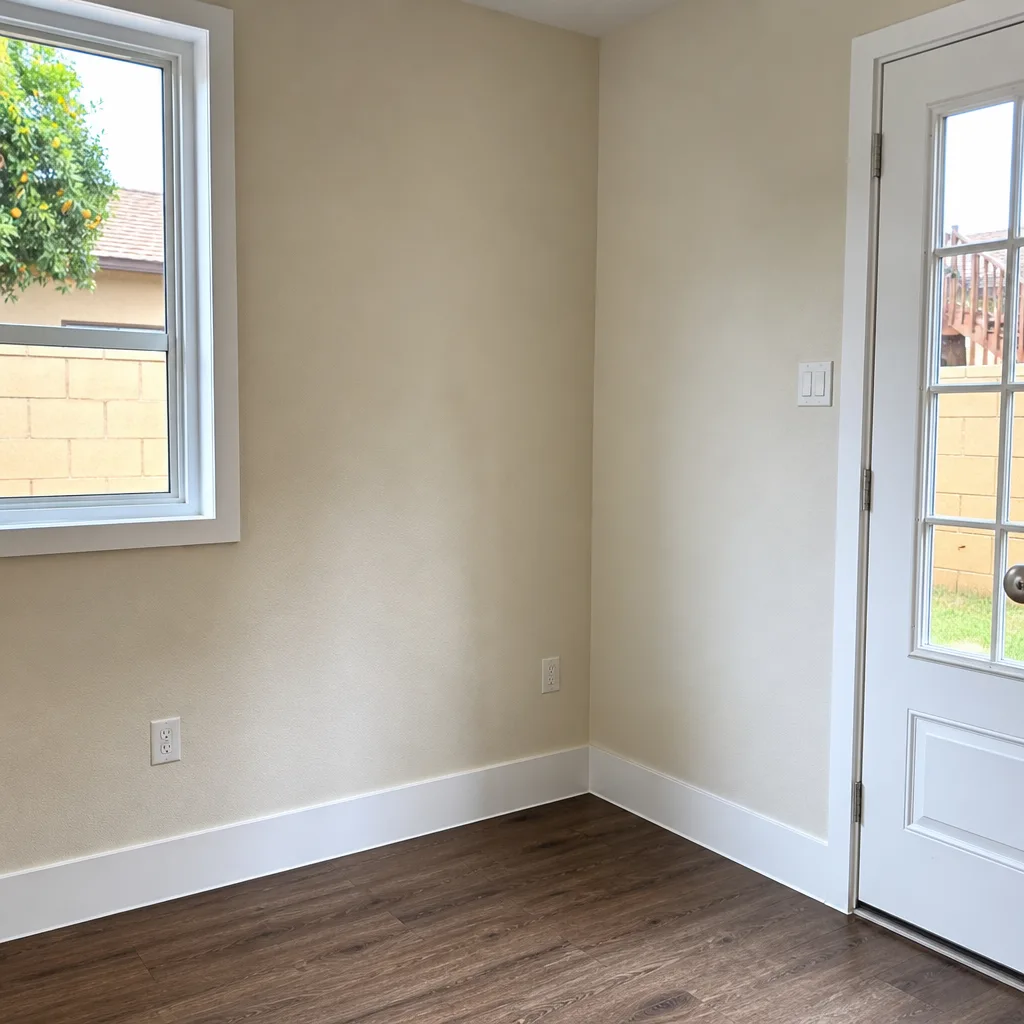
See the difference
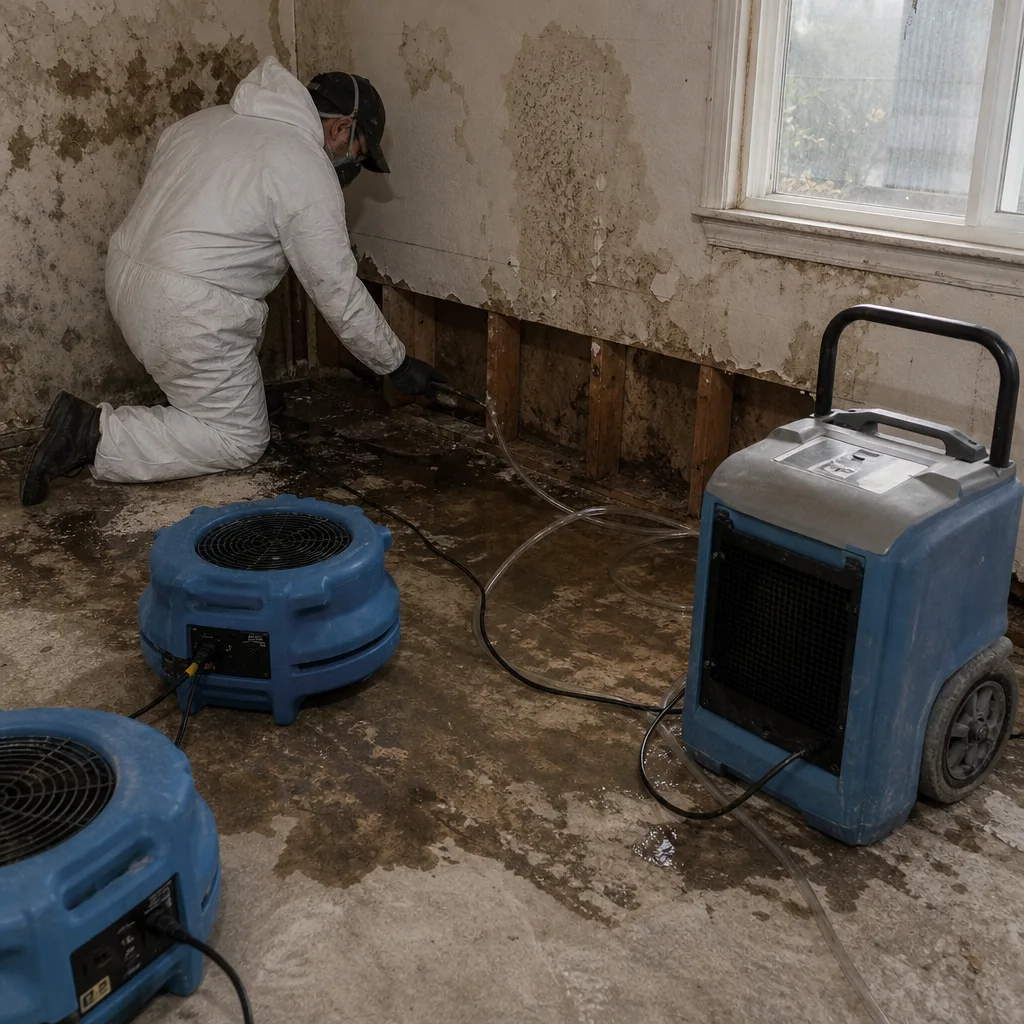 Before
 After
After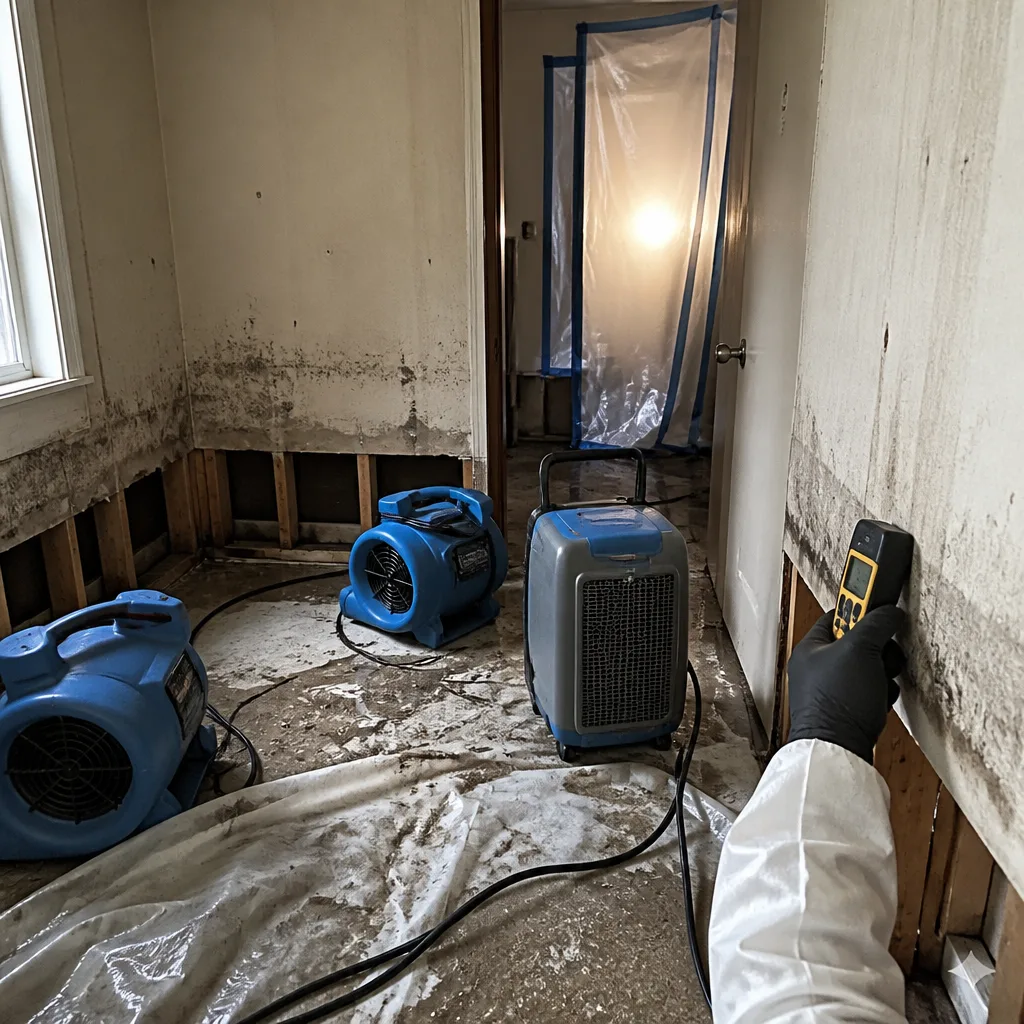 Before
 After
After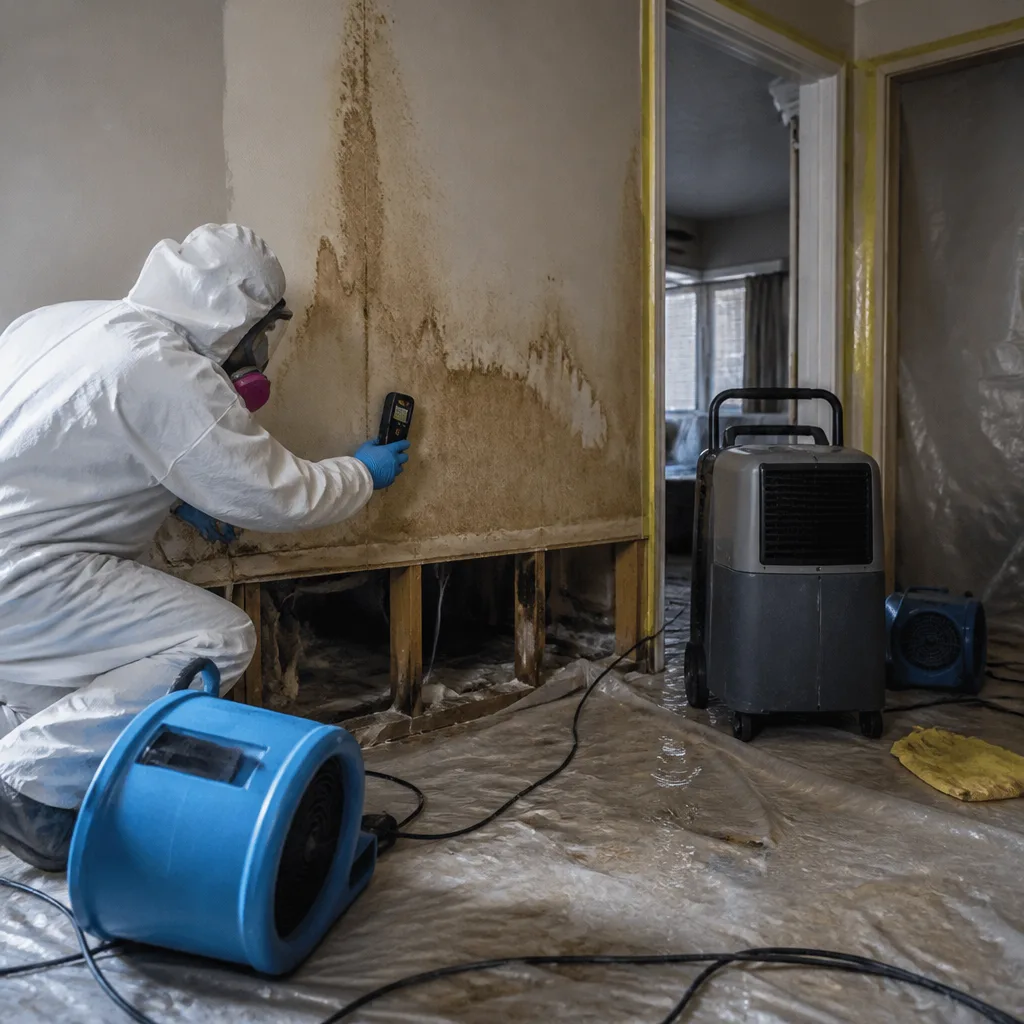 Before
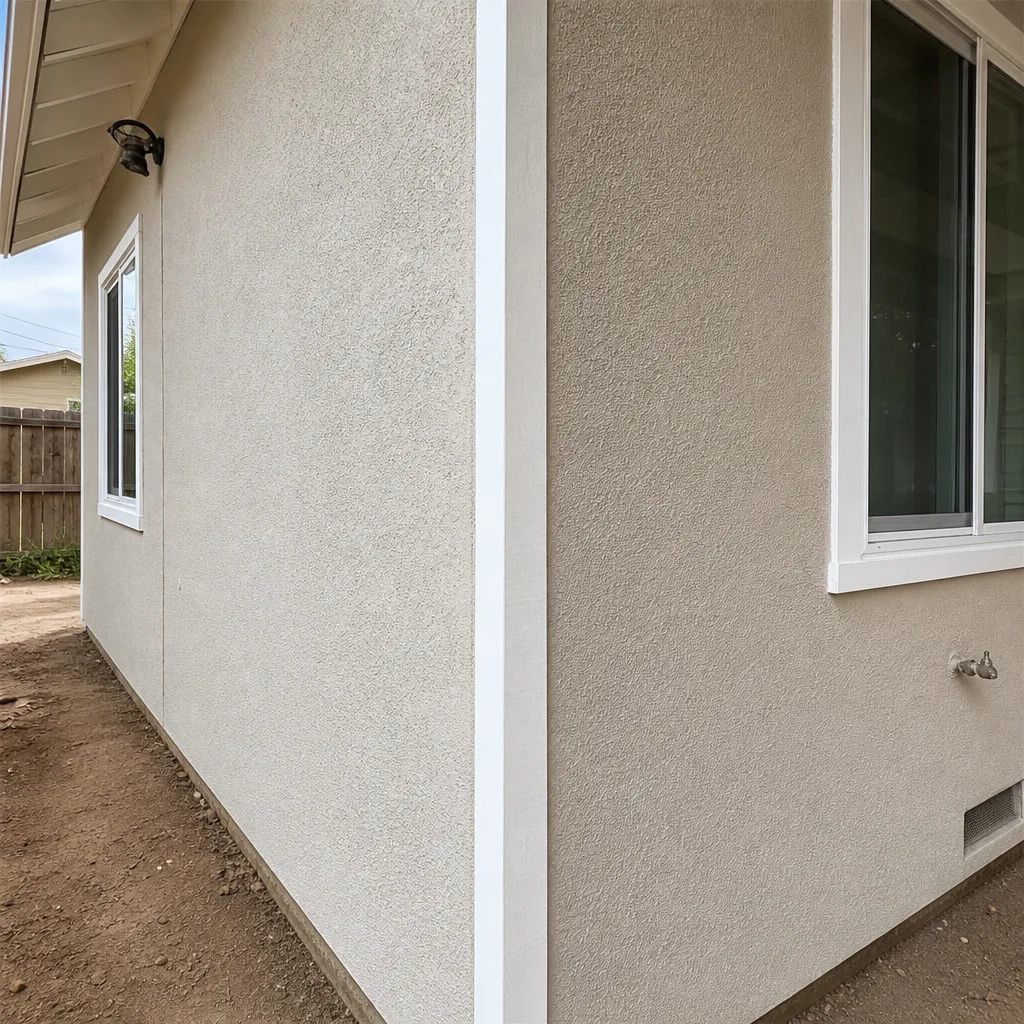 After
After