
Last updated October 16, 2026
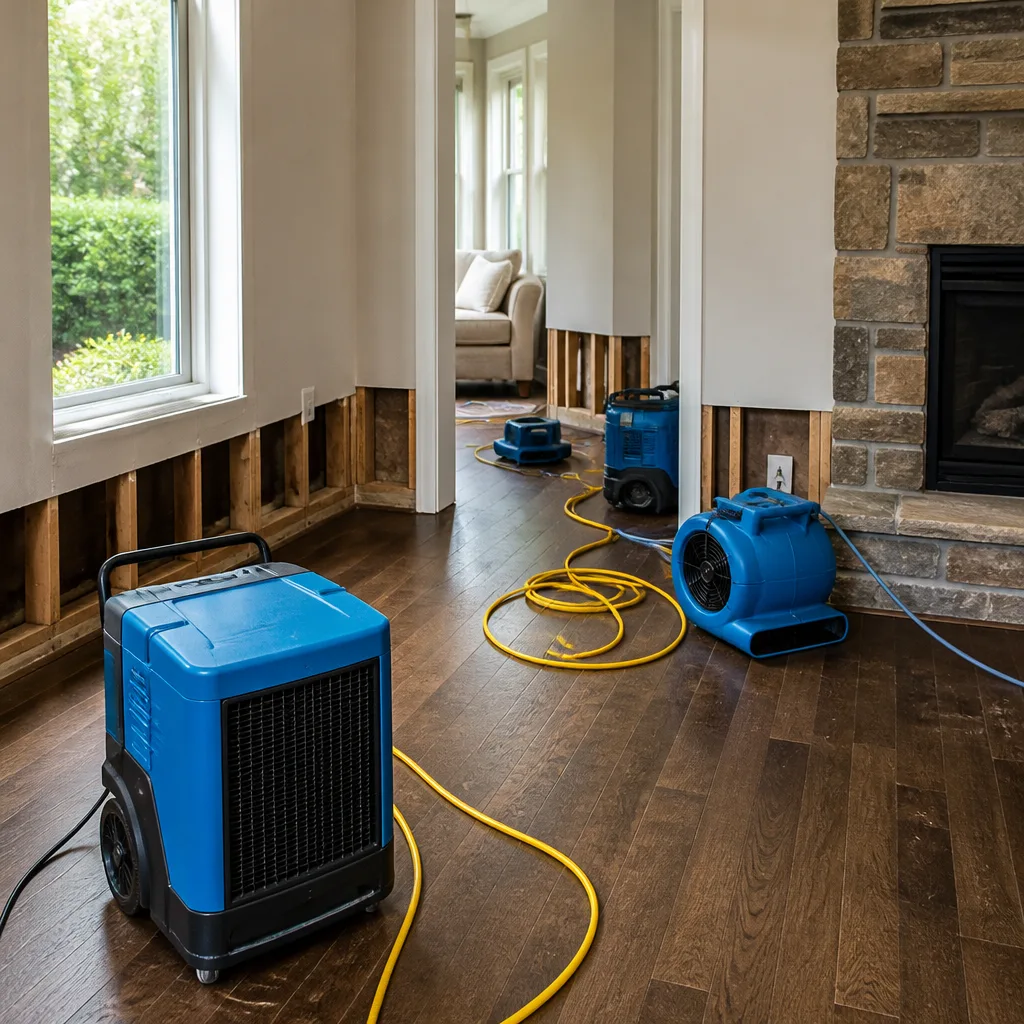 Water damage drying
 Fire & smoke cleanup
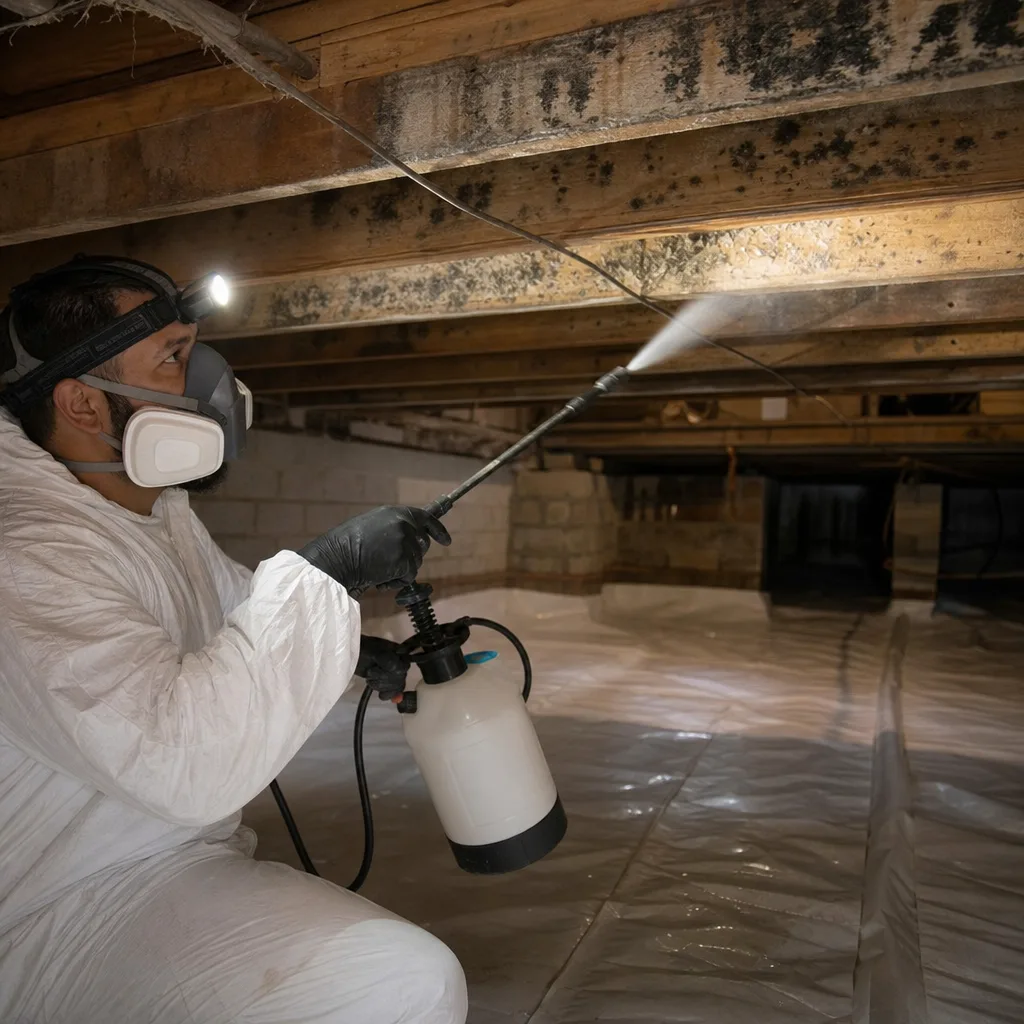
 Mold remediation
 Storm response
 Sewage cleanup
 Reconstruction
Free visual inspection and a written scope of work before any mitigation begins - photos, moisture readings, and drying logs go in your claim file
The scope we write is the scope we bill. Anything new gets shown to you, in writing, before we touch it.
Get your free estimateDamage Restoration Warning Signs: A Riverside Homeowner’s Reference Guide
Most Riverside homeowners only notice water damage when it becomes impossible to ignore: a brown stain spreading across the ceiling, baseboards curling away from the wall, or that musty smell in the hallway that will not go away no matter how many candles you burn. But here is the counterintuitive truth our technicians have observed across thousands of Riverside homes since 2006: by the time you see it or smell it, the water event that caused it has usually been active for 72 hours or more. This guide will teach you to read the earlier signals, the ones that appear in the first 24 to 72 hours, when a response is measured in hundreds of dollars and a few days of drying rather than thousands of dollars and full reconstruction.
Quick Answer
The earliest warning signs of water damage in a Riverside home typically appear within 24 hours of a leak or intrusion, and they show up as doors and windows that suddenly stick, GFCI outlets that trip without an obvious cause, and floors that flex slightly underfoot in spots where they used to feel solid. If you wait for visible staining, peeling paint, or a musty smell, the underlying moisture has already been working for 72 hours or more, which means the drying scope, and the cost, has usually doubled or tripled.
Restoration work we handle
Table of Contents
- First-Generation Signs: The 0 – 24 Hour Window
- Second-Generation Signs: 24 – 72 Hours After a Leak
- Third-Generation Signs: What a Musty Smell Is Actually Telling You
- Riverside-Specific Exterior Warning Signs
- The 15-Minute Room-by-Room Triage Check
- How Moisture Moves Through a Riverside Home
- Hidden Leak Sources Most Homeowners Miss
- Common Mistakes to Avoid
- When to Call a Professional
- Frequently Asked Questions
First-Generation Signs: The 0 – 24 Hour Window
The first 24 hours after water enters places it should not be are the cheapest and easiest window for intervention, but the signs are subtle enough that most people walk right past them. In our experience at Tidemark Water Damage Riverside home, the homeowners who catch damage in this window are usually the ones who know what “normal” feels like in their house and notice when something changes.
Doors and Windows That Suddenly Bind
Wood swells when it absorbs moisture. In Riverside’s dry climate, interior wood typically holds a low moisture content, so the change is noticeable when a door that has swung freely for years suddenly scrapes the jamb or a window requires real force to open. The key word is “suddenly.” Seasonal changes cause gradual shifts. A door that binds overnight after rain or a plumbing event is telling you that the framing around it has taken on water.
GFCI Outlets That Trip Without an Apparent Cause
Ground-fault circuit interrupter outlets are designed to trip when they detect current flowing somewhere it should not, and moisture is one of the most common triggers. If a GFCI in a kitchen, bathroom, garage, or exterior wall trips repeatedly and you cannot identify an appliance problem, moisture inside the wall cavity is a likely culprit. Riverside homes built in the 1970s and 1980s often have GFCI outlets on exterior walls where stucco cracks and sprinkler overspray can introduce water directly into the wall.
Subtle Floor Flex Underfoot
Subfloor materials, especially the oriented strand board and plywood common in Riverside tract construction, lose structural integrity when wet. The flex may be slight, a softness rather than a bounce, and it often shows up first around toilets, under refrigerators, near exterior doors, or anywhere a supply line runs beneath the floor. Walk your home in socks and pay attention to any spot that feels different than it did a week ago.
Why This Window Matters
At 0 to 24 hours, the water is still largely contained. The source may be active, but the affected area is typically small enough that targeted drying can resolve it before demolition becomes necessary. This is the difference between opening a small section of drywall to dry a cavity and replacing insulation, baseboards, and flooring across half a room.
Second-Generation Signs: 24 – 72 Hours After a Leak
By the second and third day, the water has saturated the initial materials and begun migrating into adjacent ones. The signs become more visible, but many homeowners still misread them.
Paint Bubbling or Blistering
When water penetrates drywall or plaster, it breaks the bond between the surface and the paint. Bubbles form, then blisters, then peeling. The shape matters: a round blister directly below a bathroom on an upper floor usually points to a supply line or drain leak. A blister that spreads in a horizontal line along a wall often tracks a roof leak traveling down a stud.
Baseboard Separation
Baseboards installed tight against flooring begin to gap when the underlying drywall swells. Look for caulk lines that have cracked, nail heads that are popping, or a visible gap between the baseboard and the wall or floor. In Riverside homes with slab foundations, baseboard separation near an exterior wall after heavy rain often signals water wicking up from saturated soil through the slab edge.
Condensation on Cold Surfaces in Normally Dry Rooms
Riverside’s climate is arid enough that interior condensation is unusual outside of bathrooms after hot showers. If you notice condensation on windows, mirrors, or metal fixtures in a room that is normally dry, especially a bedroom or hallway, the air is carrying excess moisture from somewhere. That “somewhere” is usually wet drywall, wet insulation, or standing water in a wall cavity or crawlspace.
Warping or Cupping of Flooring
Laminate and engineered wood are the first to respond, but even solid hardwood and tile show signs. Laminate edges begin to lift. Hardwood planks cup, with edges higher than centers. Tile may feel loose as the adhesive beneath it breaks down. Vinyl plank can bubble from below.
Third-Generation Signs: What a Musty Smell Is Actually Telling You
A musty odor is mold telling you it has been growing for at least 48 to 72 hours. By the time you can smell it, the remediation scope has typically already doubled from what it would have been at first detection. That is not a scare tactic; it is the arithmetic of microbial growth and moisture migration.
Visible Staining
Brown or yellow stains on ceilings and walls are mineral deposits left behind as water evaporates. The darker the stain, the longer the water has been present. A dark stain with a visible ring pattern indicates multiple wetting and drying cycles, which means the source has been intermittent for weeks or months.
Musty or Earthy Odor
The smell that most people describe as “musty” is the metabolic byproduct of mold colonies consuming organic material. It is a reliable signal that microbial growth is established, not just that moisture is present. In Riverside, where summer temperatures regularly exceed 90 degrees and interior humidity climbs in August and September, established mold colonies can expand rapidly.
Visible Mold Growth
Mold appears in many colors: black, green, white, gray, even pink or orange. It grows on any organic surface: drywall paper, wood, carpet backing, even dust. By the time you can see it, the colony has usually penetrated below the visible surface. Surface cleaning alone will not resolve it.
Why Third-Generation Signs Mean a Larger Scope
At 72 hours and beyond, the moisture has migrated beyond the initial point of intrusion. Drywall wicks water upward and outward. Insulation becomes saturated. Wood framing holds moisture. The drying footprint expands, and so does the amount of material that must be removed and replaced. This is where Water Damage Restoration in Riverside shifts from a drying project to a reconstruction project.
Riverside-Specific Exterior Warning Signs
Riverside’s climate is unique in Southern California: hot, dry summers; short but occasionally intense winter rains; and a hard freeze every few years. These conditions produce exterior warning signs that differ from coastal or mountain communities.
Stucco Efflorescence Patterns
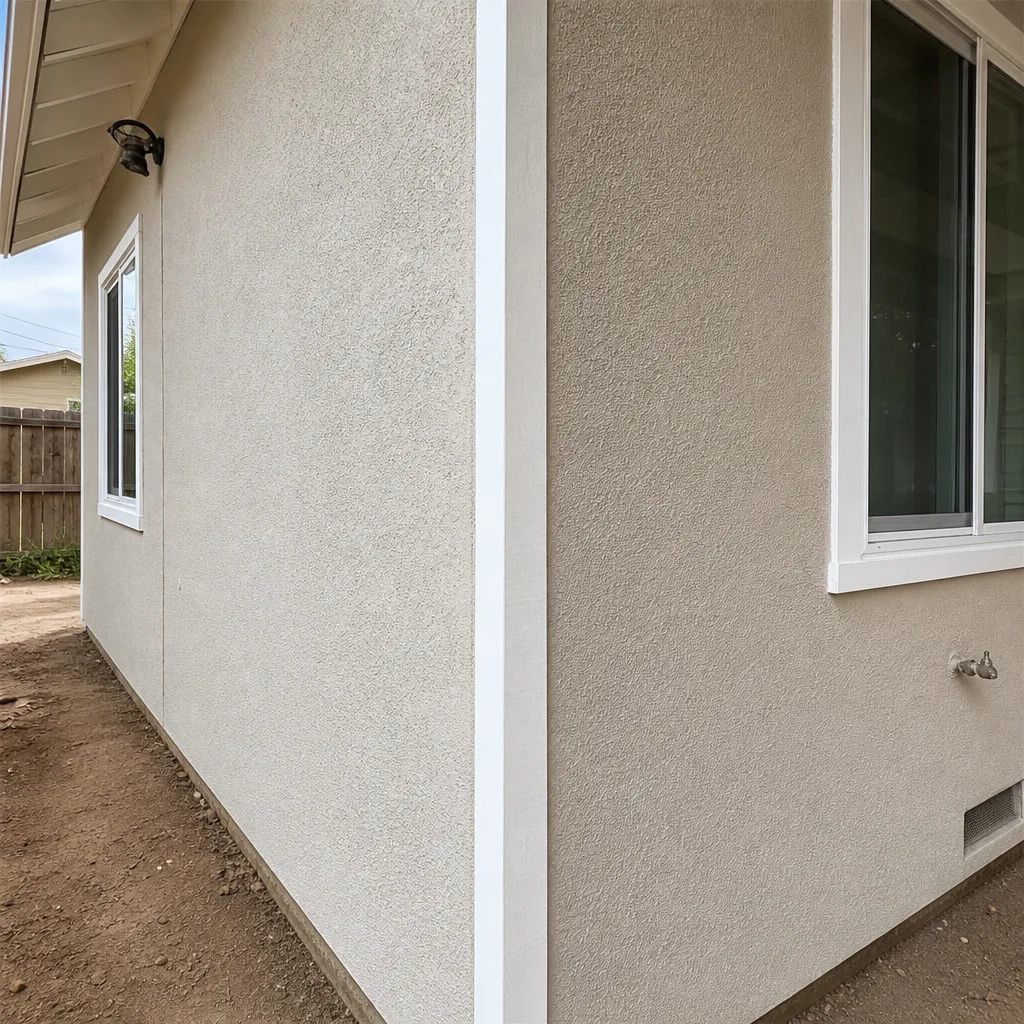
Efflorescence is the white, chalky deposit left on stucco when water moves through it and evaporates, carrying dissolved salts to the surface. A small amount near the base of a wall after rain is normal for Riverside homes. What is not normal is efflorescence appearing in vertical streaks, around window frames, below rooflines, or in patches in the middle of a wall. Those patterns map the path of water moving through the wall system.
Fascia Board Darkening
The fascia is the horizontal board running along the roofline behind the gutters. In Riverside’s hot sun, fascia boards typically dry to a uniform, weathered gray. Darkening, especially in streaks or localized patches, indicates water trapped behind the gutter or seeping around the roofline. Left unaddressed, this leads to rot in the fascia and the rafter tails behind it.
Penetration Staining on Rooflines
Satellite dishes, HVAC lines, vent pipes, and electrical masts all penetrate the roof. Each penetration is a sealed point that can fail. In Riverside, look for dark streaks running downward from any penetration on the roofline after rain. These streaks are algae or mineral staining from water tracking along the underside of the shingle or tile.
The 15-Minute Room-by-Room Triage Check
After any significant rain event in Riverside, or after any plumbing backup, overflow, or appliance malfunction, run through this 10-point check. It takes about 15 minutes and can move you from third-generation discovery to first-generation response.
- Kitchen: Check the cabinet base under the sink for dampness, warping, or a “sour” smell. Run a hand along the floor in front of the dishwasher and refrigerator.
- Bathrooms: Press gently on the floor around the toilet base. Check for caulk cracking where the tub or shower meets the floor. Look at the vanity base under the sink.
- Water heater area: If your water heater sits in a garage or interior closet, check the floor around it. Riverside homes often have water heaters in garages, and a slow leak can travel under the wall into the house.
- Laundry area: Check the washer supply lines and the drain standpipe. Feel the wall behind the washer for softness.
- Ceilings: Scan every ceiling, especially below bathrooms and along the underside of the roofline. Look for any change in color, texture, or shadow lines.
- Baseboards: In each room, glance at the baseboards where they meet the floor. Look for gaps, darkening, or caulk cracks that were not there before.
- Doors and windows: Open and close each exterior door and several windows. Note any that bind or require more force than usual.
- GFCI outlets: Press the test button on any GFCI outlet and reset it. If one will not reset, or trips immediately, investigate.
- Exterior walls: From outside, look at the stucco or siding on each wall. Check for efflorescence, dark streaks below the roofline, and any spots that remain damp hours after the rain has stopped.
- Nose check: Walk the house in the evening, when it is quiet and the HVAC has not been running. Note any room that smells different from the others, especially earthy or close smells.
How Moisture Moves Through a Riverside Home
Understanding how water travels helps you interpret the signs you are seeing. Moisture does not stay where it lands. It moves along predictable paths, following gravity, capillary action, and air pressure differences.
The Tide Mark Principle
A tide mark is the line water leaves on a wall as it rises through wicking and then recedes. It is the first thing our technicians look for on every job, because it shows the true height water reached, not just where it pooled. In a wall cavity, water wicks upward through drywall paper and insulation, often traveling several feet above the actual standing water level. This is why the water damage restoration industry standard is to dry past the visible damage, not just to the edge of it.
Capillary Action in Slab Foundations
Many Riverside homes sit on concrete slabs. Concrete is porous. When soil around the slab edge becomes saturated during winter rains, water can move upward through the slab by capillary action, dampening the underside of flooring without ever pooling visibly. This is why flooring near exterior walls can cup or warp weeks after rain, with no obvious leak source inside the house.
Air Pressure and Interior Drying
Riverside’s dry air is an advantage in restoration, pulling moisture out of wet materials faster than humid climates. But it is also a disadvantage when it comes to detection: surfaces can feel dry while the cavity behind them is still wet. Professional drying uses negative air pressure and specialized equipment from manufacturers like Dri-Eaz, B-Air, and Injectidry to pull moisture from wall cavities and beneath flooring, not just from the air.
Hidden Leak Sources Most Homeowners Miss
Some of the most extensive damage we see in Riverside homes comes from leaks that were never visible at the source.
Supply Line Pinhole Leaks
Copper supply lines can develop pinhole leaks from internal corrosion, especially in Riverside water with higher mineral content. A pinhole leak inside a wall can run for months, wetting the cavity, the framing, and the drywall from the inside out. The first visible sign is often a small, soft spot on the drywall or a mysteriously high water bill.
Air Conditioner Condensate Lines
Riverside summers mean air conditioners run constantly for four to five months. Condensate lines can clog, crack, or disconnect, dripping water into walls, ceilings, or attics. Check the area around your air handler and the path of the condensate line at least twice each summer.
Roof Flashing Around Chimneys and Vents
Riverside’s occasional heavy downpours put real stress on roof flashings that have been baking in 100-degree sun for most of the year. Thermal expansion and contraction breaks the seal, and water enters around chimneys, vents, and skylights. The leak may run along a rafter and show up on a ceiling far from the actual penetration.
Exterior Faucet Leaks Behind the Wall
A common Riverside failing is the hose bib or exterior faucet. When a faucet leaks at the pipe connection inside the wall, the water stays in the wall cavity until it finds an exit: a stucco crack, a baseboard gap, or the floor system below.
Common Mistakes to Avoid
- Waiting until you can see it. By the time water damage is visible on the surface, the moisture has usually been active inside the wall or floor for 72 hours or longer. Early response is measured in drying time; late response is measured in demolition.
- Treating the smell instead of the source. Air fresheners, candles, and ozone machines mask the odor but do nothing to the moisture or the mold colony producing it. The smell returns because the conditions have not changed.
- Drying with household fans only. Household fans move surface air. They do not pull moisture from wall cavities, under flooring, or from inside insulation. Professional drying equipment creates the pressure differentials required to dry hidden spaces.
- Patching over the stain. Painting over a water stain without addressing the moisture behind it is the most common, and most expensive, mistake we see in Riverside. The stain returns, and by then the framing behind it has been wet for weeks longer.
- Ignoring a door that suddenly sticks. Homeowners often attribute a binding door to “the house settling.” Settling is gradual, over years. A door that changes behavior in a day or a week is a moisture signal, not a structural one.
- Assuming homeowners insurance will not cover it. Many Riverside homeowners never call their insurer because they assume water damage is excluded. Sudden and accidental discharges, like a burst supply line, are typically covered. The claims process works best with documentation from the start.
When to Call a Professional
Call a professional when any of these are true: you can smell mustiness but cannot find the source; a door or window has suddenly begun binding; a GFCI outlet trips repeatedly; you see staining on a ceiling below a bathroom or the roof; or you have had any water event, including a supply line leak, toilet overflow, or rainwater intrusion, that wet drywall, flooring, or insulation. Moisture inside a wall or floor system requires professional drying equipment and moisture metering to verify the cavity is actually dry. Mold Remediation in Riverside requires containment and source removal, not just surface cleaning. Fire Damage Restoration in Riverside shares the same principle: the visible damage is never the full extent of the problem. Tidemark Water Damage Riverside offers free estimates in Riverside. Call (341) 212-7342 and a live person answers, day or night.
Frequently Asked Questions
Visible signs of water damage, like staining and baseboard separation, typically appear 24 to 72 hours after a leak begins, depending on the material and the volume of water. Subtle first-generation signs, like binding doors and GFCI trips, can appear within hours.
A musty smell means mold has been actively growing for at least 48 to 72 hours and is producing metabolic byproducts in the air. It is a reliable indicator of an established moisture problem, not an early warning sign.
Yes. Plumbing leaks, air conditioner condensate line failures, water heater leaks, and appliance hose failures are common summer sources of water damage in Riverside. The warm, dry air can make surfaces feel dry while the cavity behind them remains wet.
In Riverside, water damage restoration typically runs from $1,200 for a contained, quick-response drying to $8,000 or more for larger losses involving multiple rooms, mold remediation, and reconstruction. The single biggest cost factor is response time, which is why every Tidemark job starts with a written price before any work begins, so you know the number before we touch anything. If you’re comparing options, our How to Hire a Damage Restoration Contractor in Riverside: A Step-by-Step Guide can help.
Sudden and accidental water discharges, like a burst supply line or an overflowing appliance, are typically covered by standard homeowners policies. Gradual leaks and groundwater intrusion usually are not. Photo documentation and a written scope from a restoration company strengthen the claim, and our technicians coordinate directly with adjusters. Browse more guides & resources for additional homeowner tips.
Tidemark Water Damage Riverside answers calls with a live person 24 hours a day, and our technicians are dispatched the same day for active water events. In Riverside’s hot climate, every hour of delay lets moisture wick further into framing and flooring. Call (341) 212-7342 and we will give you an honest assessment over the phone.
The Bottom Line
Riverside homeowners who learn to read first-generation warning signs, the binding doors, the tripping GFCI outlets, the subtle floor flex, catch water damage when the fix is measured in days of drying and a few hundred dollars. Those who wait for the stain or the smell are usually looking at a restoration scope that has doubled or tripled, with demolition, mold remediation, and reconstruction in the picture. The sequence matters: learn the signs, run the triage check after every rain and plumbing event, and call early. That call is free, and it is answered by a person.
Written by Rick Sumner, Owner at Tidemark Water Damage Riverside, serving Riverside since 2006.
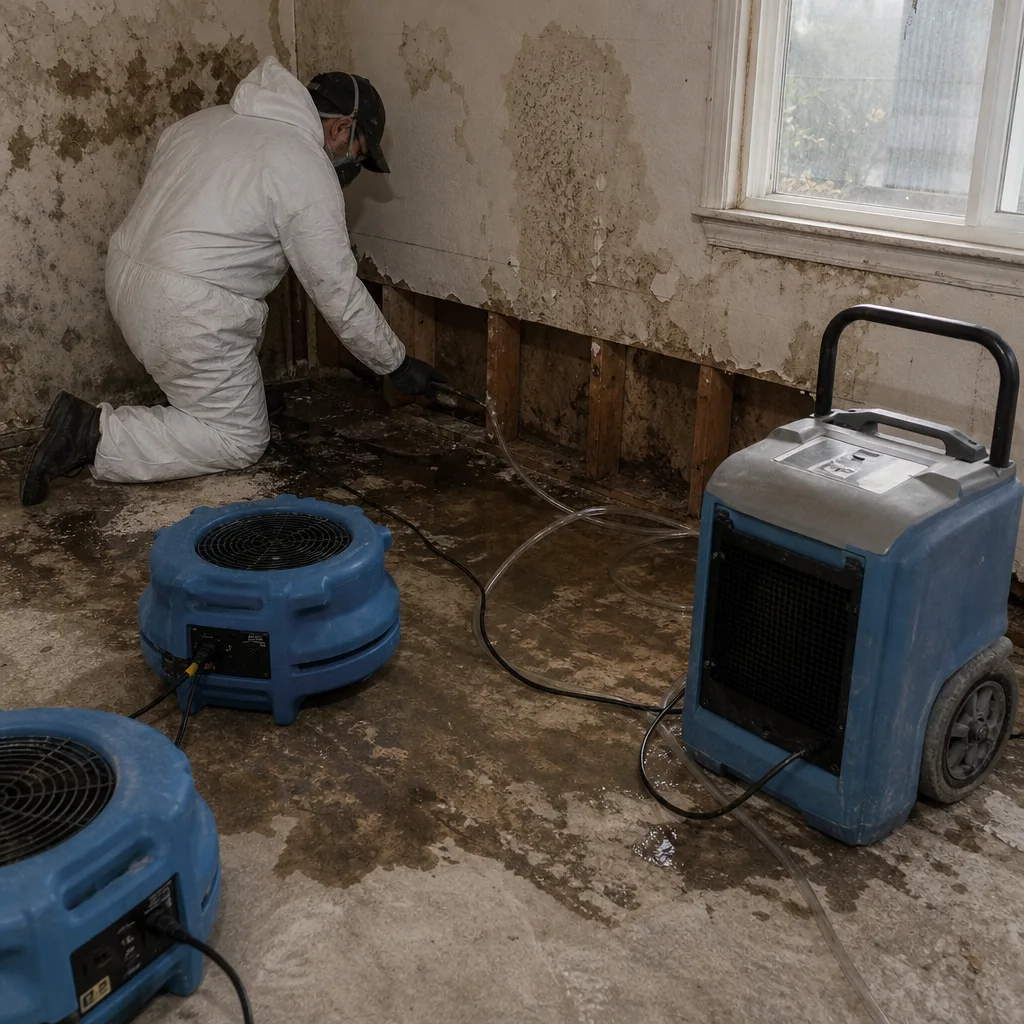
See the difference
 Before
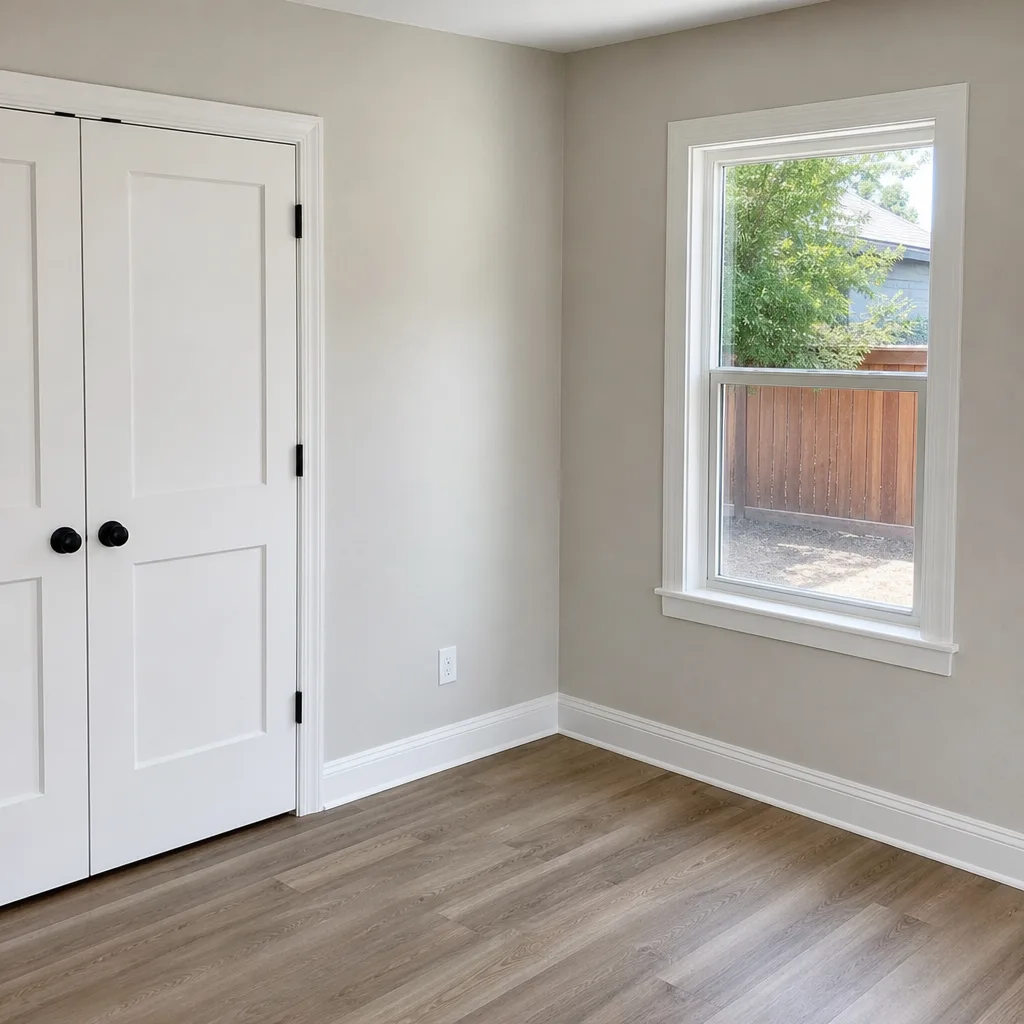 After
After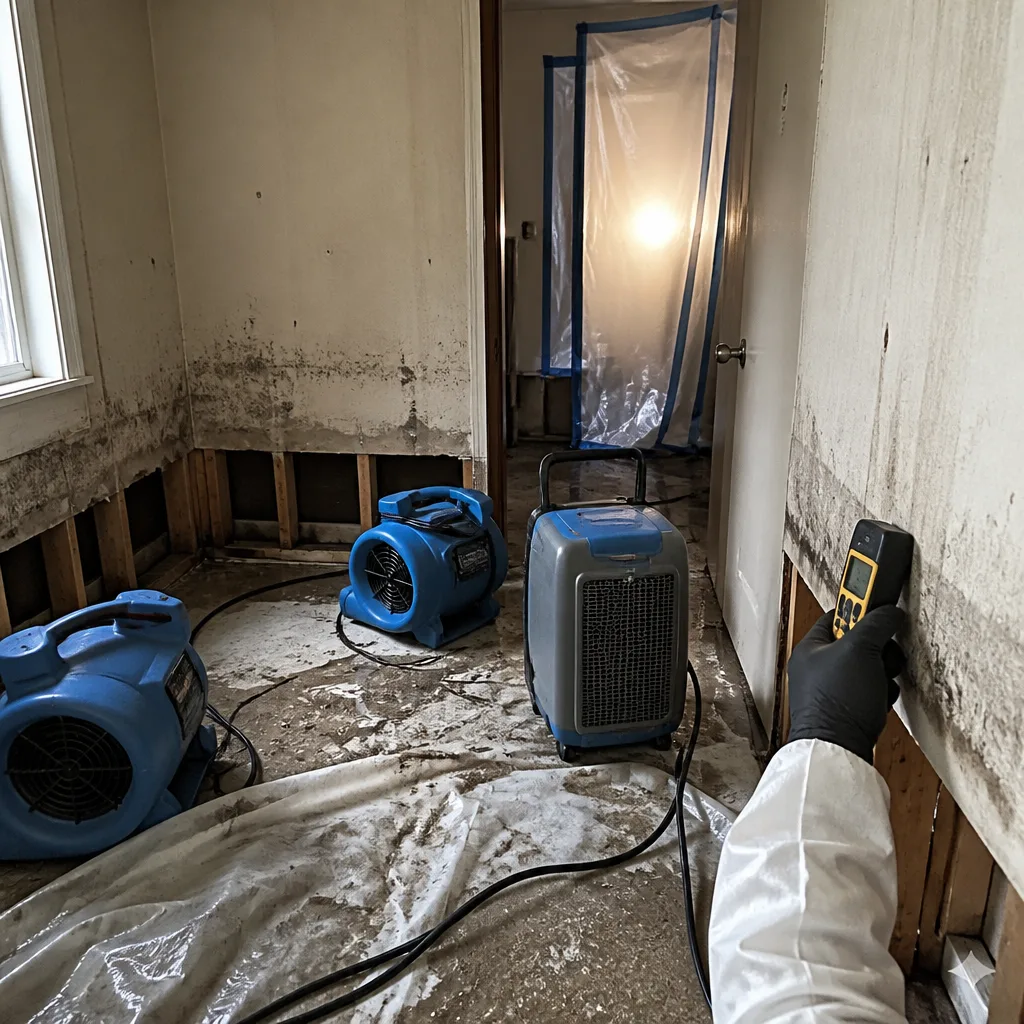 Before
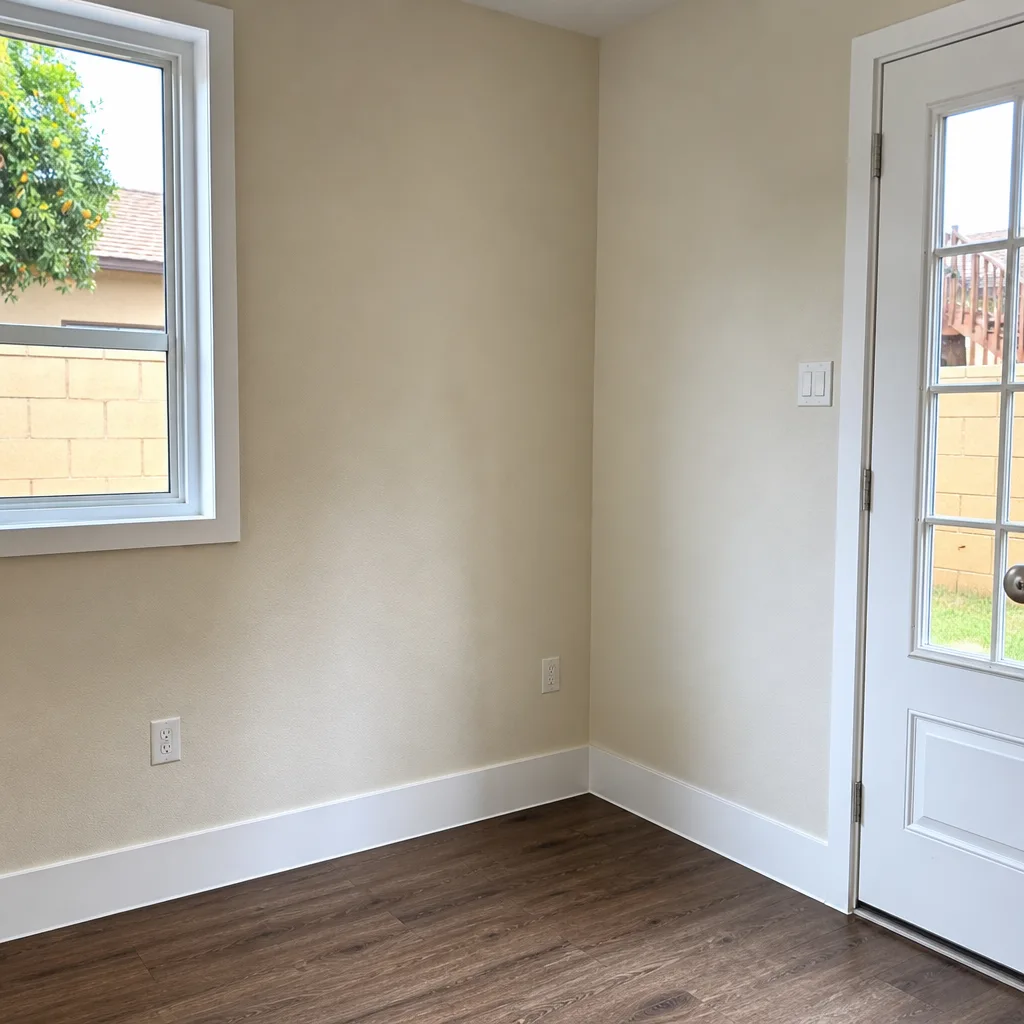 After
After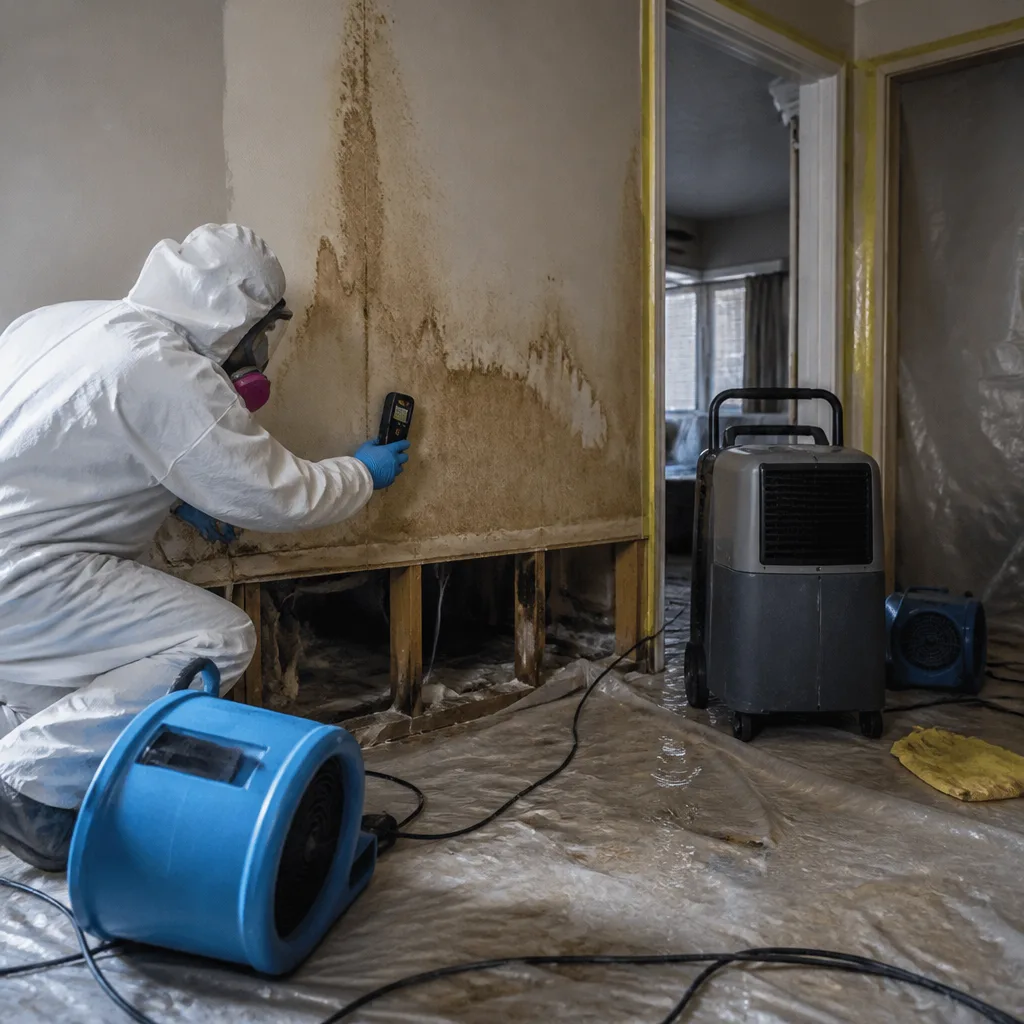 Before
 After
After